Have you ever wondered why Chhath Puja is celebrated without the elaborate idol worship seen in many other Hindu festivals? There are no traditional temple rituals at the centre of this festival. Instead, devotees stand in rivers, ponds and other water bodies, offering prayers directly to the setting and rising Sun. This centuries-old tradition carries a beautiful message about the relationship between human beings, nature and faith. Chhath Puja reminds us that the forces sustaining our lives can also become the centre of our deepest devotion.
Why Is There No Idol in Chhath Puja?
![Chhath Puja]()
Chhath Puja
Image credit : ChatGPT (AI)
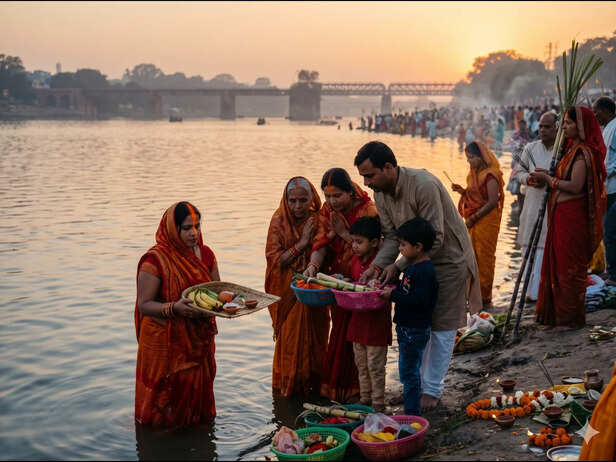
Many Hindu festivals involve decorating idols, visiting temples and performing elaborate rituals. Chhath Puja follows a different tradition. Here, the Sun itself becomes the centre of worship. Devotees gather near rivers, ponds and other water bodies to offer Arghya to the setting and rising Sun. This practice is rooted in the belief that the Sun is a visible source of life and energy. Its light supports plants, agriculture and countless natural processes that sustain living beings. Rather than focusing on a physical representation of divinity, devotees express gratitude directly to nature.
The Sun Is Worshipped as a Life-Giver
![Diwali arrives with glowing diyas, prayers to Goddess Lakshmi and hopes for prosperity.]()
Diwali arrives with glowing diyas, prayers to Goddess Lakshmi and hopes for prosperity.
Image credit : CHATGPT(AI)
The Sun holds a special place in Hindu traditions because it is associated with health, vitality and life. Without sunlight, plants could not produce food through photosynthesis, and many natural cycles essential to life would be disrupted. During Chhath Puja, devotees express gratitude for this life-giving energy through prayers and offerings. The rising Sun represents renewal and hope, while the setting Sun receives equal respect. This tradition reminds people that nature provides the essentials of life, even when its contributions often go unnoticed.
Why Do Devotees Stand in Water?
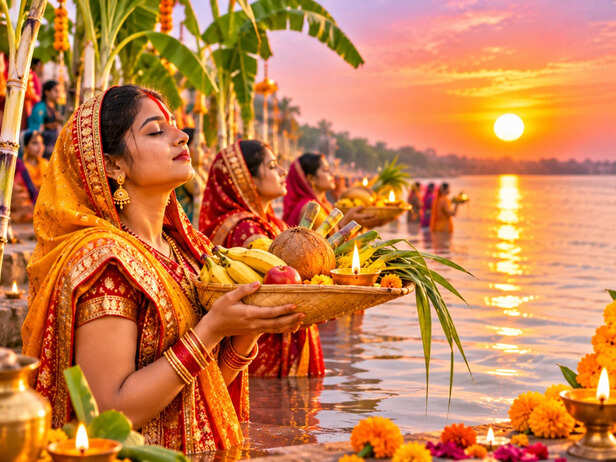
Standing in water while offering Arghya is one of the most recognisable Chhath Puja rituals. Devotees enter rivers, ponds or other water bodies and offer water towards the Sun using traditional vessels. Water and sunlight are both essential to life, making their presence together especially meaningful during the festival. The ritual also reflects gratitude towards rivers and other natural water sources. For many families, reaching the same riverbank every year becomes an emotional tradition, connecting generations through shared faith and devotion.
Why Are Both Sunsets and Sunrises Worshipped?
Most people associate sunlight with the beginning of the day, but Chhath Puja gives equal importance to the setting Sun. On the third day, devotees offer Sandhya Arghya to the setting Sun. The following morning, they perform Usha Arghya to the rising Sun. This practice reflects gratitude for both the day that has passed and the new day that begins. It also carries a thoughtful message: even as one phase of life ends, another can begin with fresh hope.
A Festival Where Everyone Prays Together
One of the beautiful aspects of Chhath Puja is the sense of collective participation. People from different social and economic backgrounds gather at the same ghats to offer prayers. The rituals are traditionally performed by families and devotees without requiring a priest to lead every offering. Preparation, fasting and devotion take centre stage. The festival also brings communities together as people clean ghats, arrange offerings and help one another. Its shared atmosphere makes the celebration deeply personal as well as collective.
What Is the Connection Between Chhathi Maiya and the Sun?
Although Sun worship is central to Chhath, devotees also pray to Chhathi Maiya, who is traditionally associated with the protection of children and family welfare. In Hindu traditions, Chhathi Maiya is often connected with Shashthi Devi. The festival therefore brings together devotion to the Sun and prayers for the well-being of loved ones. The rituals and beliefs surrounding Chhathi Maiya have their own rich cultural traditions, which continue to be passed down through generations.
The Deeper Message Behind Chhath Puja
Chhath Puja is more than a festival of fasting and rituals. Its traditions encourage people to recognise their connection with the natural world. The Sun provides energy, water sustains life, and fertile land helps grow the food we eat. By offering prayers near rivers and facing the Sun, devotees express gratitude for these everyday blessings. The festival also teaches patience, discipline and community participation. Its message is simple: faith is not limited to temples or rituals; it can also be expressed through respect for the world that gives us life.
Unlock insightful tips and inspiration on personal growth, productivity, and well-being. Stay motivated and updated with the latest at
My Life XP.