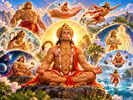
कर्पूरगौरं करुणावतारं संसारसारं भुजगेन्द्रहारम् ।
सदावसन्तं हृदयारविन्दे भवं भवानीसहितं नमामि ॥
Their bodies are covered in ash, their hands hold powerful tridents, and their loud chants of “Har Har Mahadev” echo through the Kumbh Mela. Naga Sadhus often appear mysterious and intimidating, but their story goes far beyond their striking appearance. These Hindu ascetics follow a life of renunciation, spiritual discipline, and devotion to Lord Shiva. Some also belong to ancient warrior traditions that helped protect religious communities and pilgrimage centres. But what truly makes them Shiva’s warriors? The answer lies in their history, their fearless way of life, and the battles they believe every human must fight within.
They Follow Shiva’s Fierce Form
![Shiva and the Naga Sadhu Procession]()
Shiva and the Naga Sadhu Procession
Image credit : chatgpt(ai)
Naga Sadhus are closely associated with Lord Shiva’s Rudra form, which represents fierce energy and the destruction of evil. Like Shiva, they embrace a life detached from material comforts and worldly desires. The ash covering their bodies reminds them of mortality and the temporary nature of physical life. Their matted hair and simple possessions also reflect their rejection of conventional appearances and luxury. For them, following Shiva means more than worshipping a deity. It means learning to control desires, overcome fear, and remain focused on spiritual growth even when life becomes difficult.
Their History Includes Warrior Traditions
![The Warrior Heritage of Naga Sadhus]()
The Warrior Heritage of Naga Sadhus
Image credit : chatgpt(ai)
Naga Sadhus are not only spiritual seekers; some historical ascetic groups also developed martial traditions. These groups were associated with protecting religious institutions, pilgrimage routes, and their communities during periods of conflict. Adi Shankaracharya is traditionally credited with organising Hindu monastic orders, although the precise origins and development of the warrior akharas are more complex than a single historical account suggests. Over time, certain ascetic groups became known for combining religious discipline with physical training. This history helps explain why Naga Sadhus are called Shiva’s warriors: their tradition has included both spiritual devotion and, in some periods, the defence of religious communities.
The Trishul Has a Deeper Meaning
The trishul, or trident, is one of the most recognisable symbols associated with Lord Shiva. When Naga Sadhus carry it, the weapon connects their identity with Shiva’s fierce and protective form. In Hindu traditions, the trident is interpreted in different ways, including as a symbol of creation, preservation, and destruction. Some Naga ascetics have also practised martial skills, using weapons as part of their warrior heritage. However, the trishul is not merely a tool of combat. It also represents discipline, strength, and the determination to confront wrongdoing. Its deeper message is that true power requires control, responsibility, and spiritual purpose.
They Train Themselves to Face Fear
One of the most striking aspects of Naga Sadhu life is their willingness to leave behind ordinary comforts. Many renounce family life, personal possessions, and familiar social identities to pursue spiritual goals. Their association with cremation grounds and sacred ash also connects with Hindu reflections on death and impermanence. Such practices are not simply meant to shock outsiders; they can express the belief that fear and attachment prevent spiritual freedom. Not every Naga Sadhu follows the same practices, but their tradition places strong value on endurance, discipline, and detachment. Their fearlessness is therefore linked to a way of life that constantly challenges their dependence on comfort.
Akharas Give Them Discipline
Naga Sadhus belong to religious organisations known as akharas, which provide structure for spiritual practice and community life. These organisations have their own traditions, leadership systems, gurus, and rules. Juna Akhara, Niranjani Akhara, and Mahanirvani Akhara are among the well-known names associated with the ascetic tradition. Some akharas also preserve martial customs rooted in their history. Their organised structure helps explain why Naga Sadhus are often compared with warrior communities rather than seen only as solitary monks. Yet their daily lives also centre on religious learning, meditation, rituals, and devotion to their chosen spiritual path.
Their Greatest Battle Is Within
For Naga Sadhus, spiritual strength involves fighting an enemy that cannot be defeated with a sword: the ego. Their path asks them to confront greed, pride, anger, and attachment rather than allowing these emotions to control their lives. Initiation into certain renunciant traditions may include symbolic death rites, representing the end of an earlier identity and the beginning of a life dedicated to spiritual discipline. The details differ across traditions, but the underlying idea is renunciation. Their warrior identity therefore has an inward meaning as well. The hardest victory, according to this spiritual outlook, is learning to master oneself.
Why They Chant “Har Har Mahadev”
During major religious gatherings such as the Kumbh Mela, Naga Sadhus often draw attention through their ash-covered bodies, traditional weapons, and powerful chants of “Har Har Mahadev.” The phrase is an expression of devotion to Lord Shiva and a declaration of shared faith. Their processions and ritual bathing ceremonies make their presence especially visible during these events. For devotees, the sight of Naga Sadhus can represent renunciation, courage, and a living connection with an old religious tradition. Their chants also carry a message beyond the gathering: strength is not only about confronting external challenges, but also about living with discipline and purpose.
The Real Meaning of Shiva’s Warriors
Naga Sadhus are called Shiva’s warriors because their tradition brings together devotion, renunciation, discipline, and, in some historical periods, martial service. Their ash, tridents, akharas, and fearless appearance each carry layers of religious and cultural meaning. Yet their identity cannot be understood through weapons and dramatic processions alone. Their spiritual path asks them to turn away from ego, question material attachment, and develop control over their own minds. That is the deeper lesson behind their warrior image. The greatest warrior is not simply the person who defeats an enemy, but the one who learns to conquer fear, pride, and desire within themselves.
Unlock insightful tips and inspiration on personal growth, productivity, and well-being. Stay motivated and updated with the latest at
My Life XP.