
Why Do Seven Priests Perform Aarti at Kashi Vishwanath?
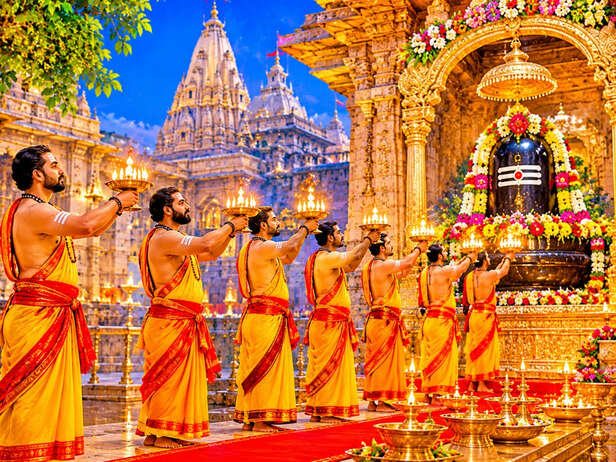
Every evening, as the sound of temple bells fills the streets of Kashi, seven priests gather before Baba Vishwanath to perform a special aarti. But what makes this ritual different from an ordinary evening prayer? According to a beautiful traditional belief, these seven priests represent seven great sages who come to worship Lord Shiva themselves. Even more fascinating is the belief that their seven lineages represent the origins of countless gotras. This makes the Saptarishi Aarti much more than a temple ritual. It is seen as a prayer offered on behalf of the entire creation.
Why Is It Called Saptarishi Aarti?
The word Saptarishi means seven great sages, who hold an important place in Hindu tradition. At Kashi Vishwanath Temple, the evening Saptarishi Aarti is performed by seven priests together. According to the traditional belief associated with this ritual, the seven sages themselves come to worship Baba Vishwanath every evening. The priests represent these revered figures through their collective worship. This connection between the sages and the daily ritual gives the aarti its distinctive spiritual meaning.
The Seven Sages Behind the Ritual
The seven sages associated with this tradition are Kratu, Pulaha, Pulastya, Atri, Angiras, Vashishtha and Bhrigu. These ancient rishis are remembered in Hindu scriptures for their wisdom, spiritual knowledge and contributions to sacred traditions. Their names also appear in different accounts of the Saptarishi tradition. Their association with the Kashi Vishwanath Aarti represents the continued connection between ancient Vedic wisdom and everyday worship. Through this ritual, devotees remember the sages while offering prayers to Lord Shiva.
Why Do Seven Priests Perform the Aarti?
The aarti is performed by seven priests representing different gotras. In Hindu tradition, gotras are ancestral lineages traditionally traced to ancient sages. According to the belief associated with the Saptarishi Aarti, the seven priests symbolically represent these ancient lineages. Their presence together creates a sense of collective worship rather than an individual offering. Each priest performs the ritual as part of a coordinated ceremony, making the sevenfold representation central to the spiritual meaning of this aarti.
The Connection Between Seven Sages and Gotras
The connection between the seven sages and gotras is rooted in ancient Hindu genealogical traditions. Several Brahmin lineages traditionally trace their ancestry to revered rishis, while different communities follow their own gotra traditions. The Saptarishi Aarti draws on this idea of ancestral connection. According to its spiritual interpretation, the seven priests represent more than seven individuals or families. They symbolically bring together the wider human lineage and its ancient spiritual roots before Baba Vishwanath.
A Prayer Representing All Creation
The most beautiful meaning of the Saptarishi Aarti lies in its collective nature. The seven priests do not simply perform the ritual as separate individuals. Their combined presence represents different ancestral lineages coming together in devotion. According to the traditional interpretation, the aarti becomes a symbolic prayer from the entire creation to Lord Shiva. It reminds devotees that worship can go beyond personal wishes and become an expression of gratitude, unity and reverence for the divine.
The Power of Vedic Mantras and Sacred Rituals
The Saptarishi Aarti follows a traditional method of worship involving sacred lamps, coordinated movements and the chanting of mantras. The priests perform their offerings together, creating an atmosphere filled with the sound of bells and devotional chants. For devotees, witnessing the ritual is an opportunity to experience the spiritual atmosphere of Kashi. The combination of Vedic recitation and traditional worship also connects the present-day temple ceremony with the long-standing religious heritage of the city.
When Can You Witness Saptarishi Aarti?
The Saptarishi Aarti is traditionally held every evening at Kashi Vishwanath Temple. The commonly quoted schedule is between 7:00 PM and 8:15 PM, although timings may change depending on the temple calendar, season and special occasions. Devotees visiting Kashi can witness this special form of Shiva worship and experience its atmosphere of devotion. It is advisable to check the official temple schedule before visiting, particularly during festivals and busy pilgrimage periods.
Unlock insightful tips and inspiration on personal growth, productivity, and well-being. Stay motivated and updated with the latest at My Life XP.