
Why Does Chhath Puja Begin With Just One Lauki?
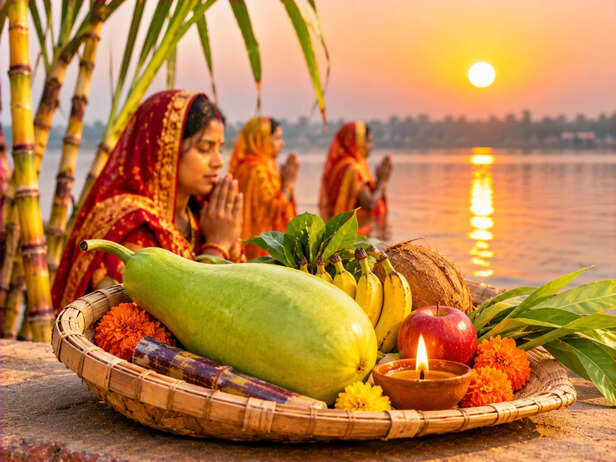
शीतली बियरिया शीतल दूजे पनिया
कब देब देवता तू आके दर्शनिया
हां .! शीतली बियरिया शीतल दूजे पनिया
कब देब देवता तू आके दर्शनिया
Chhath Puja does not begin with an elaborate offering or a grand prayer. It begins with something as simple as a bottle gourd. On the first day, known as Nahay Khay, devotees prepare a traditional meal of lauki-bhaat, also called kaddu-bhaat in parts of Bihar. But why does this humble vegetable get the first place in a festival known for its strict rituals and long hours of fasting? The answer lies in the tradition, the food and the preparation for the days ahead.
Chhath Begins With Nahay Khay
The first day of Chhath Puja is called Nahay Khay, which literally means bathing and eating. Devotees, especially the women observing the fast known as parvaitin, take an early morning bath, often in a river or pond. The house is cleaned thoroughly, and the kitchen is prepared for the festival. This is not an ordinary day of cooking. Every step is carried out with care because Nahay Khay marks the beginning of a period of discipline, cleanliness and devotion.
Why Lauki Gets the First Place
One of the most recognisable foods of Nahay Khay is lauki, or bottle gourd. In parts of Bihar, it is commonly called kaddu, which can be confusing for people unfamiliar with the regional name. The vegetable is valued for its high water content and light texture. Since the days ahead involve strict fasting, devotees traditionally begin with a simple, familiar meal. The choice of lauki is part of this food tradition, combining seasonal ingredients with the idea of eating lightly before the more demanding rituals.
The Traditional Lauki-Bhaat Meal
The Nahay Khay meal is prepared with a few basic ingredients: lauki, arwa rice, chana dal, sendha namak and ghee. It is traditionally cooked without onion and garlic. In many households, the food is prepared on a मिट्टी ka chulha, or earthen stove, following family customs. The simplicity of the ingredients is part of the tradition. There are no elaborate spices or rich preparations. Instead, the meal focuses on familiar foods cooked carefully and served with devotion.
The First Meal Is Offered to Chhathi Maiya
There is a particular order to eating on Nahay Khay. The food is first offered to Chhathi Maiya as bhog. Only after the offering does the parvaitin eat the meal, followed by the rest of the family. This order gives the meal its religious meaning. It is not simply about preparing food for the household. It is about beginning the festival by placing devotion before personal needs. Even the first bite becomes part of the family's prayer and preparation for Chhath.
How This Meal Prepares the Body
Bottle gourd contains a high proportion of water and is commonly used in light home-cooked meals. Rice and dal provide carbohydrates and protein, while the preparation avoids heavy ingredients. This is one reason the traditional meal feels suitable before the fasting days. However, eating lauki-bhaat does not medically prepare the body for a long fast or remove the risks of dehydration. People with health concerns should take medical advice before observing a strict fast, particularly one that involves going without water.
Why Nahay Khay Is More Than a Food Ritual
In Mithila, Nahay Khay is also known by the name Arwa Arwain. The tradition brings the household together before the main days of Chhath begin. Someone cleans the kitchen, someone arranges the ingredients, and others help prepare the meal. The parvaitin follows the ritual with special care, while family members support the preparations. These small acts make the festival a shared experience. The first meal becomes a reminder that Chhath is not observed through prayer alone, but also through family participation and discipline.
The First Meal Marks the Start of a Sacred Journey
After Nahay Khay, the festival moves towards Kharna, followed by the evening and morning offerings to the setting and rising Sun. Each day has its own rituals and responsibilities. But the journey begins with that first plate of lauki-bhaat. There is something meaningful about starting a demanding festival with a simple meal prepared at home and offered first to the deity. It connects food with faith and everyday family life with a shared religious tradition.
Unlock insightful tips and inspiration on personal growth, productivity, and well-being. Stay motivated and updated with the latest at My Life XP.