
Why Does Lord Murugan Fight Surapadman for Six Days?
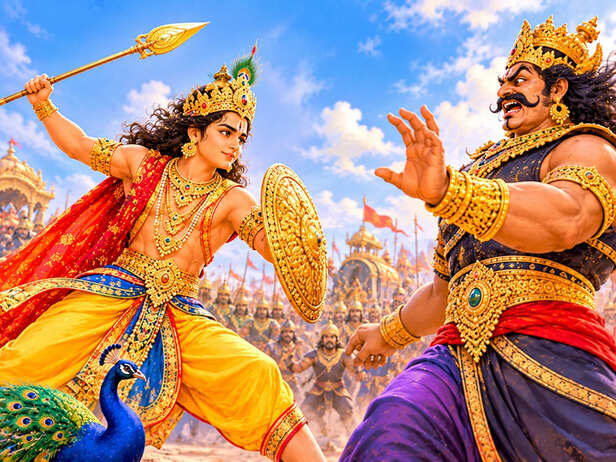
What if a festival lasting six days was actually a celebration of one of the greatest battles between good and evil in Hindu mythology? Skanda Sashti, also known as Kanda Sashti, commemorates Lord Murugan's legendary victory over the demon Surapadman. Devotees observe fasting, offer prayers and remember the battle that ended with Soorasamharam. But why does this festival last six days, why is the sixth day so important, and why does Thiruchendur Temple hold a special place in its celebrations? The answers lie in an ancient story of divine courage and the victory of righteousness.
Why Is Skanda Sashti Celebrated?
Skanda Sashti, also called Kanda Sashti, is one of the most important festivals dedicated to Lord Murugan, the son of Lord Shiva and Goddess Parvati. It is celebrated mainly by Tamil Hindus with prayers, fasting and special temple rituals. The festival commemorates Lord Murugan's victory over the powerful demon Surapadman. Devotees believe that his victory represents the triumph of righteousness over evil. The celebration lasts six days, with the final day known as Soorasamharam, when the legendary battle reaches its conclusion.
Who Was the Demon Surapadman?
According to Hindu mythology, Surapadman was a powerful demon who gained immense strength through his penance and began troubling the gods. His growing power created fear in the heavenly world, and the gods struggled to stop him. As his arrogance increased, he challenged divine authority and disturbed the balance of the universe. Unable to defeat him, the gods turned to Lord Shiva for help. This eventually led to the birth and arrival of Lord Murugan, who was destined to confront Surapadman and end his tyranny.
How Did Lord Murugan Prepare for Battle?
According to popular tradition, Lord Murugan received the divine Vel, a powerful spear, from Goddess Parvati before going into battle. The Vel represents divine knowledge, courage and the power to destroy evil. With this celestial weapon, Lord Murugan prepared to face Surapadman and his army. The battle was not simply a fight between two powerful forces; it represented the struggle to restore peace and protect the gods. This is why the Vel remains one of the most important symbols associated with Lord Murugan's worship.
Why Does the Battle Last Six Days?
The six days of Skanda Sashti are connected with the legendary battle between Lord Murugan and Surapadman. According to the traditional account, the conflict continued over several days before reaching its final stage. Devotees observe a six-day fast to remember Lord Murugan's courage and determination. Each day carries religious significance, as worshippers offer prayers and remember his fight against evil. The sixth day becomes the most important because it marks Soorasamharam, the moment when Lord Murugan finally defeats Surapadman.
What Happens on Soorasamharam Day?
Soorasamharam is the final and most important day of Skanda Sashti. According to the legend, Lord Murugan defeats Surapadman with his divine Vel, bringing an end to his tyranny. In popular versions of the story, Surapadman transforms into a mango tree to escape defeat, but Lord Murugan splits it with his Vel. The two parts are believed to have become his peacock and rooster, which became associated with him as his mount and emblem. This event symbolises the victory of divine power over evil.
Why Is Thiruchendur Temple So Famous?
The Thiruchendur Murugan Temple in Tamil Nadu is especially famous for its grand Skanda Sashti celebrations. Thousands of devotees visit the temple during the six-day festival to offer prayers and witness the traditional Soorasamharam ceremony. The temple's association with Lord Murugan's victory over Surapadman makes it particularly significant during this period. The celebrations include special worship, devotional activities and religious ceremonies. For many devotees, witnessing Soorasamharam at Thiruchendur is an important spiritual experience connected with their faith in Lord Murugan.
Why Is Thiru Kalyanam Celebrated After Soorasamharam?
The celebrations do not end with Surapadman's defeat. The following day, devotees observe Thiru Kalyanam, the divine wedding ceremony of Lord Murugan and Goddess Devasena. This ceremony marks the joyful conclusion of the six-day festivities. Special prayers and wedding rituals are performed in temples, and devotees seek blessings for happiness, harmony and prosperity. The transition from the fierce battle of Soorasamharam to the joyful wedding ceremony gives the festival a meaningful conclusion, connecting the victory over evil with peace and divine blessings.
Unlock insightful tips and inspiration on personal growth, productivity, and well-being. Stay motivated and updated with the latest at My Life XP.