
Why Does Maa Durga Change Her Vahan Every Navratri?
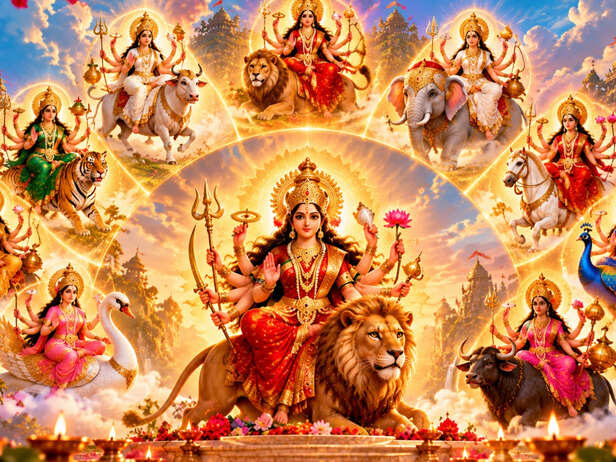
Shardiya Navratri 2026 has begun, but this year, devotees are looking at more than just the nine nights of worship. According to traditional beliefs, Maa Durga’s arrival and departure vehicles carry symbolic meanings, and in 2026, Mata Rani is believed to arrive on an elephant and depart on a rooster or cock. One is traditionally linked with rain, prosperity and abundance, while the other is associated with unrest and challenges. But what determines Maa Durga’s vahan, and why does the vehicle matter so much?
Maa Durga Arrives on an Elephant
According to traditional Navratri beliefs, Maa Durga will arrive on an elephant in 2026. The elephant is considered an auspicious vahan and is traditionally associated with rain, fertility, stability and prosperity. For devotees, this makes the beginning of Shardiya Navratri 2026 especially significant. The symbolism also connects the festival with hopes for agricultural growth, abundance and peace. However, these are traditional astrological interpretations, not scientific predictions. The elephant's meaning comes from longstanding Hindu beliefs surrounding Maa Durga vahan and the symbolism attached to each vehicle.
Why the Elephant Is Auspicious
The elephant has long held an important place in Indian culture and religious symbolism. Its immense strength, calm presence and connection with water and rain have made it a symbol of abundance in many traditions. During Navratri, an elephant arrival is therefore traditionally viewed as a positive sign. It is believed to represent better rainfall, good crops and greater prosperity. For devotees, the symbolism goes beyond material wealth. It can also represent stability and collective well-being. This is why the elephant vahan of Maa Durga attracts so much attention whenever it appears in Navratri traditions.
The Rooster Departure Is Different
The story takes an unexpected turn when Maa Durga's departure vahan is considered. In Navratri 2026, Mata Rani is traditionally said to depart on a rooster, also called Charanayudh. Unlike the elephant, this vehicle is generally interpreted as a less favourable sign in traditional astrology. It has been associated with unrest, disagreements and anxiety. This does not mean that difficulties are certain to occur. Rather, the belief encourages people to remain alert, patient and united. Understanding this distinction is important because Navratri vahan predictions belong to traditional belief systems rather than established scientific forecasting.
The Calendar Decides the Vahan
One of the most interesting parts of this tradition is that Maa Durga's vahan is not chosen randomly. Traditional astrological calculations link it to the day of the week on which Navratri begins or ends. According to the rule cited in traditional sources, Sunday or Monday is associated with the elephant, Saturday or Tuesday with the horse, and Thursday or Friday with the palanquin or doli. This is why the Maa Durga vahan for Navratri 2026 can be determined through the festival calendar rather than personal choice.
What Different Vehicles Symbolise
Each traditional vahan carries its own symbolism. The elephant is generally linked with rain, prosperity and stability. The horse represents movement, energy and activity, while the palanquin or doli has its own traditional interpretation connected with the circumstances of the festival. The departure vehicle can also carry a different message from the arrival vehicle. This makes Maa Durga's Navratri vahan more than a decorative detail. It is part of a larger traditional system in which the timing of the festival is connected with symbolic interpretations of what the coming period may bring.
What Devotees Should Take From It
It is easy to become anxious after hearing that a particular vahan is considered auspicious or challenging. But the deeper purpose of Navratri worship is devotion, self-discipline and reflection. Devotees do not need to treat traditional vahan meanings as fixed predictions about their personal lives. Instead, the elephant can inspire gratitude for abundance, while the rooster's symbolism can serve as a reminder to avoid unnecessary conflict and remain calm. During Shardiya Navratri 2026, simple acts such as prayer, charity, helping others and maintaining peace can make the festival more meaningful.
The Message Behind the Vahan
The most powerful part of the Navratri vahan tradition may not be the prediction at all. It is the reminder that every symbol invites reflection. Maa Durga's elephant arrival is traditionally seen as a hopeful symbol of abundance, while the rooster departure reminds devotees of the importance of staying patient and united during uncertain times. Whether one follows these beliefs literally or simply appreciates their cultural meaning, the message remains valuable: celebrate prosperity with gratitude and face challenges without fear. That is the spirit that makes Navratri more than a festival on the calendar.
A Festival Beyond Predictions
Shardiya Navratri 2026 brings nine nights of devotion, but its traditions also offer stories and symbols that encourage reflection. Maa Durga's elephant arrival is traditionally viewed as auspicious, while the rooster departure carries a more cautionary interpretation.
These beliefs should be understood as part of Hindu religious and astrological tradition, not as guaranteed predictions. Perhaps the most meaningful way to observe them is to take the positive lesson from both: welcome abundance with gratitude, and face uncertainty with courage, patience and faith.
Unlock insightful tips and inspiration on personal growth, productivity, and well-being. Stay motivated and updated with the latest at My Life