
Why Draupadi’s Story Is Still Relevant for Women Today
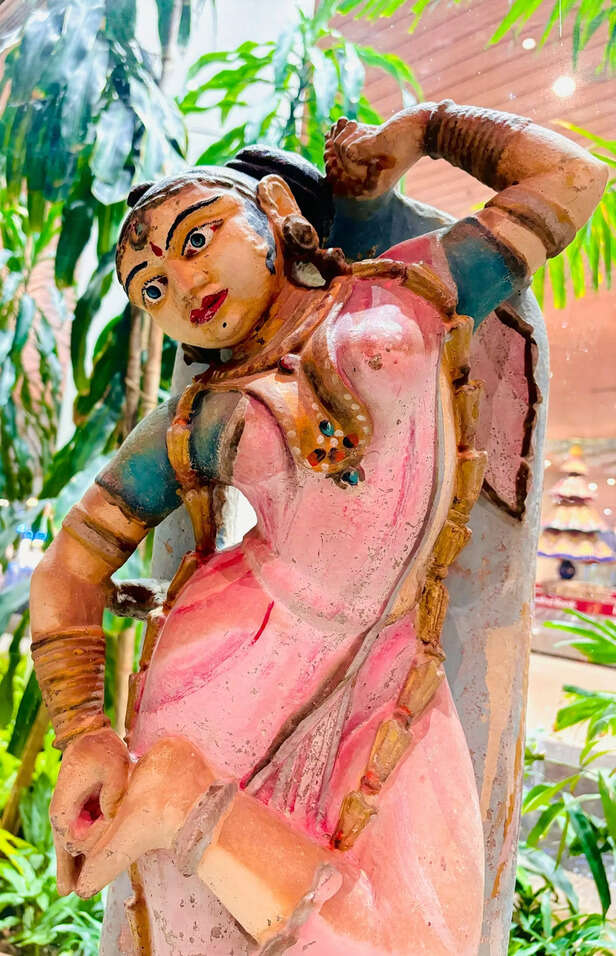
The Mahabharata is not just a tale of kings, wars, and gods. At its heart, it is a story of human struggles, emotions, and dilemmas that continue to echo in today’s world. Among its many unforgettable characters, Draupadi stands tall. Born of fire, celebrated as one of the Panch Kanya (five revered women in Hindu tradition), and remembered as the wife of the five Pandavas, Draupadi is more than a mythological queen she is a symbol of resilience, dignity, and defiance in the face of injustice.
Even centuries later, Draupadi’s story resonates deeply with women across the world. Her experiences humiliation, courage, assertiveness, and spiritual strength reflect the challenges many women continue to face. In today’s society, where issues like gender equality, consent, honor, and empowerment dominate conversations, Draupadi’s life offers both timeless warnings and inspiring lessons.
This article explores why Draupadi’s story remains profoundly relevant for women today.
Draupadi as a Symbol of Dignity in Adversity
Among the countless episodes in the Mahabharata, none is as haunting and unforgettable as Draupadi’s vastraharan the attempted disrobing in the Kaurava court. It was a moment not just of personal humiliation but a moral test for an entire kingdom. Stripped of protection, mocked by enemies, and abandoned by her husbands, Draupadi stood alone in a hall filled with kings, elders, and so called men of honor. Yet she did not bow her head in shame. Instead, she raised her voice, questioned the legality of her “stake,” and demanded accountability from those who stayed silent.
This resilience is what makes Draupadi timeless. She teaches that dignity is not defined by circumstances but by one’s refusal to surrender. Even when society attempts to strip a woman of her worth, true dignity lies in courage, self respect, and the strength to speak out.
The relevance of this episode extends far beyond mythology. For modern women, Draupadi’s humiliation mirrors the struggles faced daily harassment at workplaces, objectification in media, online abuse, or even neglect by loved ones during crises. Much like the silent assembly in Hastinapur, society often looks the other way when women face injustice. Victim blaming, apathy, and fear of speaking against power remain widespread.
Yet Draupadi’s defiance shows that silence is not the answer. Her powerful act of questioning in the court reminds women today that their voices are weapons against oppression. Speaking up is not weakness; it is an assertion of strength. Whether it is challenging harassment at work, standing against domestic violence, or confronting societal taboos, Draupadi’s example encourages women to reclaim their agency.
Equally important is Draupadi’s reminder to bystanders. Her humiliation was not caused by Duryodhana alone but also by the silence of elders, teachers, and even her husbands. This speaks directly to today’s culture of complicity. Injustice thrives when those in positions of power or influence fail to act. Draupadi compels us all to reflect: when faced with wrong, are we silent witnesses or active defenders of justice?
In today’s world of gender inequality and social stigma, Draupadi’s story resonates as both a caution and an inspiration. She remains a symbol of dignity in adversity teaching that dignity is not given or taken away by others; it is preserved in the courage to stand tall, speak out, and refuse to let injustice define one’s worth.
Draupadi as a Symbol of Dignity in Adversity
In the grand tapestry of the Mahabharata, Draupadi’s vastraharan stands out as one of the most disturbing yet powerful episodes. Dragged into the Kaurava court after her husband Yudhishthira lost her in a game of dice, Draupadi found herself surrounded by kings, elders, and even her own husbands, who stood helpless and silent. She was mocked, humiliated, and treated as a possession. Yet what makes Draupadi remarkable is not just the injustice she suffered but the unshakable dignity with which she faced it. Instead of breaking down, she raised her voice, questioned the legality of her being staked, and demanded answers from those who stayed silent.
This moment transforms Draupadi from a victim into a symbol of resistance. Her voice cut through the silence of the court, exposing the moral bankruptcy of those who allowed injustice to prevail. Her refusal to be silenced teaches us that dignity does not lie in external validation but in inner courage and self respect.
The relevance of Draupadi’s defiance echoes powerfully in today’s world. Modern women, too, face humiliation and injustice in various forms harassment at workplaces, body shaming, online trolling, domestic violence, and neglect in moments of need. Like Draupadi, many stand in spaces where the powerful remain silent, where systems fail, and where support from family or society is absent. The vastraharan is not just an ancient story it is a mirror of the struggles women still endure.
But Draupadi’s response is what makes her timeless. She teaches that silence in the face of injustice only fuels oppression. By speaking up, questioning, and demanding accountability, she transformed humiliation into a call for justice. For modern women, this is an empowering lesson: your voice has the power to challenge structures, shake systems, and reclaim dignity, no matter how stacked the odds may seem.
Her story also delivers a lesson to bystanders. Draupadi’s humiliation was not caused by Duryodhana alone it was magnified by the silence of elders, warriors, and her own husbands. This warns us against complicity. Injustice continues when those who can intervene choose silence. Draupadi reminds us that responsibility does not end with personal integrity; it extends to standing up for others.
Even today, Draupadi remains a burning symbol of dignity in adversity. She teaches that true power lies in the courage to speak, to demand justice, and to refuse to let shame define one’s worth.
The Question of Consent and Agency
When Yudhishthira gambled away everything even Draupadi her powerful question shook the foundation of the assembly:
"Did you lose yourself first, before staking me?"
This was not just a question to her husband but a challenge to an entire system that saw women as possessions. In that one inquiry, Draupadi voiced the principle that no one can own a woman’s body, choice, or dignity.
Centuries later, debates around women’s agency, marital rights, and autonomy are still ongoing. From legal battles over marital rape to conversations around consent, Draupadi’s question remains as urgent today as it was then. Her defiance shows women that their identity is not tied to a husband, family, or society it is their own.
The Strength of a Woman Beyond Roles
When we think of Draupadi, one of the most striking aspects of her life is how far she was from conventional expectations. In a world where women were often confined to the background, Draupadi stood at the center of the Mahabharata. Her marriage itself was unusual she was wed to five men, the Pandavas, in a polyandrous arrangement that was rare even in her era. Rather than being overshadowed by this extraordinary circumstance, Draupadi became the force that held them together. She was queen, wife, mother, and advisor, but above all, she was a woman of indomitable spirit who refused to be reduced to any one label.
Her life was shaped by challenges. She endured exile, lived through constant threats from enemies, and watched her husbands wrestle with loss and dishonor. In all these moments, Draupadi was the anchor. She not only supported her family but also urged them to rise above despair. In the forest, when the Pandavas were defeated and disheartened, it was Draupadi who reminded them of their dignity and pushed them to prepare for justice. Her strength did not come from submissive patience alone but from her active role in guiding, challenging, and inspiring those around her.
Yet, Draupadi was never just the sum of her roles. She was not merely someone’s wife or mother in law, nor simply the queen of Indraprastha. She was Draupadi fierce, questioning, and unapologetically herself. Even in moments of vulnerability, such as the disrobing in the Kaurava court, she refused to be defined by humiliation. Instead, she emerged as a voice of moral questioning, a woman who would not let society dictate her worth.
This dimension of Draupadi’s identity is what makes her story so relevant today. Modern women still often find themselves measured against the roles they play someone’s daughter, someone’s wife, someone’s mother. While these roles are meaningful, they can also become limiting if society refuses to see women beyond them. Draupadi’s life is a reminder that a woman’s identity cannot be confined to relationships alone. She is an individual with her own dreams, aspirations, and agency.
In today’s context, many women juggle multiple roles professionals, caregivers, partners, daughters, and friends. Yet, despite this balancing act, they are frequently judged more by their duties within family structures than by their personal achievements. For example, a woman may be recognized as a “good mother” or “dutiful wife” but overlooked for her skills, intellect, or ambitions. Draupadi’s story challenges this mindset. She shows that while fulfilling roles within family and society is important, a woman’s core identity must never be lost in the process.
Her life also reflects the resilience women must summon in the face of adversity. Even when Draupadi suffered personal pain, she did not allow herself to be diminished. Instead, she became a catalyst for change. This resilience is echoed in countless modern stories women who face loss, discrimination, or injustice yet continue to carve out their place in society.
Most importantly, Draupadi symbolizes the truth that strength does not mean perfection. She was human she expressed anger, frustration, and pain but that did not make her weaker. On the contrary, it made her more relatable and powerful. Her ability to remain true to herself while fulfilling demanding roles demonstrates that the essence of womanhood lies not in silent endurance but in authentic expression.
Ultimately, Draupadi’s life is an assertion of individuality. She teaches us that a woman is not defined solely by the relationships she maintains but by the choices she makes, the questions she asks, and the courage she embodies. In a society that often tries to put women into boxes, Draupadi’s story breaks those boxes apart. She is a reminder that the strength of a woman lies not in being everything for others but in being true to herself first.
Why Draupadi Still Inspires
Draupadi’s life was filled with contradictions she was vulnerable yet powerful, humiliated yet dignified, bound by relationships yet fiercely independent. It is this complexity that makes her timeless.
For women navigating today’s world balancing tradition with modernity, facing systemic biases, or demanding equality in workplaces and homes Draupadi’s story is not just history, but a guide. She reminds us that strength is not about the absence of struggle but about the refusal to surrender to it.