
Why Every Gen Z Should Learn These Shiva Symbols
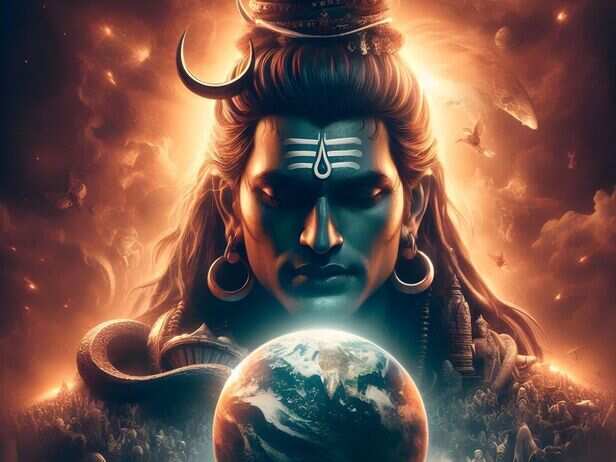
Lord Shiva is one of the most fascinating deities in Hinduism. Every symbol in his divine form carries a deeper message that goes far beyond mythology. His appearance is not just artistic. It is a complete guide to mastering the mind, handling emotions, building resilience, and finding inner peace. In today's fast-moving digital world, where distractions, stress, and comparison dominate everyday life, these timeless symbols offer lessons that feel surprisingly relevant. The more you understand Shiva's form, the more you realize it is not about worship alone. It is about transforming the way you live.
Every Symbol Tells a Bigger Story
Lord Shiva's appearance is unlike that of any other deity because every element has a purpose. His ornaments are not decorations. They are spiritual teachings expressed through symbolism. Each one reflects a quality that helps people overcome fear, ego, attachment, and confusion. Instead of focusing only on external rituals, these symbols encourage self-awareness and inner transformation. They remind us that lasting success begins by mastering our thoughts before trying to control the world around us.
The Symbols That Teach Inner Strength
The Ganga teaches that knowledge should never stop flowing because learning keeps the mind alive. The Crescent Moon reminds us that emotions change just like time, so difficult moments never last forever. Shiva's Third Eye represents wisdom beyond appearances, encouraging people to seek truth before making judgments. Together, these three symbols inspire curiosity, emotional maturity, and deeper understanding. They teach that real intelligence is not collecting information but developing awareness that helps us make better decisions.
Master Your Mind Before Anything Else
The Tiger Skin represents victory over uncontrolled desires and distractions. The Snake around Shiva's neck reminds us to stay calm even when fear surrounds us. The Tripundra, made from sacred ash, teaches that ego and worldly achievements are temporary. These symbols carry one common lesson. The biggest battle is never against other people. It is against the restless mind. Those who learn discipline, patience, and self-control often discover a strength that cannot be taken away.
Why Humility Is Shiva's Greatest Power
The sacred ash covering Shiva's body reminds us that everything material eventually disappears. Rudraksha symbolizes spiritual strength built through kindness and self-control rather than pride. Neelkanth, the blue throat, represents the ability to hold negativity without letting it poison the heart. Together, these symbols encourage emotional resilience. Instead of reacting to every challenge, they teach us to stay humble during success, calm during criticism, and compassionate even when life becomes difficult.
Build a Future Without Fear
The Trishul reminds us to focus on the present instead of remaining trapped by the past. The Damru teaches that every ending quietly prepares a new beginning. Nandi represents unwavering patience and faith, showing that meaningful goals require consistency. The Kamandalu reflects simplicity and freedom from excessive attachment to possessions. Together, these symbols encourage people to trust life's journey, remain disciplined through uncertainty, and discover happiness that does not depend on external success.
How Gen Z Can Apply Shiva's Teachings Today
These timeless lessons become meaningful only when practiced. Start by learning something new every day like the Ganga. Accept change with the calmness of the Crescent Moon. Think before reacting like the Snake around Shiva's neck. Stay humble like Bhasma, protect your peace like Neelkanth, remain patient like Nandi, and simplify your life like the Kamandalu. Small habits inspired by these symbols can slowly build confidence, emotional balance, and lasting inner strength.
Unlock insightful tips and inspiration on personal growth, productivity, and well-being. Stay motivated and updated with the latest at My Life XP