What if the courage associated with Lord Hanuman and the fierce strength of Goddess Chandraghanta could help us understand an ancient yogic idea: the power to act even when fear holds us back? In Hindu spiritual traditions, Hanuman represents strength guided by devotion, while Chandraghanta, the third form of Goddess Durga worshipped during Navratri, symbolises courage and protection. Their qualities can be explored alongside the Manipura Chakra, traditionally associated with the navel region, personal will and inner fire. Although this is a symbolic spiritual connection rather than a universally established scriptural doctrine, it offers a meaningful way to reflect on courage, discipline and self-confidence.
Why Hanuman Represents Fearless Strength
![Lord Hanuman and the Power of Inner Courage]()
Lord Hanuman and the Power of Inner Courage
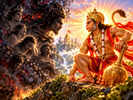
Lord Hanuman's greatest strength was not simply his physical power. It was his ability to overcome fear while remaining devoted to Lord Rama. In the Ramayana, Hanuman crosses the ocean to reach Lanka, searches for Goddess Sita and faces powerful enemies without abandoning his mission. These stories offer a powerful lesson about inner strength: courage becomes more meaningful when it serves a purpose beyond personal pride. This quality connects symbolically with the Manipura Chakra, which is associated in yogic traditions with confidence, determination and the ability to take action.
What Is the Manipura Chakra?
![Manipura Chakra and the Inner Fire]()
Manipura Chakra and the Inner Fire
Image credit : CHATGPT(AI)
The Manipura Chakra is the third of the seven commonly described chakras in yogic traditions. Its name is often translated as the “city of jewels,” and it is traditionally associated with the navel region, the fire element and personal power. In spiritual interpretations, this chakra represents confidence, discipline, determination and the ability to make decisions. Its symbolism offers a useful way to reflect on how people respond to challenges. However, chakras belong to traditional spiritual frameworks and are not established anatomical structures recognised by modern medical science.
The Meaning Behind the Ram Connection
The connection between Hanuman and the Manipura Chakra becomes especially interesting when we consider the word “Ram.” In chakra-based yogic traditions, the seed mantra associated with Manipura is “RAM” (रं), pronounced differently from “Rama” (राम), the name of Lord Rama. The two are not the same mantra, but their similar sounds invite symbolic reflection. Hanuman's constant devotion to Rama can represent the direction of inner power towards a meaningful goal. Rather than acting from anger or ego, his strength is guided by loyalty, service and devotion.
Why Goddess Chandraghanta Fits This Symbolism
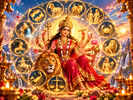
Goddess Chandraghanta is the third form of Goddess Durga worshipped during Navratri. She is commonly depicted riding a lion or tiger and carrying weapons, symbolising her readiness to protect devotees and confront negative forces. Her fierce appearance represents courage, while her divine nature is also associated with compassion and protection. When her symbolism is considered alongside the Manipura Chakra, a shared theme emerges: the ability to face difficulties without surrendering to fear. This is a spiritual interpretation of their common qualities, rather than a universally established scriptural link between Chandraghanta and the chakra.
The Difference Between Courage and Ego
Confidence can help people take action, but unchecked pride can turn strength into aggression. Hanuman's character offers a different model: he displays immense power without making personal recognition his goal. Similarly, the Manipura Chakra is often discussed in modern spiritual interpretations in terms of balanced personal power and self-discipline. Goddess Chandraghanta adds another dimension through the symbolism of protective courage. Together, these ideas encourage a practical question: are we using our strength to solve problems and help others, or simply to win arguments and prove ourselves right?
How to Apply This Lesson in Daily Life
You can reflect on these teachings through a simple daily practice. Spend a few minutes in quiet prayer, recite the Hanuman Chalisa or chant Lord Rama's name if it is part of your tradition. Follow this with slow, comfortable breathing and identify one task you have been avoiding because of fear. Take a small, practical step towards completing it. You may also reflect on Goddess Chandraghanta during Navratri and ask yourself how courage can be balanced with kindness. These practices can support focus and personal reflection, although they should not be presented as scientifically proven methods of activating a chakra.
The Deeper Message of Inner Power
The stories of Lord Hanuman and Goddess Chandraghanta offer a meaningful way to understand inner courage. Hanuman shows how strength can be guided by devotion, while Chandraghanta represents the willingness to confront danger and protect what matters. The Manipura Chakra provides a yogic framework for reflecting on confidence, discipline and personal will. Although these connections are best understood as spiritual symbolism rather than a single established doctrine, their shared message is clear: true strength is not about having no fear. It is about acting wisely, remaining grounded and doing what is right even when a situation feels difficult.