Hanuman Ji’s journey to Lanka is one of the most powerful episodes in the Ramayana. But some later Hindu traditions connect this journey with an intriguing detail: before setting out for Lanka, Hanuman Ji is said to have worshipped the forms of
Dash Mahavidya, the ten manifestations of Goddess Shakti. This story is not part of the core Valmiki Ramayana, so it is important to distinguish the traditional belief from the original epic narrative. Still, the belief carries a meaningful spiritual idea: before facing a difficult mission, even immense strength is guided by devotion, discipline and the blessings of Shakti.
Hanuman Ji’s Journey Was More Than Strength
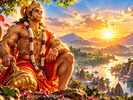
![Hanuman Ji preparing for his journey to Lanka]()
Hanuman Ji preparing for his journey to Lanka
Image credit : chatgpt(ai)
When we hear about
Hanuman Ji going to Lanka, we usually remember his massive leap across the ocean and his fearless search for Mata Sita. But a lesser-known devotional tradition adds another layer to the story. According to this belief, Hanuman Ji worshipped the
Dash Mahavidya, the ten forms of Goddess Shakti, before beginning his mission. The detail is not found in the core narrative of the Valmiki Ramayana and appears in later traditions. Still, devotees see it as a symbolic reminder that great strength is guided by divine energy, devotion and preparation.
The Dash Mahavidya Connection
![Hidden Lessons From Hanuman Ji]()
Hidden Lessons From Hanuman Ji
The
Dash Mahavidya are ten forms of Goddess Shakti worshipped in different Hindu traditions. They include
Kali, Tara, Tripura Sundari, Bhuvaneshwari, Bhairavi, Chhinnamasta, Dhumavati, Bagalamukhi, Matangi and Kamala. Each form has its own symbolism and spiritual meaning. The tradition connects these forms with different aspects of divine feminine power, from fierce protection to wisdom, transformation and prosperity. The story of
Hanuman Mahavidya Puja draws on this wider Shakti tradition and presents Hanuman Ji seeking divine blessings before undertaking an extremely difficult mission.
Why Would Hanuman Ji Need Shakti?
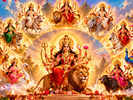
![Ten forms of Goddess Shakti represented as Mahavidyas]()
Ten forms of Goddess Shakti represented as Mahavidyas
Image credit : chatgpt(ai)
At first, the idea may seem surprising. Hanuman Ji already possessed immense strength, courage and supernatural abilities. So why would he need to worship the
Mahavidyas? The answer lies in the symbolism of the story. Physical power alone does not guarantee success in a difficult mission. Hanuman Ji’s Lanka journey required intelligence, patience, courage and the ability to overcome powerful obstacles. The Mahavidya tradition represents different expressions of Shakti, suggesting that complete strength comes from more than physical power. It also comes from wisdom, discipline, protection and spiritual focus.
The Ten Forms Represent Different Powers
Each Mahavidya carries a distinct symbolic meaning.
Kali is associated with time and destruction of negativity, while
Tara represents protection and guidance.
Tripura Sundari is linked with beauty and divine consciousness, and
Bhuvaneshwari represents the cosmic space in which existence unfolds. Other forms are associated with fierce power, transformation, wisdom and prosperity. In the context of the
Hanuman Lanka story, these forms can be understood as representing the qualities needed for a difficult journey. The point is not that Hanuman Ji lacked power, but that divine power can take many forms.
Hanuman Ji’s Greatest Weapon Was Devotion
The most important part of
Hanuman Ji worship is not a particular ritual but his devotion to Lord Ram. Throughout the Ramayana, Hanuman’s courage is closely connected with his complete dedication to his mission. He does not act out of personal ambition. He crosses the ocean, enters Lanka, searches for Sita and faces Ravana’s forces because he wants to serve Ram. This makes the Mahavidya story meaningful even when viewed as a later devotional tradition. It presents a simple lesson: strength becomes more purposeful when it is guided by devotion, humility and a clear sense of duty.
What the Story Teaches Before a Big Challenge
There is a practical lesson hidden within this traditional story. Before facing a major challenge, preparation matters. Hanuman Ji is remembered not only for his physical strength but also for his ability to think, adapt and remain focused. Whether one follows the
Hanuman Mahavidya Puja tradition literally or sees it as devotional symbolism, the message remains relevant. Strength should be accompanied by wisdom, courage should be guided by purpose and difficult work should begin with a steady mind. That is why Hanuman Ji continues to inspire devotees far beyond the story of his journey to Lanka.
The Deeper Meaning of Hanuman’s Lanka Journey
The story of
Hanuman Ji going to Lanka is usually remembered as a victory of courage and devotion. The later tradition connecting him with the
Dash Mahavidya adds another spiritual layer: even extraordinary strength is connected with divine Shakti. It is worth remembering that this Mahavidya episode is a later devotional belief, not an episode explicitly narrated in the Valmiki Ramayana. Yet its message remains powerful. Hanuman Ji did not depend on strength alone. His courage came with devotion, discipline and faith. That combination is what makes his Lanka journey one of the most enduring stories in Hindu tradition.
Unlock insightful tips and inspiration on personal growth, productivity, and well-being. Stay motivated and updated with the latest at
My Life XP.