Why Hartalika Teej Is So Special in UP and Bihar
Noopur Kumari | Sept 07, 2026, 11:00 IST
Hartalika Teej is more than a day of fasting and worship in Uttar Pradesh and Bihar. Women gather for the Teej Katha, wear traditional clothes and perform rituals dedicated to Shiva and Parvati. Regional delicacies like gujiya and khajur add a special touch. These customs, passed through generations, keep family traditions and local culture alive.

Hartalika Teej
Image credit : ChatGPT (ai)
Teej is celebrated in different ways across India, but the traditions followed in Uttar Pradesh and Bihar have a charm of their own. In many parts of these states, women observe Hartalika Teej rather than Hariyali Teej. The day is marked by devotion to Lord Shiva and Goddess Parvati, along with fasting, worship, traditional food and festive preparations. From wearing sixteen adornments to preparing special sweets, every custom adds a different colour to the celebration. But there is one beautiful detail that makes the festival especially memorable: many of these traditions are closely connected with family, marital devotion and regional culture.
![Hartalika Teej Celebration in North India]()
In many parts of Uttar Pradesh and Bihar, Hartalika Teej holds a special place among women’s festivals. Unlike Hariyali Teej, the focus here is strongly connected with the worship of Lord Shiva and Goddess Parvati. Married women traditionally observe a strict fast and pray for the well-being and long life of their husbands. The festival is also associated with the story of Goddess Parvati’s devotion to Lord Shiva. Because customs differ from one region to another, the exact rituals can vary between families and communities. Yet the emotional heart of the celebration remains devotion, prayer and faith.
![Women Observe Hartalika Teej Fast]()
One of the most demanding traditions associated with Hartalika Teej is the fast. In many families, married women observe a nirjala vrat, meaning they traditionally abstain from both food and water for the prescribed period. The fast is performed as an expression of devotion and prayer for marital well-being. However, fasting practices can differ based on family traditions, health and local customs. The important part of the festival is not simply going without food or water. It is the faith and dedication with which devotees perform their prayers and participate in the rituals surrounding Hartalika Teej.
As evening approaches, many women prepare for worship by dressing in traditional clothes and completing their solah shringar, or sixteen forms of adornment. Sarees, jewellery, bangles, mehndi and other traditional elements become part of the festive appearance. In many communities, these adornments are associated with married life and the blessings of a happy household. Some families also follow traditions involving the donation of clothes or shringar items. These customs make the festival visually beautiful, but their deeper significance lies in the emotional connection women have with rituals passed down through mothers, grandmothers and generations before them.
One of the most meaningful moments of Hartalika Teej comes when women gather to hear the Teej Katha. After spending much of the day observing the fast and preparing for worship, the evening becomes a time for collective devotion. Women sit together, listen to the traditional story associated with Goddess Parvati and Lord Shiva, and participate in prayers. This gathering also creates a strong sense of community. Older women often share customs and stories with younger generations, helping preserve traditions that might otherwise slowly disappear. In this way, the Katha becomes both a religious ritual and a bridge between generations.
Food gives every Indian festival its own identity, and Hartalika Teej is no exception. In several parts of Uttar Pradesh and Bihar, households prepare traditional sweets such as gujiya and khajur around the festival. Recipes and preparation methods can differ from one family to another. In some homes, another traditional preparation is made using roasted rice flour, ghee and sugar. Such food is not simply about taste. Festival recipes often carry memories of childhood, family gatherings and instructions passed down through generations. That is what makes these simple preparations feel special long after the festival is over.
One reason Hartalika Teej remains fascinating is that there is no single way every family celebrates it. Customs can change according to the region, community and household. Some families focus more on the fast and evening worship, while others place greater emphasis on traditional food, clothing, donations and gatherings. This regional variety is not a weakness. It is what makes Indian festivals so rich. The same festival can carry different local flavours while preserving its central spiritual theme. In Uttar Pradesh and Bihar, these traditions continue to bring together devotion, family memories, food and community celebrations.
The most beautiful part of Hartalika Teej may be the way it connects generations. A mother teaches her daughter how to prepare for the festival. Grandmothers explain the Katha. Families prepare traditional dishes and women gather for worship. These small moments preserve a cultural memory that cannot be captured by a single ritual. The festival therefore becomes more than a day on the calendar. It becomes a living tradition. For many families in Uttar Pradesh and Bihar, Hartalika Teej is a reminder that faith, relationships and cultural memories can continue to bring people together even as lifestyles change.
Unlock insightful tips and inspiration on personal growth, productivity, and well-being. Stay motivated and updated with the latest at My Life XP.
Hartalika Teej Has Its Own Identity
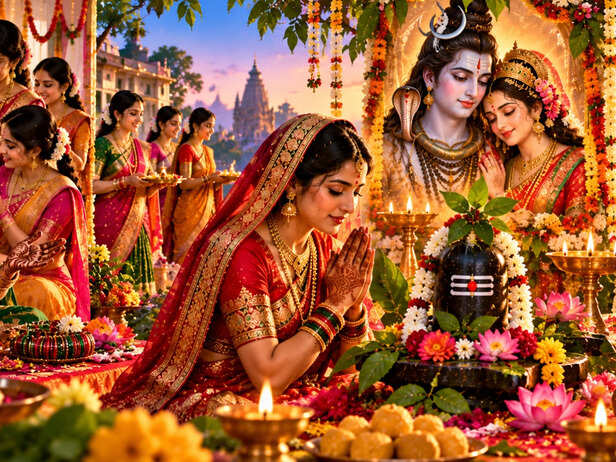
Hartalika Teej Celebration in North India
Image credit : ChatGPT (ai)
In many parts of Uttar Pradesh and Bihar, Hartalika Teej holds a special place among women’s festivals. Unlike Hariyali Teej, the focus here is strongly connected with the worship of Lord Shiva and Goddess Parvati. Married women traditionally observe a strict fast and pray for the well-being and long life of their husbands. The festival is also associated with the story of Goddess Parvati’s devotion to Lord Shiva. Because customs differ from one region to another, the exact rituals can vary between families and communities. Yet the emotional heart of the celebration remains devotion, prayer and faith.
The Fast Is Considered Very Sacred
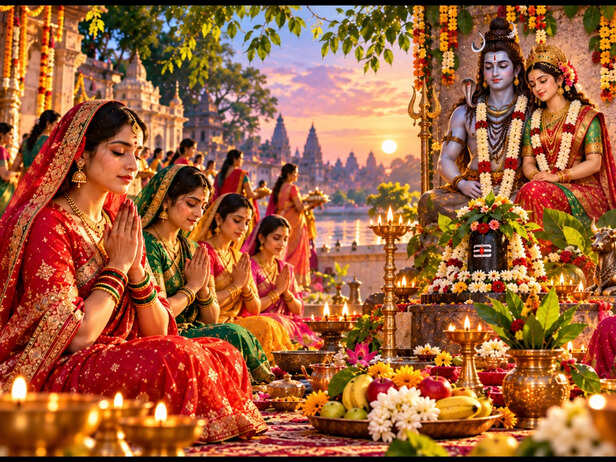
Women Observe Hartalika Teej Fast
Image credit : ChatGPT(ai)
One of the most demanding traditions associated with Hartalika Teej is the fast. In many families, married women observe a nirjala vrat, meaning they traditionally abstain from both food and water for the prescribed period. The fast is performed as an expression of devotion and prayer for marital well-being. However, fasting practices can differ based on family traditions, health and local customs. The important part of the festival is not simply going without food or water. It is the faith and dedication with which devotees perform their prayers and participate in the rituals surrounding Hartalika Teej.
Sixteen Adornments Add Festive Beauty
The Teej Katha Brings Everyone Together
Gujiya and Khajur Add a Local Touch
Regional Customs Make Teej Unique
Why These Traditions Still Matter
Unlock insightful tips and inspiration on personal growth, productivity, and well-being. Stay motivated and updated with the latest at My Life XP.