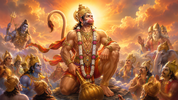
Why Hindus Draw The Swastik Before Every Puja
Noopur Kumari | Jul 22, 2026, 11:00 IST
Why is the Swastik drawn before every major Hindu ritual? What do its four arms represent, and why has this ancient symbol remained an important part of Hindu traditions for thousands of years? According to traditional Hindu beliefs, the Swastik represents prosperity, balance, protection, and the continuous flow of life. Understanding its deeper meaning helps us appreciate why it remains one of the most sacred symbols in Hindu culture.

Swastik In Hinduism
Image credit : ChatGPT(AI)
You have probably seen the Swastik at the entrance of homes, on temple walls, during festivals, or on puja thalis. For many Hindus, it is one of the first sacred symbols drawn before beginning something important. Yet, very few people truly understand what it represents. Far beyond being a decorative mark, the Swastik carries centuries of spiritual meaning rooted in Sanatan Dharma. It is a symbol of divine blessings, harmony, and positive energy that continues to inspire millions of devotees even today.
A Symbol Of
![Sacred Swastik At Temple Entrance]()
In Hindu tradition, the Swastik is considered a powerful symbol of good fortune and positive beginnings. It is commonly drawn before starting a new business, entering a new home, celebrating festivals, or performing religious rituals. Devotees believe that placing the Swastik invites divine blessings and creates a spiritually positive environment. Rather than being just a ritual, it represents the intention to begin every important journey with faith, purity, and gratitude.
![Sanskrit Origin Of Swastik]()
The word Swastik comes from the Sanskrit word "Swasti," which traditionally means well-being, peace, prosperity, and good fortune. It reflects the wish for a happy and harmonious life. In Hindu philosophy, symbols are not merely visual designs. They carry spiritual messages that remind people to live with positive thoughts, righteous actions, and devotion. The Swastik beautifully represents this timeless aspiration for balance and happiness.
Whether it is Diwali, Navratri, Griha Pravesh, or a daily prayer, the Swastik is often one of the first sacred symbols created. Families traditionally draw it using kumkum, turmeric, sandalwood paste, or vermilion before beginning worship. According to spiritual beliefs, this act welcomes divine energy while removing negative influences. It also reminds devotees to approach every sacred activity with sincerity, humility, and a peaceful mind.
Many traditional interpretations explain that the four arms of the Swastik represent the four Vedas, four directions, four stages of life, or the continuous cycle of creation. Although different schools of thought offer different explanations, they all point toward one central idea: balance. The symbol reminds devotees that life moves through constant change, yet spiritual values help maintain stability and harmony in every circumstance.
For many Hindu families, drawing the Swastik is an expression of devotion rather than superstition. It is believed to create a spiritually positive atmosphere that encourages peace, prosperity, and protection within the home. The symbol also reflects gratitude towards the divine. Every time devotees see it, they are reminded to cultivate positive thoughts, truthful actions, and compassion in their daily lives.
Today, many young people are exploring the deeper meanings behind Hindu traditions through books, podcasts, temple visits, and spiritual creators online. Instead of following rituals without understanding them, they are becoming curious about the symbolism behind practices passed down through generations. The Swastik has become part of this growing interest, inspiring meaningful conversations about spirituality, cultural heritage, and personal faith.
The Swastik has remained a respected symbol in Hinduism for thousands of years because it represents much more than tradition. It reminds devotees to begin every journey with positive intentions, remain balanced during life's changes, and seek harmony through faith. While its meaning has often been misunderstood outside its original cultural context, within Sanatan Dharma it continues to stand as a timeless symbol of peace, prosperity, and divine blessings.
Unlock insightful tips and inspiration on personal growth, productivity, and well-being. Stay motivated and updated with the latest at My Life XP.
A Symbol Of Auspicious Beginnings
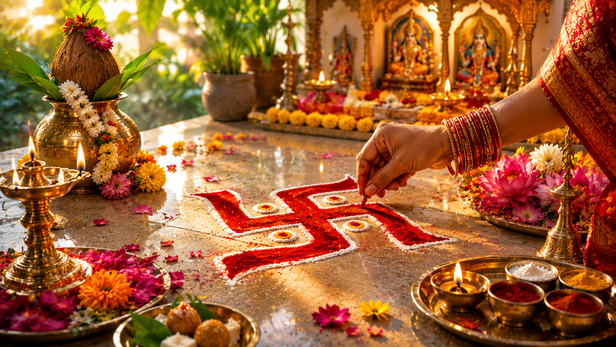
Sacred Swastik At Temple Entrance
Image credit : ChatGPT (AI)
In Hindu tradition, the Swastik is considered a powerful symbol of good fortune and positive beginnings. It is commonly drawn before starting a new business, entering a new home, celebrating festivals, or performing religious rituals. Devotees believe that placing the Swastik invites divine blessings and creates a spiritually positive environment. Rather than being just a ritual, it represents the intention to begin every important journey with faith, purity, and gratitude.
The Meaning Behind The Word Swastik
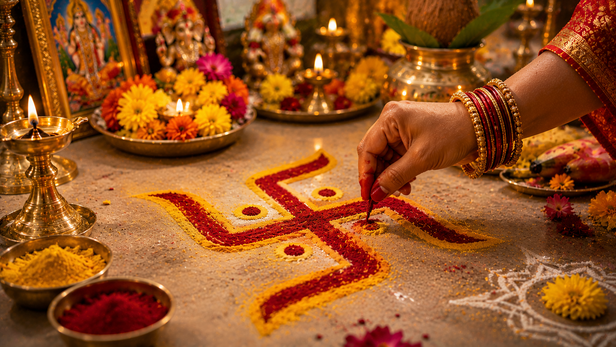
Sanskrit Origin Of Swastik
Image credit : ChatGPT
The word Swastik comes from the Sanskrit word "Swasti," which traditionally means well-being, peace, prosperity, and good fortune. It reflects the wish for a happy and harmonious life. In Hindu philosophy, symbols are not merely visual designs. They carry spiritual messages that remind people to live with positive thoughts, righteous actions, and devotion. The Swastik beautifully represents this timeless aspiration for balance and happiness.
Why It Appears During Every Puja
The Four Arms Carry A Deeper Message
A Symbol Of Faith And Protection
Why Young People Are Rediscovering It
More Than A Sacred Mark
Unlock insightful tips and inspiration on personal growth, productivity, and well-being. Stay motivated and updated with the latest at My Life XP.