
Why Is Devuthani Ekadashi Also Called Prabodhini Ekadashi?
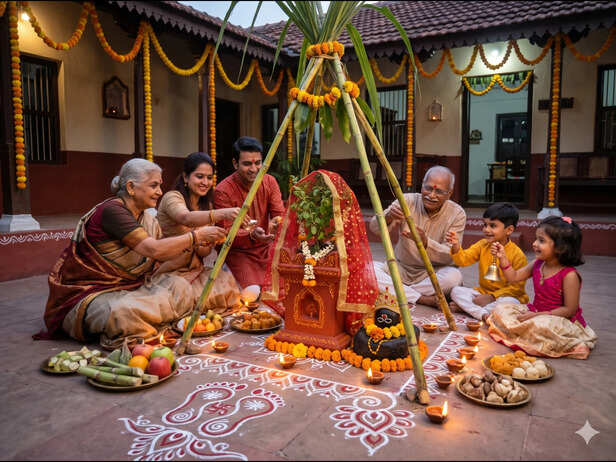
Have you ever wondered why one Ekadashi has two different names? Devuthani Ekadashi is also known as Prabodhini Ekadashi, and both names are connected to a fascinating belief about Lord Vishnu. According to Hindu tradition, Lord Vishnu enters a divine period of rest on Devshayani Ekadashi and awakens four months later on this sacred day. But there is a deeper meaning behind this awakening. It marks the end of Chaturmas, the return of auspicious activities and the beginning of an important period in the Hindu religious calendar.
The Meaning Behind Prabodhini
The word Prabodhini comes from Sanskrit and means awakening or becoming conscious. It refers to the divine awakening of Lord Vishnu, who is believed to have entered Yoga Nidra on Devshayani Ekadashi in the month of Ashadha. According to this tradition, he awakens on the Ekadashi of Kartik Shukla Paksha. This is why devotees call the occasion Prabodhini Ekadashi. The name is not merely about waking from sleep; it also represents the return of auspiciousness and renewed spiritual activity.
Why Is It Called Devuthani Ekadashi?
The name Devuthani comes from two Hindi words: Dev, meaning deity, and Uthani, meaning to rise or awaken. According to popular Hindu belief, Lord Vishnu rises from his four-month cosmic rest on this day. Devotees celebrate his awakening by offering prayers, lighting lamps and ringing bells. In many households, people also perform a special ritual to symbolically wake the Lord. The name Devuthani is widely used in North India, while Prabodhini and Devutthana are common names in religious texts and other traditions.
The Four Months of Chaturmas
The story of Devuthani Ekadashi begins four months earlier, on Devshayani Ekadashi, which falls during Ashadha Shukla Paksha. Hindu tradition describes Lord Vishnu as entering Yoga Nidra, his divine state of rest, while lying on Sheshnag in the cosmic ocean. This four-month period is known as Chaturmas. It includes the rainy season and is traditionally associated with prayer, fasting, charity and spiritual discipline. Devotees believe that Vishnu's awakening on Prabodhini Ekadashi brings Chaturmas to an end.
Why Weddings Begin After This Ekadashi
Have you ever wondered why many Hindu weddings take place after Devuthani Ekadashi? According to traditional Hindu beliefs, auspicious ceremonies such as weddings, housewarmings and other important beginnings are generally avoided during Chaturmas. With Lord Vishnu's awakening, this period comes to an end and the traditional season for auspicious ceremonies resumes. This is why Devuthani Ekadashi holds a special place for families planning marriages and religious celebrations. However, the actual wedding dates are decided according to the Panchang and individual auspicious timings.
The Connection With Tulsi Vivah
Another beautiful tradition associated with this period is Tulsi Vivah. According to Hindu belief, Goddess Tulsi is ceremonially married to Lord Vishnu, represented by the Shaligram Shila. The ceremony is traditionally performed on Kartik Shukla Dwadashi, immediately after Devuthani Ekadashi, although some communities observe it on Ekadashi itself. Devotees decorate the Tulsi plant with flowers, colourful clothes and ornaments, perform wedding rituals and offer prayers. The ceremony also marks the beginning of the traditional Hindu wedding season in many regions.
How Devotees Celebrate Prabodhini Ekadashi
Devotees observe this Ekadashi with fasting and prayers dedicated to Lord Vishnu. Many wake up early, take a holy bath, decorate their prayer spaces and offer flowers, fruits, lamps and Tulsi leaves to the deity. Some devotees also observe a night vigil, sing bhajans and listen to the vrat katha. Temples organise special prayers to celebrate Vishnu's awakening. The observance is not limited to rituals; it also encourages devotees to practise self-discipline, charity and devotion. Fasting practices may differ according to family customs and religious traditions.
The Deeper Message Behind Vishnu's Awakening
Devuthani Ekadashi carries a message that goes beyond the belief of Lord Vishnu waking from his divine rest. It represents the idea that every pause can lead to a fresh beginning. The end of Chaturmas reminds devotees to return to their responsibilities, celebrate important occasions and renew their spiritual commitments. This is why the festival is known by names such as Prabodhini, Devutthana and Haribodhini Ekadashi. All of them point towards one central belief: the divine awakening of Lord Vishnu and the beginning of an auspicious new phase.
Unlock insightful tips and inspiration on personal growth, productivity, and well-being. Stay motivated and updated with the latest at My Life XP.