Why Is Krishna Called Keshav? The Hidden Meaning Revealed
Noopur Kumari | Aug 19, 2026, 11:00 IST
The name Keshav opens more than one door into Hindu mythology. In the Kashi tradition, Adi Keshav is associated with Lord Vishnu and the sacred landscape of Kashi. In the Mahabharata, Krishna explains the significance of his divine names through his qualities and actions. Another famous tradition connects the name with Keshi, the powerful demon defeated by Krishna near the Yamuna. Together, these stories present Keshav as a name that represents origin, brilliance, protection and divine strength.

Krishna Called Keshav
Image credit : ChatGPT(ai)
What if the name Keshav carries a meaning far deeper than its commonly understood connection with hair?
In Hindu tradition, Lord Krishna is known by countless names, and each name reveals something different about his nature, deeds or divine form. Keshav is one of the most fascinating among them. Its meaning appears through different sacred traditions, connecting Krishna with light, divine power, Kashi and the slaying of the demon Keshi.
From the ancient traditions surrounding Adi Keshav in Kashi to Krishna's encounter with Keshi, the name seems to reveal several layers of the divine personality. But there is one deeper idea connecting these stories: Keshav represents both the source of divine light and the power that destroys darkness.
![: Adi Keshav Temple in Kashi]()
The story of Adi Keshav is deeply connected with the religious traditions of Kashi. The Skanda Purana's Kashi Khanda describes the sacred geography of the city and its association with Lord Vishnu. Adi Keshav is traditionally regarded as one of the important Vishnu forms worshipped in Kashi, located near the confluence of the Ganga and Varuna. The tradition gives the name Keshav an important connection with the beginning of Vishnu's sacred presence in Kashi. This makes Keshav more than simply a personal name. It becomes part of the spiritual identity of one of India's most revered sacred cities.
![Lord Krishna surrounded by divine light]()
The Mahabharata contains a significant explanation of Krishna's names. In the Shanti Parva, Krishna describes how divine names can arise from qualities, actions and forms. The traditional explanation associated with Keshav connects the name with divine radiance and the forces that sustain the universe. The symbolism is striking. The Sun gives light, fire gives brilliance and the Moon provides its cooling radiance. In this interpretation, Keshav points toward the divine source behind these forms of cosmic energy. The name therefore becomes a reminder of the light that sustains creation.
There is another famous story behind the name. According to the Bhagavata Purana, the demon Keshi was sent by Kamsa to attack Krishna. Taking the form of a terrifying horse, Keshi created fear around the region of Vrindavan. Krishna confronted him and ultimately defeated him. After this victory, Krishna became associated with the name Keshav, traditionally understood in connection with his destruction of Keshi. This story adds another powerful dimension to the name. Keshav is not only associated with divine beauty and radiance, but also with the courage to confront and overcome destructive forces.
This is where the story becomes especially meaningful. Krishna is often portrayed as gentle, playful and compassionate, yet the same Krishna can become fierce when confronting adharma. The name Keshav beautifully captures this contrast. One side represents light, beauty and divine presence. The other represents strength, protection and the destruction of evil. This duality is central to Krishna's character in Hindu tradition. His softness does not mean weakness, and his strength does not remove his compassion. Keshav therefore becomes a powerful symbol of how divine power can be both protective and transformative.
For devotees, remembering the name Keshav can become a simple spiritual practice. Instead of repeating the name mechanically, one can reflect on what it represents. Light when life feels uncertain. Courage when fear appears. Wisdom when choices become difficult. Compassion when strength is needed. This gives a sacred name a personal meaning beyond mythology. Whether someone remembers Krishna through prayer, meditation or devotional chanting, the name can become a reminder to bring these qualities into everyday life.
The deeper lesson is perhaps the most beautiful one. Darkness and light are not always external forces. Fear, confusion, anger and attachment can also become forms of inner darkness. The story of Krishna defeating Keshi can therefore be understood as a spiritual metaphor for confronting what weakens us. At the same time, the association of Keshav with divine radiance reminds us to cultivate wisdom and clarity. Remembering Keshav can become a reminder that true strength is not simply about defeating others. It is about overcoming what prevents us from becoming better versions of ourselves.
Unlock insightful tips and inspiration on personal growth, productivity, and well-being. Stay motivated and updated with the latest at My Life XP
In Hindu tradition, Lord Krishna is known by countless names, and each name reveals something different about his nature, deeds or divine form. Keshav is one of the most fascinating among them. Its meaning appears through different sacred traditions, connecting Krishna with light, divine power, Kashi and the slaying of the demon Keshi.
From the ancient traditions surrounding Adi Keshav in Kashi to Krishna's encounter with Keshi, the name seems to reveal several layers of the divine personality. But there is one deeper idea connecting these stories: Keshav represents both the source of divine light and the power that destroys darkness.
Keshav and the Sacred Land of Kashi
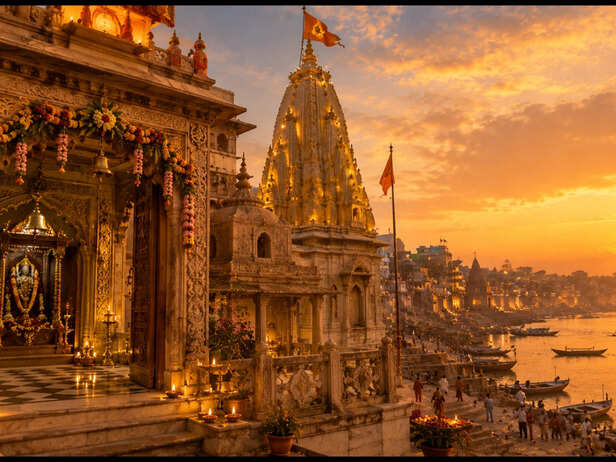
: Adi Keshav Temple in Kashi
Image credit : ChatGPT(AI)
The story of Adi Keshav is deeply connected with the religious traditions of Kashi. The Skanda Purana's Kashi Khanda describes the sacred geography of the city and its association with Lord Vishnu. Adi Keshav is traditionally regarded as one of the important Vishnu forms worshipped in Kashi, located near the confluence of the Ganga and Varuna. The tradition gives the name Keshav an important connection with the beginning of Vishnu's sacred presence in Kashi. This makes Keshav more than simply a personal name. It becomes part of the spiritual identity of one of India's most revered sacred cities.
The Name Has a Deeper Meaning
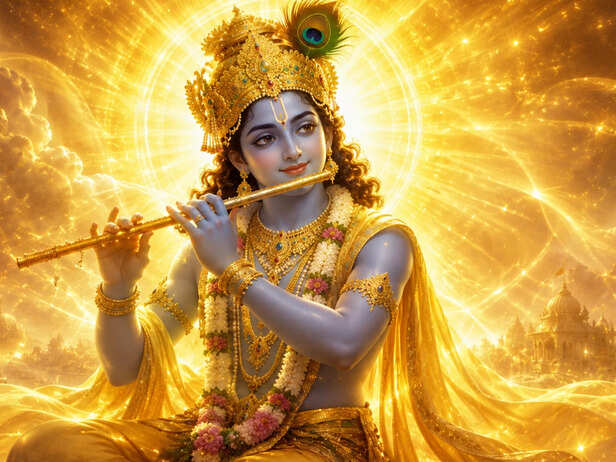
Lord Krishna surrounded by divine light
Image credit : ChatGPT (AI)
The Mahabharata contains a significant explanation of Krishna's names. In the Shanti Parva, Krishna describes how divine names can arise from qualities, actions and forms. The traditional explanation associated with Keshav connects the name with divine radiance and the forces that sustain the universe. The symbolism is striking. The Sun gives light, fire gives brilliance and the Moon provides its cooling radiance. In this interpretation, Keshav points toward the divine source behind these forms of cosmic energy. The name therefore becomes a reminder of the light that sustains creation.
Keshav and the Demon Keshi
The Same Name Holds Two Powers
Keshav Is More Than a Word
The Hidden Lesson of Keshav
Unlock insightful tips and inspiration on personal growth, productivity, and well-being. Stay motivated and updated with the latest at My Life XP