
Why Is Lord Kartikeya the Key to Skandamata's Identity?
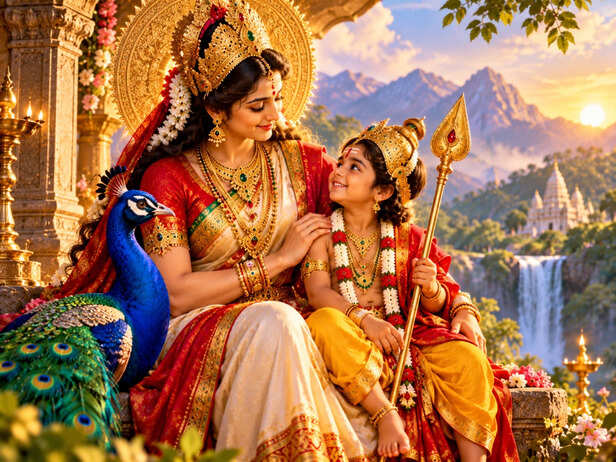
Why does Goddess Parvati have a form named after her own son? The answer lies in the beautiful bond between a mother and her child. Maa Skandamata is worshipped as the fifth form of Navdurga during Navratri, and her name carries a simple yet powerful meaning. She is the mother of Lord Skanda, better known as Lord Kartikeya or Murugan. But her identity represents more than motherhood. Her divine image also reflects protection, courage, compassion, and the strength that comes from caring for someone you love.
The Meaning Behind Skandamata's Name
The name Skandamata comes from two Sanskrit words: Skanda, another name for Lord Kartikeya, and Mata, meaning mother. Together, they mean “Mother of Skanda.” In Hindu tradition, Goddess Parvati is the mother of Lord Kartikeya, who is also known as Murugan in many regional traditions. This is why devotees worship her in this special maternal form. The name is not simply a title; it highlights the close relationship between the goddess and her son, making Maa Skandamata one of the most meaningful forms of Goddess Durga.
Why Parvati Became Skandamata
Goddess Parvati is widely worshipped as the mother of Lord Kartikeya and Lord Ganesha. When she is depicted with Kartikeya as a young child, her identity as Skandamata comes into focus. This form celebrates her role as a loving and protective mother while retaining her divine power as a form of Durga. The story also gives devotees a personal way to connect with the goddess. Instead of seeing divine strength only as power, they can recognise it in a mother's care, patience, and determination to protect her child.
Her Special Place in Navratri
During Chaitra and Sharad Navratri, devotees worship nine forms of Goddess Durga, collectively known as Navdurga. Maa Skandamata is the fifth form and is traditionally worshipped on the fifth day, known as Panchami. Her worship brings attention to motherhood, devotion, and divine protection. Many devotees offer flowers, prayers, and bhog according to their family traditions. For those observing Navratri, learning the meaning behind each form can make the festival more personal and meaningful, turning daily worship into an opportunity to reflect on different qualities of the goddess.
Why She Holds Kartikeya on Her Lap
In traditional depictions, Maa Skandamata is shown seated on a lotus and holding young Lord Kartikeya on her lap. This image is central to understanding her identity. Kartikeya is known as a divine warrior and the commander of the gods' army, while Skandamata represents the mother who nurtures and protects him. The image brings together two qualities that may seem different but complement each other: tenderness and strength. It reminds devotees that care is not a sign of weakness. A mother's love can also represent courage, responsibility, and the strength to face difficult circumstances.
What Her Divine Form Represents
Maa Skandamata is commonly depicted with four arms, holding lotus flowers, carrying Kartikeya, and displaying a gesture of blessing. She is also associated with a lotus seat, which is why she is sometimes called Padmasana Devi. These symbols are understood through different devotional traditions, but they commonly evoke purity, grace, compassion, and spiritual strength. Her form encourages devotees to look beyond outward power and recognise the importance of kindness and responsibility. During Navratri, reflecting on these qualities can make the worship of Maa Skandamata more meaningful than simply remembering her name.
Why Devotees Pray to Maa Skandamata
Many devotees pray to Maa Skandamata for the well-being of their children, harmony within the family, and strength during challenging times. Her maternal form makes her especially meaningful to people who associate a mother's blessings with comfort and protection. During Navratri, devotees may chant her prayers, offer flowers, or meditate on her image as part of their daily worship. Practices vary by region and family tradition, so there is no single required way to honour her. What matters most to many devotees is the sincerity of their prayer and the values they carry into daily life.
The Deeper Lesson of Skandamata
The story of Maa Skandamata offers a simple but lasting message: love and strength are not opposites. Her identity as the mother of Skanda celebrates the care that helps others grow while also recognising the courage needed to protect them. This is what makes her form especially moving during Navratri. Her name connects Goddess Parvati to her son, but her symbolism reaches beyond one family relationship. It invites devotees to practise compassion, take responsibility for loved ones, and approach life's challenges with patience and courage. Ultimately, Maa Skandamata's name is a reminder that motherhood itself can be a powerful expression of the divine.
Unlock insightful tips and inspiration on personal growth, productivity, and well-being. Stay motivated and updated with the latest at My Life XP.