
Why Is Lord Vishnu Not Worshipped With Lakshmi on Diwali?
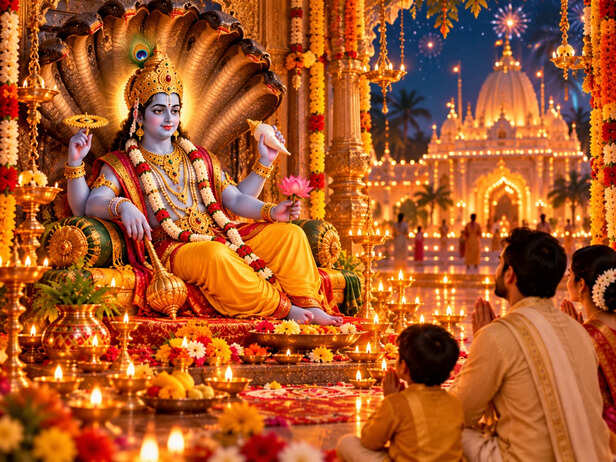
Every Diwali, millions of homes welcome Goddess Lakshmi and Lord Ganesha into their prayers. But have you ever wondered why Lord Vishnu, Lakshmi's husband, is not usually placed beside her in the main Diwali puja? And why is Ganesha given such an important place? The answer is connected to traditional beliefs about Vishnu's cosmic rest and a fascinating story about Lakshmi, pride and wisdom. Together, these ideas explain why the Lakshmi-Ganesha pairing carries a meaning that goes beyond wealth and prosperity.
Why Vishnu Is Not Usually Beside Lakshmi
The main Diwali puja in many Hindu households centres on Goddess Lakshmi and Lord Ganesha. Lakshmi represents prosperity and abundance, while Ganesha is associated with wisdom, good beginnings and the removal of obstacles. This pairing reflects the hope that wealth will enter the home alongside the understanding needed to use it well. However, practices differ across regions, temples and family traditions. Some devotees also worship Lord Vishnu or Lakshmi-Narayan during Diwali. Therefore, it is more accurate to say that Lakshmi-Ganesha puja is a widely followed tradition, not that Vishnu is never worshipped on Diwali.
The Connection With Chaturmas
One traditional explanation is linked to Chaturmas, the four-month period during which Lord Vishnu is believed to enter Yog Nidra, or cosmic sleep, on the Sheshnag in the Kshira Sagar. According to the Hindu lunar calendar, this period ends around Dev Uthani Ekadashi, also known as Prabodhini Ekadashi. Diwali generally falls before this observance in the traditional calendar. This belief is sometimes used to explain why Lakshmi is especially prominent in Diwali worship. However, it is one traditional explanation, not a universal rule that prevents devotees from worshipping Vishnu during the festival.
The Story Behind Lakshmi and Ganesha
A popular devotional story says that Goddess Lakshmi once became proud of her wealth and prosperity. Lord Vishnu reminded her that abundance alone does not make a person complete. In some versions of the tale, he points out that she has no child of her own. Lakshmi then approaches Goddess Parvati, who allows her to take Lord Ganesha into her lap as her adopted son. The story explains the affectionate bond between Lakshmi and Ganesha in this tradition. It should be understood as a popular religious narrative, as details can vary between retellings.
The Promise That Shaped the Ritual
According to this popular story, Lakshmi promises that anyone who worships her should also worship Ganesha. The promise gives the pairing a special meaning: prosperity should be accompanied by wisdom. Wealth can bring comfort and opportunity, but wise choices help people protect what they earn, care for their families and avoid careless decisions. This is why the story remains meaningful beyond the ritual itself. It presents Lakshmi and Ganesha as complementary symbols, reminding devotees that material abundance and sound judgement are most valuable when they go together.
What Lakshmi and Ganesha Represent
In Hindu tradition, Goddess Lakshmi is associated with wealth, prosperity, fortune and well-being. Lord Ganesha is associated with intelligence, discernment, auspicious beginnings and overcoming obstacles. Their joint worship can therefore be understood as a prayer for both the means to prosper and the wisdom to make responsible choices. For example, earning money may create opportunities, but planning carefully, avoiding waste and helping others determine how that money is used. The symbolism offers a practical reminder: prosperity is not only about what enters a household, but also about the decisions made after it arrives.
Why Ganesha Is Worshipped First
Lord Ganesha is commonly invoked at the beginning of Hindu rituals, ceremonies and new ventures. Devotees seek his blessings for clarity, auspicious beginnings and the removal of obstacles. During Lakshmi-Ganesha puja, this tradition connects naturally with the wish for prosperity: before seeking abundance, people also pray for the wisdom to welcome and manage it well. The exact order and details of worship may vary according to family customs and regional practice. The broader message, however, is clear: a prosperous life requires more than good fortune; it also calls for thoughtful decisions and responsible action.
The Deeper Message of Diwali
The Lakshmi-Ganesha tradition carries a message that reaches beyond the puja room. Prosperity without judgement can be difficult to sustain, while wisdom helps people use their resources with care and purpose. Diwali is also a time when families clean their homes, light lamps, share sweets and look forward to fresh beginnings. Worshipping Lakshmi and Ganesha together brings these hopes into one ritual: may there be abundance, may obstacles become easier to face, and may decisions be guided by understanding. This is one reason the pairing continues to hold a special place in many households.
Unlock insightful tips and inspiration on personal growth, productivity, and well-being. Stay motivated and updated with the latest at My Life XP.