
Why Is Maa Balakumari Worshipped as a Little Girl?
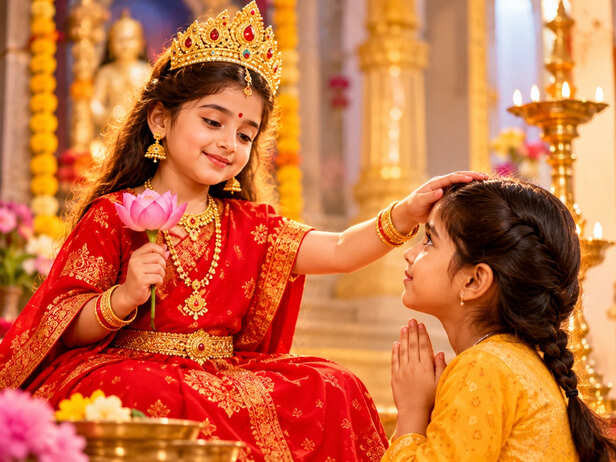
Imagine climbing 1,240 steps to meet a goddess who is worshipped not in a traditional form, but as a little girl. At the top of the Kerandimala Hills in Odisha’s Ganjam district stands the sacred shrine of Maa Balakumari. For generations, devotees have visited this hilltop temple with prayers, hopes and wishes. But what makes this shrine especially fascinating is the belief that the power of the Divine Mother resides here in a child form.
The Goddess Worshipped in Child Form
The most distinctive feature of this temple is the form in which the Goddess is worshipped. Maa Balakumari is revered as a young girl, and devotees see her child form as a symbol of divine protection and motherly care. The name Balakumari itself evokes the image of a young Goddess. For worshippers, her appearance does not make her power any less sacred. Instead, it gives their devotion a deeply personal meaning.
A Shrine Linked to Chikiti’s Royal Family
Local traditions connect Maa Balakumari with the royal family of Chikiti, which is believed to have worshipped her as its Kuladevi, or family deity. According to this belief, rulers sought the Goddess’s blessings before going into battle and turned to her for protection. Such stories have been passed down through generations and remain part of the temple’s religious identity. They also explain why many devotees regard Maa Balakumari not only as a village deity but as a guardian of the region.
The Sacred Hill of Kerandimala
The temple stands on Kerandimala Hill near Chikiti in Odisha’s Ganjam district. Its hilltop location gives the shrine a peaceful setting, surrounded by the natural landscape of the region. The official Odisha Tourism website describes it as a revered Shakti shrine and notes that devotees climb 1,240 steps to reach it. The journey through the hillside makes the pilgrimage different from visiting a temple located on a busy street or within a town.
The Sacred Trees Where Devotees Leave Their Wishes
One of the temple’s distinctive devotional customs involves tying bangles and threads to sacred trees. Devotees do this while praying for the fulfilment of wishes or seeking the Goddess’s blessings. For many, these offerings represent a promise, a hope or a prayer they have placed before Maa Balakumari. The practice is rooted in faith rather than any guarantee that a wish will come true. Each bangle and thread carries a personal story that connects the devotee to the Goddess.
A Shiva Shrine at the Foot of the Hill
The sacred experience begins even before devotees reach the hilltop shrine. At the foothills, a large natural rock is worshipped as a Shiva Lingam. This local form of worship adds another layer to the religious landscape around Balakumari Hill. Devotees can offer prayers to Lord Shiva before beginning their climb towards Maa Balakumari’s temple. The presence of both shrines makes the journey feel like a visit to two connected centres of faith.
The 1,240 Steps to the Goddess
Reaching Maa Balakumari’s shrine involves climbing 1,240 steps. The staircase is covered, offering some protection from the sun and rain during the ascent. For many devotees, each step is part of their pilgrimage, taken with prayers and the hope of receiving the Goddess’s blessings. The climb may require physical effort, but the temple’s peaceful surroundings and the view from the hilltop make the journey memorable. Visitors who find the stairs difficult can check locally about road access before travelling.
Chaitra Brings Devotees to the Hilltop
The temple attracts devotees throughout the year, with special gatherings during religious occasions. The Chaitra period is associated with an important annual pilgrimage in the local tradition, when worshippers make their way to the hill to offer prayers. For many families, visiting Maa Balakumari is more than a religious outing; it is a custom connected with faith and community. The sight of devotees making the climb together adds to the sense of devotion surrounding the shrine.
The Faith Behind Maa Balakumari
Maa Balakumari Temple is special not simply because it stands high on a hill or requires a climb of 1,240 steps. Its identity comes from the traditions that surround it: the worship of the Goddess in child form, the stories connected with Chikiti’s royal family, the sacred trees and the Shiva shrine at the foothills. For devotees, the journey is an expression of faith, hope and devotion. And perhaps that is the most beautiful part of this ancient shrine: a powerful Goddess is lovingly worshipped in the form of a little girl.
Unlock insightful tips and inspiration on personal growth, productivity, and well-being. Stay motivated and updated with the latest at My Life XP