What happens when a sage’s deepest prayer becomes part of a battle that changes the fate of the gods? According to a popular Hindu tradition, Goddess Katyayani appeared as the daughter of Sage Katyayan, but her story did not end with her divine birth. She became associated with the fierce battle against Mahishasura, the demon who threatened the gods. Worshipped on the sixth day of Navratri, Maa Katyayani represents courage, strength and the protection of righteousness. Yet her story leads to another powerful form of the Goddess, whose appearance is even more fearsome: Maa Kalaratri.
The Sage Who Prayed for a Divine Daughter
![Mahishasura Challenges the Gods]()
Mahishasura Challenges the Gods
Image credit : chatgpt(ai)
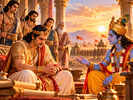
According to a popular Hindu legend, Sage Katyayan performed intense penance to seek the Goddess’s blessings. His devotion was so deep that he wished to welcome her into his life as his daughter. The Goddess answered his prayer by appearing in his household. Because she was born as the daughter of Sage Katyayan, she came to be known as Maa Katyayani. Her birth is remembered as a powerful example of devotion and divine grace. But this was only the beginning of her story, as a greater battle against evil awaited her.
Why Did the Gods Fear Mahishasura?
![Mahishasura Challenges the Gods]()
Mahishasura Challenges the Gods
Image credit : chatgpt(ai)
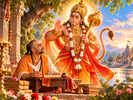
The story of Maa Katyayani is closely connected with Mahishasura, a powerful demon whose growing strength threatened the gods. In Hindu mythology, his arrogance and destructive actions created a crisis that the gods struggled to overcome. The tale represents a familiar conflict between uncontrolled power and the forces that protect cosmic order. When ordinary strength proved insufficient, divine power became necessary. This set the stage for the Goddess to appear as a warrior. Her role was not simply to defeat a powerful enemy, but to restore balance and protect the world from destructive forces.
How Maa Katyayani Became a Warrior
In popular accounts of the Katyayani legend, the Goddess takes on a fierce warrior form to confront Mahishasura. She is commonly depicted riding a lion or tiger, carrying divine weapons in her hands. Her image combines grace with extraordinary strength, showing that compassion and courage can exist together. In broader accounts of the Goddess’s battle against Mahishasura, divine powers unite to manifest the warrior Goddess Durga. The Katyayani tradition connects this divine strength with her identity as a protector who confronts evil rather than allowing it to spread unchecked.
The Battle That Ended Mahishasura’s Rule
The battle between the Goddess and Mahishasura is one of the best-known stories in Hindu mythology. Mahishasura could change his form, making him a formidable opponent. Yet his power could not protect him from the Goddess. In the tradition that associates Katyayani with this victory, she represents the force that finally brings his tyranny to an end. The story is remembered during Navratri as a symbol of righteousness overcoming destructive power. It also carries a timeless message: arrogance and oppression may appear powerful, but they cannot claim victory forever.
Why Is Maa Katyayani Worshipped on Day Six?
Maa Katyayani is worshipped on the sixth day of Navratri as one of the nine forms of Goddess Durga, known collectively as the Navadurga. Devotees pray to her for courage, strength and the ability to face difficult situations. In popular devotional traditions, she is also associated with marriage-related prayers. Her worship encourages people to approach challenges with faith and determination. Rather than seeing her story only as a battle from the past, devotees can reflect on how her qualities apply to everyday life, especially when facing fear, injustice or uncertainty.
What Maa Katyayani’s Story Teaches Us
The deeper message of Maa Katyayani’s story lies in the courage to stand against wrongdoing. Mahishasura represents destructive pride and the misuse of power, while the Goddess represents the strength needed to restore balance. In daily life, this can mean speaking up when something is unfair, setting healthy boundaries or continuing to work towards a difficult goal. Her story also reminds devotees that strength does not always mean aggression. It can mean patience, discipline and the willingness to protect others. These lessons make her worship meaningful beyond the rituals of Navratri.
From Maa Katyayani to Maa Kalaratri
The journey through Navratri moves from Maa Katyayani on the sixth day to Maa Kalaratri on the seventh. Kalaratri is depicted in a fierce form, with dark skin, dishevelled hair and a powerful presence. Although her appearance can seem frightening, she is revered as a protective form of the Goddess who destroys evil and removes fear. The transition between these two forms highlights the many ways divine power is represented in Hindu tradition. Maa Katyayani teaches courage in the face of danger, while Maa Kalaratri reminds devotees not to let fear control them. Both forms express the Goddess’s protective strength.
Unlock insightful tips and inspiration on personal growth, productivity, and well-being. Stay motivated and updated with the latest at
My Life XP.