Why Is Sawan Lord Shiva's Favourite Month? The Ancient Legend Explained
Noopur Kumari | Jul 24, 2026, 18:00 IST
Many people worship Lord Shiva during Sawan, but few know why this month holds such deep spiritual significance. According to Hindu tradition, Goddess Parvati performed intense penance throughout Sawan to win Lord Shiva as her husband. Her unwavering devotion pleased Lord Shiva, leading to their divine reunion. This sacred story is believed to be one of the main reasons why Sawan is considered Lord Shiva's favourite month. Even today, unmarried women pray to Lord Shiva during Sawan, seeking a loving and virtuous life partner.

Month of Sawan
Image credit : ChatGPT (Ai)
Every year, the arrival of Sawan fills temples with chants of "Har Har Mahadev" and inspires millions of devotees to observe fasts, offer prayers, and seek Lord Shiva's blessings. But have you ever wondered why this particular month is considered the holiest for Shiva worship? The answer lies in a timeless story of devotion, patience, and divine love. According to Hindu beliefs, Sawan marks the reunion of Lord Shiva and Goddess Parvati after years of separation, making it a month that symbolizes faith, commitment, and the power of unwavering devotion.
![Goddess Sati performing divine sacrifice]()
According to Hindu scriptures, Goddess Sati, the daughter of King Daksha, sacrificed her life after witnessing her father's disrespect towards Lord Shiva. Though separated from Shiva physically, her love never faded. It is believed that after leaving her mortal body, she waited for another birth to reunite with him. This emotional chapter laid the foundation for one of Hinduism's most beautiful stories of devotion and divine love.
![Young Goddess Parvati in the Himalayas]()
Goddess Sati was reborn as Parvati, the daughter of King Himavan and Queen Mena. From a young age, Parvati carried a deep spiritual connection with Lord Shiva. As she grew older, she decided to dedicate her life to winning Shiva's heart through devotion rather than worldly comforts. Her determination became an example of patience, faith, and unconditional love.
It is believed that Goddess Parvati observed severe penance throughout the month of Sawan. She spent her days in prayer, meditation, and self-discipline without expecting immediate rewards. Her devotion reflected complete faith in Lord Shiva. Moved by her sincerity and dedication, Shiva finally accepted her as his divine consort. This sacred event made Sawan a spiritually significant month for Shiva devotees.
Many Hindu traditions believe that Lord Shiva considers Sawan especially dear because it marks his reunion with Goddess Parvati. Their union represents harmony between devotion and divine grace. For devotees, this month is not only about rituals but also about strengthening faith, relationships, and inner peace. Every prayer offered during Sawan is seen as a reminder of this eternal bond.
Inspired by Goddess Parvati's devotion, many unmarried women observe Sawan fasts and pray to Lord Shiva for a caring, understanding, and virtuous life partner. The belief is rooted in Parvati's journey, which teaches that true love is built on patience, sincerity, and unwavering faith. For generations, this tradition has remained an important part of Sawan celebrations across India.
Beyond mythology, Sawan carries a deeper spiritual message. The month encourages devotees to slow down, practice self-control, and focus on inner transformation. Rituals like offering water, chanting "Om Namah Shivaya," and observing fasts are believed to purify both the mind and heart. The story of Shiva and Parvati reminds people that genuine devotion can transform even the most difficult journey into a divine blessing.
The sacred story behind Sawan is much more than a mythological tale. It inspires people to remain patient during difficult times, stay committed to their goals, and trust the power of sincere devotion. Whether someone observes fasts, visits a temple, or simply remembers Lord Shiva with faith, the month serves as a reminder that true blessings often arrive after perseverance, just as Goddess Parvati's unwavering devotion led her back to Lord Shiva.
Unlock insightful tips and inspiration on personal growth, productivity, and well-being. Stay motivated and updated with the latest at My Life XP.
The Story Begins With Goddess Sati

Goddess Sati performing divine sacrifice
Image credit : ChatGPT(AI)
According to Hindu scriptures, Goddess Sati, the daughter of King Daksha, sacrificed her life after witnessing her father's disrespect towards Lord Shiva. Though separated from Shiva physically, her love never faded. It is believed that after leaving her mortal body, she waited for another birth to reunite with him. This emotional chapter laid the foundation for one of Hinduism's most beautiful stories of devotion and divine love.
Parvati's Birth With One Purpose
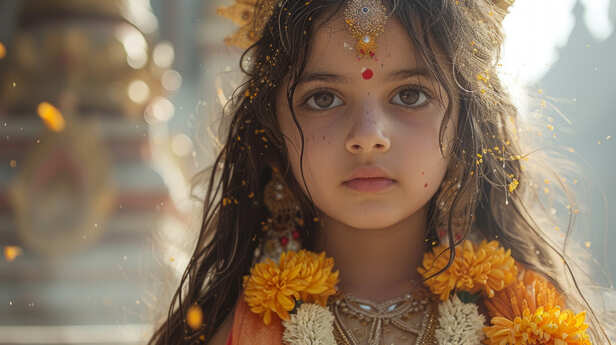
Young Goddess Parvati in the Himalayas
Image credit : Freepik
Goddess Sati was reborn as Parvati, the daughter of King Himavan and Queen Mena. From a young age, Parvati carried a deep spiritual connection with Lord Shiva. As she grew older, she decided to dedicate her life to winning Shiva's heart through devotion rather than worldly comforts. Her determination became an example of patience, faith, and unconditional love.
The Penance That Changed Everything
Why Sawan Became Shiva's Favourite Month
Why Unmarried Women Worship Lord Shiva
The Spiritual Meaning Behind Sawan
The Lesson Every Devotee Can Take Home
Unlock insightful tips and inspiration on personal growth, productivity, and well-being. Stay motivated and updated with the latest at My Life XP.