Why Lord Rama Did Not Regret the Past: A Powerful Lesson
Noopur Kumari | Aug 25, 2026, 11:00 IST
The most powerful lesson may not be about how Lord Rama defeated Ravana. It may be about how he responded to situations he could not change. Rather than becoming trapped in blame, regret or endless “what if” questions, Rama continued to fulfil his responsibilities. This does not mean ignoring pain or pretending difficult events never happened. It means refusing to allow the past to control the present. This timeless perspective can change how we deal with mistakes, setbacks, relationships and uncertainty in everyday life.

Lord Rama Never Asked “Why Me
Image credit : ChatGPT(ai)
Have you ever wondered what would happen if we stopped replaying every painful moment in our minds? One mistake happens, one decision goes wrong, and suddenly we spend days asking, “Why did I do that?” “Why did this happen to me?” or “What if I had chosen differently?” The Ramayana offers a powerful way to look at this habit. Lord Rama faced exile, separation, loss and uncertainty, yet his story is not defined by endless regret. Instead, his actions remind us of something deeply relevant today: you cannot change yesterday, but you can choose what you do with today.
![Lord Rama Accepting Exile]()
Imagine being told that you must leave your kingdom and live in the forest. For most people, such news would bring anger, fear and countless questions. Yet Rama's response is remembered for his acceptance of dharma and responsibility. He did not spend his journey repeatedly asking why fate had chosen him. His life moved forward because he focused on what had to be done next. This is not a message that pain should be ignored. Instead, it teaches us that difficult circumstances do not have to become permanent prisoners of the mind.
![Breaking Free From Regret]()
A person can spend hours thinking about a decision that happened years ago. What if I had taken another job? What if I had trusted someone else? What if I had reacted differently? These questions can feel productive, but repeated endlessly, they change nothing. The past can teach us, but it cannot be rewritten. The lesson inspired by Rama's conduct is to take wisdom from an experience and then return to the present. Reflection should help you grow, not become a punishment you repeat every night.
The real strength of Rama is not that difficult situations never touched his life. They did. He experienced separation from Sita, the loss of his father, exile and a devastating conflict. Yet his identity remained rooted in dharma. This distinction matters. We cannot always control what happens, but we can influence how we respond. When life does not follow our plans, anger and regret may appear naturally. The challenge is not to deny those emotions, but to prevent them from deciding every action that follows.
The popular story of the golden deer and Sita's abduction is often discussed through the lens of blame: What if Sita had not asked for the deer? What if Lakshmana had not left the hut? Such questions can help us understand the story, but endlessly blaming characters does not change what happened next. The larger lesson is about consequences and moving forward. Life works similarly. A decision may have consequences, but remaining trapped in self-blame cannot undo them. Wisdom begins when we ask a better question: “What can I do now?”
There is a difference between learning from the past and living inside it. If you made a mistake, identify what it taught you. If someone hurt you, understand what boundary you need next time. If an opportunity was lost, ask what the experience revealed about your priorities. Then return to the present. This approach does not erase responsibility. In fact, it strengthens it. The past becomes useful when it gives you wisdom for the next decision. It becomes harmful when the same memory repeatedly consumes your attention without leading to meaningful action.
A simple practice can change the way you respond to difficult thoughts. When you catch yourself replaying the past, pause and ask: “Can I change this right now?” If the answer is no, identify the lesson and bring your attention back to something within your control. Then ask another question: “What is the next right action?” It could be making a phone call, completing your work, apologising, resting or simply taking a breath. Small actions bring the mind back from imaginary versions of yesterday and tomorrow into the reality of today.
The title Maryada Purushottama reflects Rama's idealised embodiment of dharma, dignity and righteous conduct in Hindu tradition. His story is powerful because he was not placed in a life without difficulties. His greatness is shown through how he carried himself through them. That is perhaps the message modern life needs most. You may not be able to control yesterday's mistakes or tomorrow's uncertainty. But you can give your attention to the decision standing in front of you today. When the present is handled with awareness and responsibility, the past becomes a lesson rather than a prison.
Unlock insightful tips and inspiration on personal growth, productivity, and well-being. Stay motivated and updated with the latest at My Life XP
Rama Faced Exile Without Living in Regret
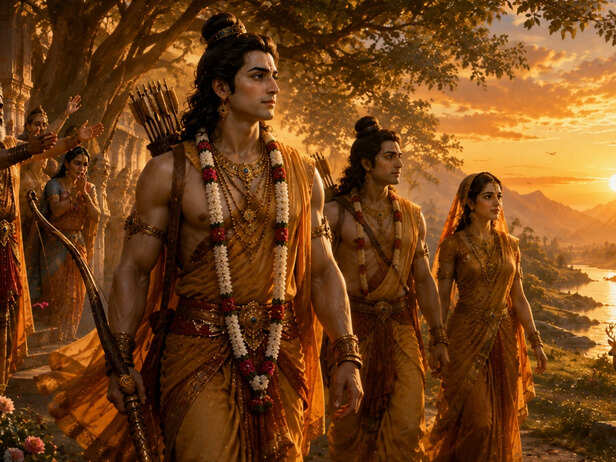
Lord Rama Accepting Exile
Image credit : ChatGPT(ai)
Imagine being told that you must leave your kingdom and live in the forest. For most people, such news would bring anger, fear and countless questions. Yet Rama's response is remembered for his acceptance of dharma and responsibility. He did not spend his journey repeatedly asking why fate had chosen him. His life moved forward because he focused on what had to be done next. This is not a message that pain should be ignored. Instead, it teaches us that difficult circumstances do not have to become permanent prisoners of the mind.
The “What If” Trap Steals Today
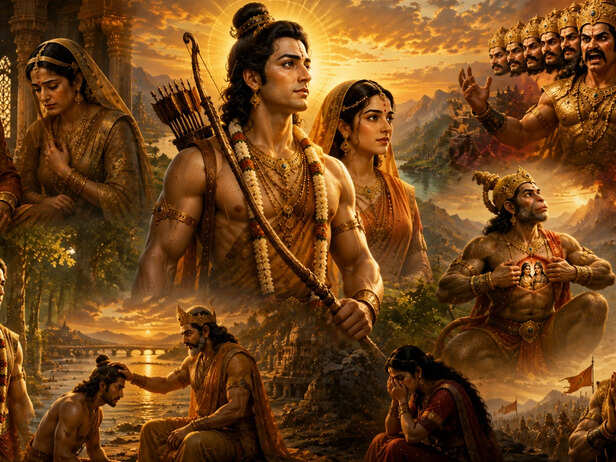
Breaking Free From Regret
Image credit : ChatGPT(ai)
A person can spend hours thinking about a decision that happened years ago. What if I had taken another job? What if I had trusted someone else? What if I had reacted differently? These questions can feel productive, but repeated endlessly, they change nothing. The past can teach us, but it cannot be rewritten. The lesson inspired by Rama's conduct is to take wisdom from an experience and then return to the present. Reflection should help you grow, not become a punishment you repeat every night.
Rama’s Strength Was in His Response
Sita and Lakshmana Teach Another Lesson
Turn Regret Into a Lesson
Protect Your Present Energy
The Real Meaning of Purushottama
Unlock insightful tips and inspiration on personal growth, productivity, and well-being. Stay motivated and updated with the latest at My Life XP