Why Lord Vishnu Sleeps for 4 Months: The Hidden Truth of Chaturmas
Noopur Kumari | Jul 21, 2026, 15:00 IST
Devshayani Ekadashi marks the beginning of Chaturmas, a sacred four-month period dedicated to prayer, fasting, charity, and self-control. Scriptures describe it as the time when Lord Vishnu enters Yoga Nidra while continuing to protect the universe. Devotees believe that sincere worship, simple living, and spiritual discipline during Chaturmas bring immense blessings and help purify the mind, body, and soul.

Lord Vishnu Sleeps for 4 Month
Image credit : ChatGPT(AI)
Every year, millions of devotees observe Devshayani Ekadashi, believing it marks the beginning of one of the most spiritually powerful periods in Hinduism. According to sacred scriptures, this is the day when Lord Vishnu enters Yoga Nidra, or divine cosmic sleep, for four months. But why does the Preserver of the Universe rest? And why are these four months considered so important for spiritual growth? The answers reveal a timeless message about self-discipline, devotion, and inner transformation.
The Beginning of
![Lord Vishnu Resting on Sheshnag]()
Devshayani Ekadashi falls during the Shukla Paksha of Ashadha month and marks the official beginning of Chaturmas. According to Hindu tradition, Lord Vishnu enters Yoga Nidra on this day and remains in divine rest until Devutthana Ekadashi in Kartik. These four months are considered especially favourable for spiritual practices, self-discipline, and devotion, making them one of the holiest periods of the Hindu calendar.
![Cosmic Form of Lord Vishnu]()
Yoga Nidra is not ordinary sleep. Hindu scriptures describe it as a divine state in which Lord Vishnu continues to sustain creation while entering deep cosmic meditation. His Yoga Nidra represents balance, preservation, and the natural rhythm of the universe. During this sacred period, devotees are encouraged to slow down, reflect on their actions, and strengthen their connection with God through prayer and righteous living.
According to traditional beliefs, Lord Krishna explained the significance of Chaturmas to King Yudhishthira. He described these four months as a time when sincere devotion carries extraordinary spiritual value. Scriptures also mention that one divine form of Lord Vishnu remains with King Bali while another rests upon Sheshnag in Kshira Sagara. These symbolic stories highlight the importance of faith, humility, and unwavering devotion.
Many devotees follow special spiritual disciplines during Chaturmas. These may include observing Ekadashi fasts, increasing daily prayers, chanting Vishnu mantras, reading sacred scriptures, practising charity, and following a simple vegetarian diet. The purpose is not merely to perform rituals but to develop self-control, compassion, and purity of mind. These practices help devotees focus more deeply on spiritual growth.
Hindu scriptures describe Chaturmas as a highly auspicious period for earning spiritual merit through sincere devotion. Devotees believe that regular worship, acts of kindness, fasting, and prayer during these months strengthen faith and bring inner peace. Rather than focusing only on material desires, Chaturmas encourages people to cultivate patience, gratitude, and devotion that continue long after the sacred season ends.
Not everyone can observe strict fasting, but anyone can participate in the spirit of Chaturmas. Offering Tulsi leaves to Lord Vishnu, chanting "Om Namo Bhagavate Vasudevaya," reading the Bhagavad Gita or Vishnu Sahasranama, practising honesty, helping those in need, and avoiding negative habits are simple yet meaningful ways to observe this sacred period with devotion.
The deeper purpose of Chaturmas is not simply observing rituals but transforming one's thoughts, habits, and character. As Lord Vishnu enters Yoga Nidra, devotees are reminded to awaken their own spiritual awareness. These four months become an opportunity to replace anger with patience, greed with generosity, and distraction with devotion, creating lasting positive changes that extend far beyond the festival season.
Unlock insightful tips and inspiration on personal growth, productivity, and well-being. Stay motivated and updated with the latest at My Life XP.
The Beginning of Chaturmas
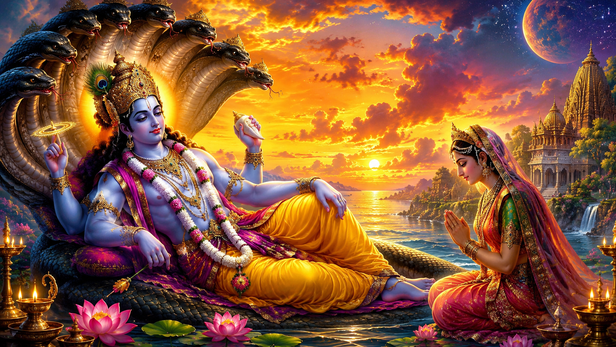
Lord Vishnu Resting on Sheshnag
Image credit : ChatGPT(AI)
Devshayani Ekadashi falls during the Shukla Paksha of Ashadha month and marks the official beginning of Chaturmas. According to Hindu tradition, Lord Vishnu enters Yoga Nidra on this day and remains in divine rest until Devutthana Ekadashi in Kartik. These four months are considered especially favourable for spiritual practices, self-discipline, and devotion, making them one of the holiest periods of the Hindu calendar.
Why Lord Vishnu Enters Yoga Nidra
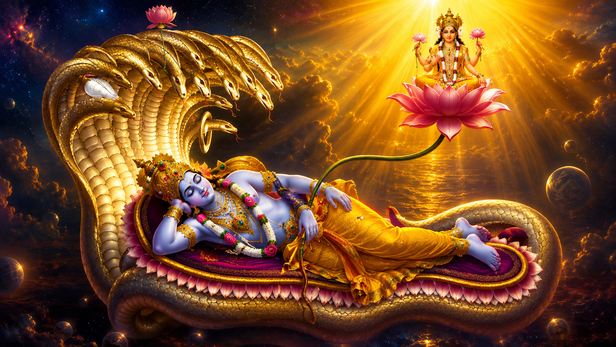
Cosmic Form of Lord Vishnu
Image credit : ChatGPT(AI)
Yoga Nidra is not ordinary sleep. Hindu scriptures describe it as a divine state in which Lord Vishnu continues to sustain creation while entering deep cosmic meditation. His Yoga Nidra represents balance, preservation, and the natural rhythm of the universe. During this sacred period, devotees are encouraged to slow down, reflect on their actions, and strengthen their connection with God through prayer and righteous living.
The Story Behind This Sacred Period
Why Devotees Observe Special Rules
The Spiritual Benefits of Chaturmas
Simple Practices Anyone Can Follow
A Time to Transform from Within
Unlock insightful tips and inspiration on personal growth, productivity, and well-being. Stay motivated and updated with the latest at My Life XP.