
Why Nobody Talks About This Beautiful Kali Tradition
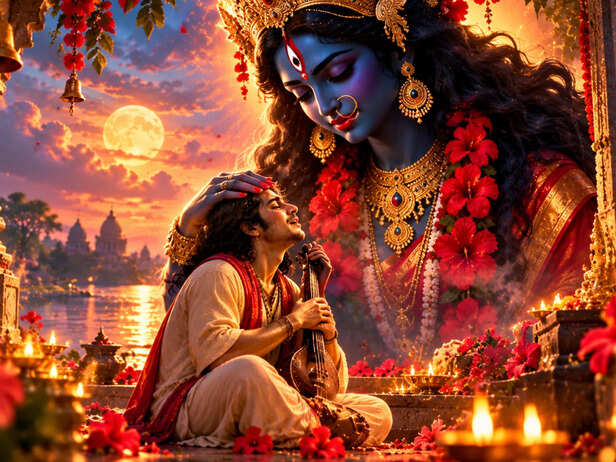
If you have never heard Shyama Sangeet, you may be missing one of the most intimate expressions of Maa Kali bhakti. In this Bengali devotional tradition, Kali is not approached only as a powerful goddess. She is addressed as Ma someone a devotee can speak to, question, complain to, cry before and finally surrender to. The songs turn devotion into a deeply personal conversation. Their words can sound simple, but behind them is a long cultural tradition shaped by poets, saints and singers who carried Bengali devotional music from one generation to another.
When Kali Became “Ma”
The heart of Shyama Sangeet lies in a simple change of relationship. Instead of approaching Kali only with formal worship, the devotee speaks to her as a child speaks to its mother. The songs can carry love, pain, frustration, surrender and even playful complaints. This emotional language gives Kali bhakti a very personal character. The goddess remains powerful, but the devotee does not remain distant from her. In the world of Bengali devotional music, this closeness became one of the defining features of Shyama Sangeet and helped it remain meaningful beyond the temple or ritual space.
Ramprasad Sen Gave It a Voice
In 18th-century Bengal, Ramprasad Sen became closely associated with songs dedicated to Maa Kali. His devotional poetry did not present faith as something distant or formal. His songs gave words to personal struggles, longing and surrender. This helped shape the emotional identity of Shyama Sangeet. Ramprasad's work is remembered for bringing the everyday emotions of a devotee into Kali worship. Instead of hiding human weakness, the songs could place it directly before the Divine Mother. That honesty is one reason his compositions continued to resonate with Bengali families and devotees long after his lifetime.
Devotion Here Sounds Like a Conversation
A Shyama Sangeet performance can feel very different from a conventional devotional song. The devotee may ask Maa Kali a question, describe personal suffering, express disappointment or surrender everything at her feet. That emotional range is what gives Kali bhakti its distinctive voice in Bengal. The songs do not require the devotee to hide difficult feelings. Instead, those feelings become part of the relationship with the Divine Mother. This makes Bengali devotional music especially intimate: the singer is not simply praising a distant deity but speaking from a place of vulnerability, trust and emotional connection.
Kamalakanta Continued the Tradition
The tradition did not end with Ramprasad Sen. Kamalakanta Bhattacharya became another important poet associated with Kali devotion, adding his own emotional and spiritual expression to the tradition. His songs continued the intimate relationship between devotee and goddess that had become central to Shyama Sangeet. The poetry could move between longing, surrender, struggle and devotion. Together, the works of Ramprasad and Kamalakanta helped establish a lasting body of Kali devotional songs in Bengal. Their influence also reached spiritual figures who found these compositions meaningful in their own practices of devotion.
Sri Ramakrishna Found Kali in These Songs
The connection between Shyama Sangeet and Sri Ramakrishna Paramahamsa adds another important chapter to its story. Sri Ramakrishna was deeply devoted to Maa Kali and used songs by Ramprasad Sen and Kamalakanta Bhattacharya as part of his devotional life. For him, these songs were more than entertainment; they could become a way of expressing intense love for the Divine Mother. His association with these compositions helped preserve their spiritual importance in Bengal. It also shows how Bengali devotional music could move between homes, temples, spiritual communities and individual devotional practice.
Pannalal Bhattacharya Took It to Homes
Generations later, singers such as Pannalal Bhattacharya gave many traditional compositions a powerful musical identity. His recordings helped Shyama Sangeet reach listeners far beyond the settings where these songs were originally composed. During Kali Puja, the music could become part of the atmosphere in homes, community celebrations and family gatherings. For many Bengali listeners, these songs are connected with memories of childhood, festivals and family traditions. That is why Shyama Sangeet survives not only as a religious tradition but also as a cultural memory passed from parents and grandparents to younger generations.
Why Shyama Sangeet Still Feels Personal
The lasting appeal of Shyama Sangeet may come from something very human: it gives people permission to bring their real emotions into devotion. You do not have to sound perfect or hide your worries. You can approach Maa Kali with fear, hope, anger, love or surrender. That is what makes this Bengali devotional music tradition feel alive even today. During Kali Puja, an old recording playing in a home can bring back memories as strongly as a familiar smell or family photograph. Shyama Sangeet is therefore more than music—it is a living part of Bengal's emotional and devotional memory.
Unlock insightful tips and inspiration on personal growth, productivity, and well-being. Stay motivated and updated with the latest at My Life XP