
Why Only Newly Married Women Celebrate Madhushravani
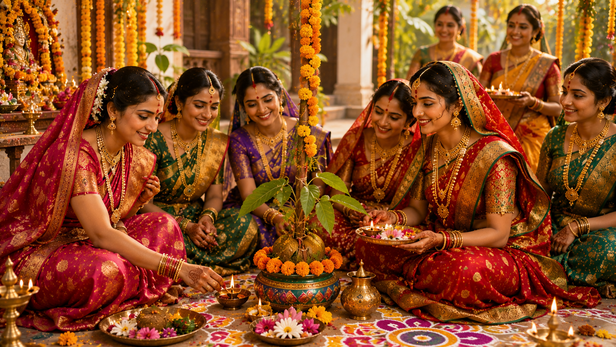
Every year during the holy month of Sawan, a beautiful tradition quietly comes alive in the Mithila region. While millions worship Lord Shiva, newly married women return to their parental homes to celebrate a unique 14-day festival called Madhushravani. Filled with flowers, folk songs, sacred stories, and deep devotion, this festival is much more than a ritual. It celebrates love, marriage, family, and the blessings of Lord Shiva and Goddess Parvati. Although once celebrated in every Mithila household, this centuries-old tradition is slowly fading, making its story more important than ever.
A Festival Reserved for Newlyweds
Unlike most Hindu festivals, Madhushravani is observed only by newly married women, usually during the first year after marriage. As the month of Sawan begins, daughters return to their parental homes, where family members welcome them with love and blessings. This tradition strengthens family bonds while preparing the newlywed for a harmonious married life through devotion, discipline, and cultural learning passed down across generations.
The Fourteen-Day Sacred Journey
For fourteen consecutive days, women wake up early, dress like brides, and gather fresh flowers from nearby gardens while singing traditional Mithila folk songs. Every evening, they arrange these flowers beautifully on decorated bamboo trays. The following morning, these flowers are offered during the worship of Lord Shiva, Goddess Parvati, and Pisri deities, whose sacred clay figures are lovingly crafted by hand at home. Each day brings new prayers, stories, and spiritual lessons.
Stories That Keep Traditions Alive
One of the most meaningful parts of Madhushravani is the daily storytelling tradition. Elder women narrate ancient tales connected with Lord Shiva, Goddess Parvati, devotion, marriage, and family values. These stories are not simply rituals but lessons about patience, commitment, respect, and faith. Through this oral tradition, generations preserve Mithila's rich cultural heritage while strengthening the emotional connection between daughters, mothers, and grandmothers.
The Rituals Hidden Behind Every Flower
During the festival, participants follow specific traditions with great discipline. Certain foods are avoided throughout the fourteen-day observance, reflecting self-control and spiritual purity. Handmade clay idols are worshipped with freshly collected flowers each day. On the festival's final day, the beautifully decorated flower basket is ceremonially immersed, symbolising gratitude, new beginnings, and prayers for a joyful, blessed married life.
Why This Tradition Is Slowly Disappearing
Urban lifestyles, changing family structures, and busy schedules have gradually reduced the celebration of Madhushravani. Many young couples now live away from their hometowns, making it difficult to observe the complete fourteen-day tradition. Yet families who continue celebrating believe the festival keeps alive not only religious faith but also the cultural identity of Mithila, ensuring that future generations remain connected to their roots.
A Festival That Celebrates More Than Marriage
Madhushravani is much more than a festival for newly married women. It is a celebration of faith, family, tradition, and lifelong companionship. Through flowers, prayers, fasting, songs, and sacred stories, it teaches that marriage is strengthened not only by love but also by patience, respect, and shared spiritual values. In a fast-changing world, this beautiful festival reminds us that some traditions deserve to be remembered, preserved, and proudly celebrated.
Unlock insightful tips and inspiration on personal growth, productivity, and well-being. Stay motivated and updated with the latest at My Life XP