
Why Ravana Has Only 9 Heads in This Ramayana Trailer
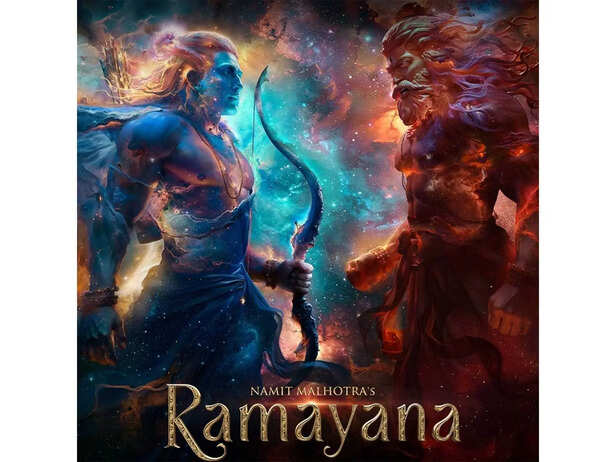
Ever since the trailer of Namit Malhotra's Ramayana was released, most conversations have focused on its breathtaking visuals, VFX, and massive scale. But beyond the stunning graphics lies something even more fascinating. The trailer quietly hides layers of symbolism that many viewers may have missed. One of the biggest mysteries is Ravana's appearance. Why doesn't he always appear with ten heads? Is it a creative choice, or does it carry a deeper meaning rooted in the Ramayana itself? The answer reveals a thoughtful vision that goes far beyond visual spectacle.
Ravana's Heads Tell a Different Story
Instead of repeatedly showing Ravana with ten physical heads, the trailer appears to represent his personality through the ten inner vices traditionally associated with him. This interpretation shifts the focus from appearance to character. Rather than relying only on visual effects, the film seems to portray Ravana's flaws through his actions, expressions, and choices. It creates a more grounded and psychological version of the legendary king while staying connected to symbolic interpretations found in Hindu traditions.
The Nine Flaws Hidden in Plain Sight
The trailer seems to associate Ravana with several negative qualities through different moments. His arrogance appears when he claims authority. Hatred is reflected in his violence. Pride, jealousy, attachment, lust, anger, and emotional insensitivity emerge through separate scenes. Interestingly, only nine symbolic flaws seem visible throughout the trailer. The tenth vice, often interpreted as fear, appears absent. This could suggest that Ravana's deepest fear has not yet surfaced and may become central only in the next chapter of the story.
The Dance Sequence Hides a Clever Detail
One of the trailer's most subtle visual moments comes during the royal court performance. As the central dancer wears a mask and the surrounding performers stand in formation, they briefly create the illusion of Ravana's many heads. Before viewers can fully process the image, the scene quickly cuts back to Ravana himself. This artistic transition appears intentional, suggesting that the filmmakers are using symbolism instead of literal imagery to communicate Ravana's legendary identity.
The Final Shloka Changes Everything
The trailer ends with the powerful verse, "Ramaya Ramabhadraya Ramachandraya Vedhase, Raghunathaya Nathaya Sitayah Pataye Namah," from the Shri Rama Raksha Stotram. Rather than ending with action alone, this sacred chant reminds viewers that the film is ultimately about Lord Rama's righteousness, protection, and divine purpose. It creates a spiritual conclusion that balances the darkness represented by Ravana with the light represented by Dharma.
What This Trailer Really Suggests
If this interpretation is correct, the trailer hints that the filmmakers want audiences to understand characters through philosophy as much as visual grandeur. Ravana is presented not only as a powerful king but also as a symbol of human weaknesses. His missing tenth vice, fear, may only emerge when he finally confronts Lord Hanuman and Lord Rama. This layered storytelling encourages viewers to look beyond visual effects and appreciate the spiritual themes embedded within the epic.
Why These Hidden Details Matter
Modern audiences often notice impressive CGI before deeper storytelling. However, meaningful symbolism gives a film lasting emotional value. Whether every interpretation proves intentional or not, exploring these visual clues makes the viewing experience richer and encourages meaningful conversations about one of India's greatest epics. Sometimes, the most memorable part of a trailer is not what it openly shows, but what it quietly asks us to discover.
Unlock insightful tips and inspiration on personal growth, productivity, and well-being. Stay motivated and updated with the latest at My Life XP