Why Shiva Needs Your Water Less Than You Think
Noopur Kumari | Aug 18, 2026, 15:00 IST
A simple stream of water can carry a surprisingly deep message. Water falls continuously, but the human mind rarely remains steady for long. One moment we are focused, and the next we are distracted. One day we practise something with dedication, and the next day we stop. Through the symbolism of Jal Abhishek, the steady flow of water can be viewed as a reminder of abhyasa, or continued practice. The ritual can also inspire us to develop patience and self-control. Perhaps the most beautiful lesson is this: the water is offered to Shiva, but the transformation begins within the person making the offering.

Do We Offer Water to Shiva
Image credit : ChatGPT (AI)
Why does Shiva need the water that devotees offer every day? According to Hindu tradition, Shiva is Adiyogi, the source of yogic wisdom, while Ganga herself is believed to flow from his matted locks. So the question becomes even more fascinating: if the divine does not need our water, then who is this ritual really transforming? The deeper meaning of Jal Abhishek is not simply about pouring water over a Shivling. It can be understood as a symbolic lesson in attention, discipline, patience, consistency and surrender. The water falling on Shiva may actually be reminding us to look within ourselves.
![Divine Form of Lord Shiva with Sacred Symbols]()
Imagine standing before a Shivling with a small vessel of water in your hands. You pour it slowly and watch the stream fall over Shiva. But Shiva, regarded in Hindu tradition as Adiyogi and the Supreme Consciousness, does not depend on that water. So why offer it? The deeper spiritual interpretation turns the question around. The ritual may not be about giving Shiva something he lacks. It may be about transforming something within us. The water becomes an expression of devotion, while the act of offering encourages the mind to pause, focus and become present.
![Continuous Water Stream Falling on Shivling]()
Water is naturally fluid. It moves, changes direction and can easily break into drops. Yet when it falls as a steady stream, it creates continuity. This becomes a beautiful metaphor for the human mind. Our attention often behaves like scattered water. We begin one task, become distracted, switch to another and lose our original intention. Watching a continuous stream during Jal Abhishek can remind us of the value of one-pointed attention. The goal is not merely to perform a ritual quickly. It is to allow the mind to become quieter while the water keeps flowing.
In traditional Shiva worship, devotees may offer milk along with water and other sacred substances. Beyond the ritual itself, these offerings can be viewed symbolically. Discipline is not about forcing yourself to be perfect every day. It is about returning to the practice even when motivation disappears. Just as a ritual is repeated with devotion, personal growth also requires repetition. You may meditate today and struggle tomorrow. You may begin a good habit and then break it. The important lesson is not to abandon the journey because the flow was interrupted. Returning to the practice is itself part of the practice.
Sometimes the water stream remains continuous. Sometimes it breaks into separate drops. That simple image can mirror our own lives. We lose concentration. We become impatient. We stop practising. We feel we have failed. But a broken flow does not mean the journey is finished. In yogic thought, repeated practice is essential. The lesson is beautifully simple: do not mistake interruption for defeat. If your attention wanders, bring it back. If you miss a day, begin again. If your mind becomes restless, return to your intention. Spiritual growth does not demand perfection. It asks for sincere effort.
We live in a world that expects immediate results. We want quick success, instant answers and visible transformation. But water teaches something different. A steady stream does not hurry, yet it keeps moving. This can become a powerful reminder of patience. Some changes in life need time. Emotional strength, discipline, wisdom and inner peace cannot always be measured immediately. The Shivling ritual can therefore become a moment to slow down and accept that not everything has to happen according to our timetable. Sometimes the most important progress is happening quietly, long before we can see its result.
Hindu tradition beautifully connects Ganga with Shiva, describing the sacred river as descending from heaven and being held in Shiva's matted locks. This creates a striking image of water, movement and divine consciousness coming together. Ganga does not symbolically flow toward Shiva because he is incomplete without her. Instead, her presence becomes part of a sacred relationship between nature, devotion and the divine. For a devotee, this can make Jal Abhishek feel deeply personal. The flowing water can represent surrender, purification and the willingness to keep moving forward, even when the path is difficult.
Perhaps the most powerful part of Jal Abhishek is not the water itself. It is the attention you bring while offering it. If the hands perform the ritual while the mind is somewhere else, the deeper opportunity may be missed. But when you pause, breathe and become fully present, the ritual can become a moment of inner reflection. The water falls on the Shivling, but the lesson falls on the mind. It teaches focus when you are distracted, patience when you are restless and consistency when you want to give up. That is where a simple ritual can become a personal practice.
The next time you offer water to Shiva, look at the stream for a moment. Do not rush to finish the ritual. Notice how the water continues falling without demanding an immediate result.
Let it remind you to return when your attention breaks. Stay patient when life moves slowly. Continue when motivation disappears. And remember that devotion is not only about what you place before Shiva, but also about what you cultivate within yourself.
Unlock insightful tips and inspiration on personal growth, productivity, and well-being. Stay motivated and updated with the latest at My Life XP
Shiva Does Not Need Your Water
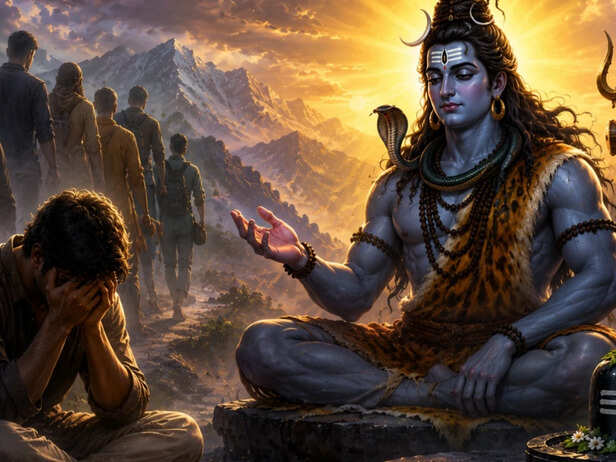
Divine Form of Lord Shiva with Sacred Symbols
Image credit : CHATGPT(AI)
Imagine standing before a Shivling with a small vessel of water in your hands. You pour it slowly and watch the stream fall over Shiva. But Shiva, regarded in Hindu tradition as Adiyogi and the Supreme Consciousness, does not depend on that water. So why offer it? The deeper spiritual interpretation turns the question around. The ritual may not be about giving Shiva something he lacks. It may be about transforming something within us. The water becomes an expression of devotion, while the act of offering encourages the mind to pause, focus and become present.
Water Teaches the First Lesson: Focus
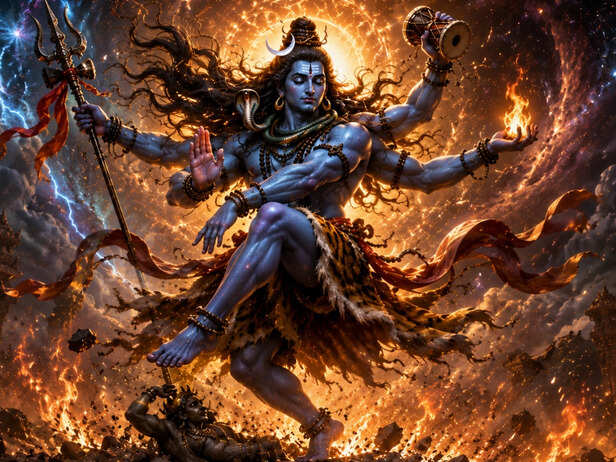
Continuous Water Stream Falling on Shivling
Image credit : ChatGPT (AI)
Water is naturally fluid. It moves, changes direction and can easily break into drops. Yet when it falls as a steady stream, it creates continuity. This becomes a beautiful metaphor for the human mind. Our attention often behaves like scattered water. We begin one task, become distracted, switch to another and lose our original intention. Watching a continuous stream during Jal Abhishek can remind us of the value of one-pointed attention. The goal is not merely to perform a ritual quickly. It is to allow the mind to become quieter while the water keeps flowing.
Milk Symbolises Discipline
When the Flow Breaks, Begin Again
Patience Cannot Be Rushed
Ganga Adds Another Layer
The Real Offering Is Your Attention
The Flow Outside Can Change the Flow Within
Let it remind you to return when your attention breaks. Stay patient when life moves slowly. Continue when motivation disappears. And remember that devotion is not only about what you place before Shiva, but also about what you cultivate within yourself.
Unlock insightful tips and inspiration on personal growth, productivity, and well-being. Stay motivated and updated with the latest at My Life XP