
Why Silent Navratri Worship Is More Powerful Than You Think
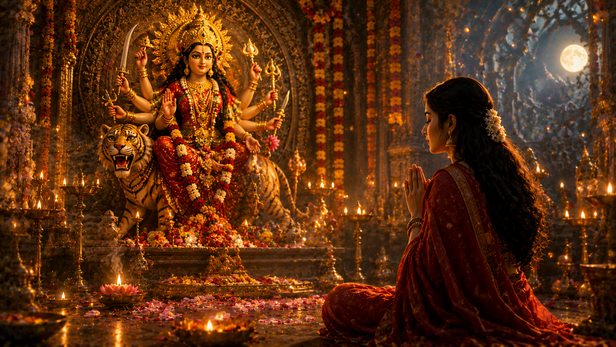
Every Navratri, millions of devotees fast, chant mantras, and worship Goddess Durga with complete faith. Yet, many people unknowingly miss one important spiritual principle that saints and scriptures have quietly followed for generations. It has nothing to do with expensive offerings or elaborate rituals. Instead, it is about the way you perform your devotion. Some believe that the most powerful Navratri blessings come when your worship remains known only to you and the Divine. Could this forgotten practice be the missing key to a more meaningful spiritual experience?
Make a Sacred Sankalp
Every spiritual journey begins with intention. During Navratri, many devotees take a sankalp to recite the Durga Saptashati nine times or complete 108 path throughout the festival, depending on their tradition and ability. The purpose is not simply to finish a number but to build discipline, devotion, and consistency. When your promise comes from the heart, every prayer becomes more meaningful. A sincere sankalp reminds you that spiritual growth happens through daily dedication rather than occasional worship.
Offer Bhog With Pure Devotion
Many devotional traditions recommend offering simple items such as a small amount of mishri, two cloves, and two cardamoms to the Goddess. These offerings are valued not because of their cost but because they symbolize sweetness, purity, and heartfelt devotion. After the puja, devotees respectfully accept the offering as prasad. The true value of bhog lies in the devotion behind it. Even the simplest offering becomes sacred when presented with complete faith.
The Quiet Power of Hidden Devotion
Many spiritual teachers encourage devotees to keep their personal sadhana private whenever possible. This is not because worship should be hidden out of fear, but because quiet devotion helps protect focus and sincerity. When spiritual practice is done without seeking attention or praise, the mind stays connected to prayer instead of outside opinions. Private devotion often becomes more personal, peaceful, and meaningful because the relationship remains only between the devotee and the Divine.
Why Silence Protects Your Focus
Sharing every spiritual practice with others may sometimes invite unnecessary distractions, comparisons, or expectations. Keeping your Navratri worship personal allows your energy to remain centered on devotion rather than validation. Silence creates space for reflection, gratitude, and inner peace. Instead of wondering what others think, your attention stays fixed on Maa Durga. That uninterrupted focus can make your prayers feel more sincere throughout the nine sacred days.
Faith Is More Powerful Than Ritual
Choose one fixed time every day for your prayers. Begin by remembering Maa Durga with gratitude, offer your simple bhog, complete your chosen recitation, and spend a few moments in silent reflection. Avoid rushing through your worship. Instead, focus on every mantra and every prayer with full attention. A consistent daily routine helps transform Navratri from a festival into a deeply personal spiritual journey that continues long after the nine days end.
The Greatest Offering Is Your Heart
Navratri is not only about fasting, chanting, or completing rituals. It is about building a stronger relationship with the Divine through faith, discipline, humility, and inner transformation. Whether you choose to complete nine recitations or 108 path according to your tradition, remember that devotion becomes most powerful when it is sincere and free from the desire for recognition. Sometimes, the prayers that remain between you and Maa Durga become the ones that transform your heart the most.
Disclaimer This article is based on traditional beliefs and is intended for informational purposes only.
Unlock insightful tips and inspiration on personal growth, productivity, and well-being. Stay motivated and updated with the latest at My Life XP.