
The Nine Forms of Goddess Durga: What Each Day of Navratri Teaches Us
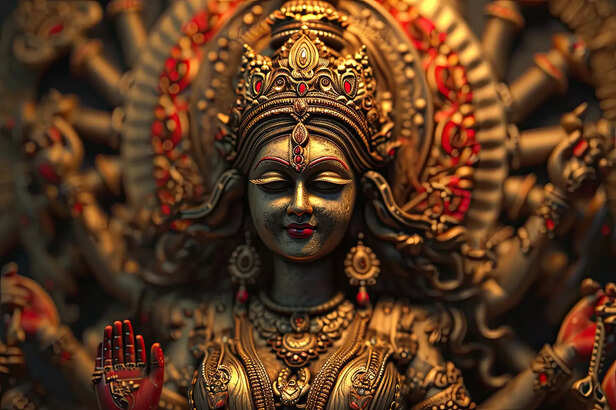
Navratri is one of the most celebrated Hindu festivals, observed with devotion, dance, fasting, and prayers. But beyond rituals and festivity lies a deeper spiritual meaning. Each of the nine days is dedicated to one form of Goddess Durga, known as Navdurga, representing unique qualities that guide us in life. From courage and devotion to prosperity and ultimate liberation, these divine forms offer timeless lessons that are as relevant today as they were in ancient times. Let’s explore the nine forms of Durga and the life values they inspire.
1. Day 1 – Shailaputri: The Power of Courage
Shailaputri, “Daughter of the Mountain,” represents strength and grounding. She rides a bull and holds a trident, symbolizing determination. Life Lesson: Just like mountains stand tall against storms, we too must face challenges with courage and stability.
2. Day 2 – Brahmacharini: The Path of Devotion
Brahmacharini embodies penance, discipline, and devotion. She is worshipped as the epitome of spiritual pursuit and determination. Life Lesson: Success, whether spiritual or worldly, demands perseverance, patience, and unwavering focus.
3. Day 3 – Chandraghanta: The Balance of Peace and Strength
Adorned with a half-moon, Chandraghanta is a warrior goddess who fights evil yet blesses her devotees with peace. Life Lesson: True power lies in balancing strength with calmness, standing firm yet radiating peace in daily life.
4. Day 4 – Kushmanda: The Creative Energy
Known as the cosmic creator, Kushmanda is believed to have formed the universe with her divine smile. She symbolizes energy, positivity, and creation. Life Lesson: A smile and positive outlook can light up even the darkest situations. Creativity and optimism bring new beginnings.
5. Day 5 – Skandamata: The Selfless Nurturer
Skandamata, mother of Kartikeya (Skanda), represents motherhood, compassion, and unconditional love. Life Lesson: Selflessness and nurturing others are acts of true strength. Caring for loved ones is a divine responsibility.
6. Day 6 – Katyayani: The Fierce Protector
Born to sage Katyayan, she is a warrior form who destroyed demons. She is worshipped for courage, justice, and protection. Life Lesson: Sometimes life demands fierce action, standing up for truth, fighting injustice, and protecting what is right.
7. Day 7 – Kalaratri: The Destroyer of Darkness
With a fierce form and dark complexion, Kalaratri destroys negativity, fear, and ignorance. She is also known as Shubhamkari, the bringer of auspiciousness. Life Lesson: Facing our fears and overcoming negativity is the key to growth. Darkness often precedes light.
8. Day 8 – Mahagauri: The Radiance of Purity
Mahagauri is depicted as serene and compassionate, symbolizing purity, forgiveness, and inner beauty. Life Lesson: Purity of thoughts and actions brings peace. Forgiveness is a powerful tool that cleanses the soul.
9. Day 9 – Siddhidatri: The Giver of Spiritual Fulfillment
Siddhidatri blesses devotees with wisdom, prosperity, and spiritual powers. She represents the final stage of realization and liberation. Life Lesson: Life’s ultimate goal is not material wealth but inner peace, wisdom, and spiritual awakening.
The Navdurga’s Timeless Lessons
Navratri is not just about fasting, dancing, or rituals, it is a journey of self-discovery through the nine forms of the Goddess. Each day teaches us a new virtue: courage, devotion, balance, creativity, compassion, justice, fearlessness, purity, and ultimate fulfillment. Together, they remind us that true victory lies not only in defeating external evils but also in conquering the inner struggles of doubt, fear, and ignorance. As we celebrate Navratri, may we embody these values and let the Navdurga guide us toward strength, wisdom, and liberation.
Unlock insightful tips and inspiration on personal growth, productivity, and well-being. Stay motivated and updated with the latest at My Life XP