
How Social Media Influences Our Daily Life
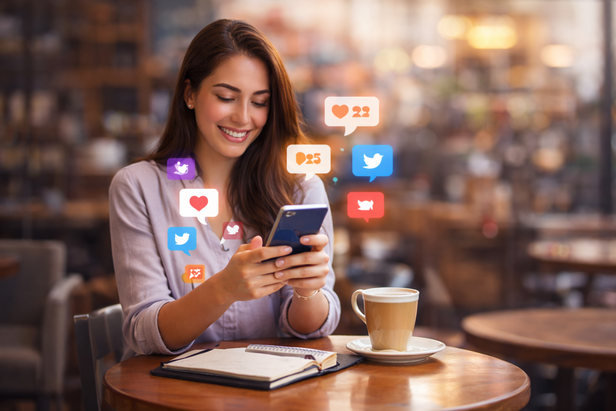
In the digital age, social media has transformed the way people communicate and access information. Almost every aspect of daily life now involves some interaction with social media platforms. Whether it is sharing moments, watching videos, reading news, or connecting with friends, social media plays a significant role in shaping modern lifestyles. While it provides convenience and connectivity, it also brings certain challenges that affect our behavior and routines.
Communication Has Become Faster and Easier
One of the biggest influences of social media is the way it has changed communication. People can now connect instantly regardless of distance. A message, photo, or video can be shared within seconds with friends, family members, or even a global audience.Social media platforms allow people to maintain relationships more easily. Video calls, instant messaging, and group chats make communication more interactive and immediate. For example, many families stay connected through messaging groups, while friends share updates and memories through posts and stories. However, this convenience sometimes reduces face to face interaction. Many people now prefer online conversations instead of meeting personally, which can gradually affect the depth of relationships.
Access to Information and News
Social media has also become a major source of information. News, educational content, and trending topics spread quickly across platforms. People often learn about important events through social media before they appear on television or newspapers. Many organizations and public figures share updates directly through their social media accounts. This allows people to stay informed about global developments, social issues, and cultural trends. Educational pages and creators also provide learning content related to health, technology, and lifestyle. At the same time, the rapid spread of information sometimes leads to misinformation. Not every piece of content shared online is accurate, so users must verify sources before believing or sharing news.
Impact on Mental Health and Self Perception
Social media can influence how people think about themselves and their lives. Constant exposure to carefully curated images and success stories may create unrealistic expectations. Some individuals begin to compare their lives with others, which can lead to feelings of dissatisfaction or stress. Excessive use of social media may also affect concentration and sleep patterns. Spending long hours scrolling through content can reduce productivity and increase mental fatigue. On the positive side, social media can provide emotional support. Online communities allow people to share experiences, discuss problems, and receive encouragement from others who may be facing similar challenges.
Influence on Lifestyle and Daily Habits
Social media significantly shapes lifestyle choices. Trends in fashion, fitness, travel, and food often spread through influencers and content creators. Many people discover new ideas, hobbies, or routines by watching videos or reading posts online. For instance, workout challenges, healthy recipes, and productivity tips often become popular because they are shared widely on social media platforms. Businesses also promote products through social media marketing, which influences consumer behavior. While these trends can inspire positive habits, they can also encourage impulsive decisions or unrealistic expectations if followed blindly.
Social media has become deeply integrated into daily life. It influences communication, information access, mental well being, and lifestyle choices. While it offers many benefits such as connectivity and knowledgsharing, excessive or careless use can create challenges. Using social media wisely is the key to maintaining a healthy balance. By managing screen time, verifying information, and focusing on meaningful interactions, individuals can enjoy the advantages of social media while minimizing its negative effects.