Instant Delivery or Instant Risk? The 10-Minute Promise Under Fire
Noopur Kumari | Fri, 02 Jan 2026
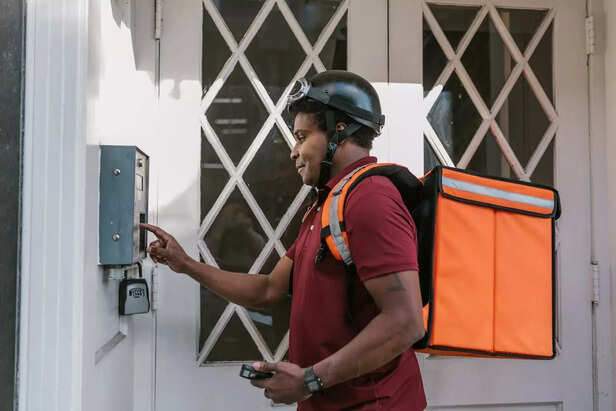
Zomato founder Deepinder Goyal marked record deliveries, while business leaders raised concerns over the need for ultra fast service. As gig workers protest rising pressure, the debate reveals a deeper story of growth, stress, and safety. The issue puts India’s instant delivery model under the spotlight, balancing speed, success, and the human cost behind every order.

Instant Delivery
Image credit : Pexels
India’s instant delivery boom hit a new high on New Year’s Eve 2025 as Zomato and Blinkit achieved record order volumes. The success came amid a nationwide gig worker strike highlighting concerns over rider safety, low pay, and work pressure. The moment intensified debate on whether ultra fast deliveries suit India’s crowded urban environment.
![Zomato Blinkit New Year Record]()
Zomato and Blinkit achieved a major milestone on December 31, 2025, delivering over 75 lakh orders across India. More than 4.5 lakh delivery partners successfully served around 63 lakh customers despite nationwide strike calls. The platforms clarified that only standard New Year incentives were offered, highlighting strong operational scale, demand resilience, and efficiency in India’s fast growing quick commerce sector.
![Gig Workers Protest India]()
Gig worker unions across India protested against low pay, job insecurity, and rising safety risks linked to rapid delivery models. They demanded a ban on 10 minute deliveries, saying strict speed expectations increase mental stress and push riders toward unsafe riding in traffic crowded cities. Many delivery partners joined the strike to demand dignity, fair wages, social security, and safer working conditions, highlighting the human cost behind instant commerce and the urgent need for responsible gig economy practices.
![Urban Traffic and Delivery Riders]()
Former Jet Airways CEO Sanjiv Kapoor raised an important question about the need for 10 minute delivery services in Indian cities. He suggested that 30 or 60 minute delivery would ease pressure on riders while still meeting customer needs. Kapoor’s comments reflect growing public concern over road safety, traffic congestion, and work stress in the gig economy. His view highlights the need to balance convenience with responsible delivery models that protect workers and suit urban realities.
Zomato founder Deepinder Goyal clarified that fast deliveries are driven by a strong network of nearby stores, not by forcing riders to rush. He said delivery apps do not show countdown timers to delivery partners, reducing pressure during orders. Goyal thanked delivery partners for their dedication and appreciated local authorities for ensuring smooth operations on New Year’s Eve. He emphasized that the gig economy creates large scale employment and works best when systems are fair, supportive, and focused on long term growth for workers.
Instant commerce is growing fast, but critics say it depends more on human effort than technology. Delivery riders work under pressure to meet quick timelines, raising concerns about safety and fair treatment. Many experts believe companies must value riders as people, not data points. Sustainable growth in the gig economy will come from balanced delivery times, safe working conditions, fair pay, and mutual respect. Speed alone cannot define success in modern delivery platforms.
Unlock insightful tips and inspiration on personal growth, productivity, and well-being. Stay motivated and updated with the latest at My Life XP.
1. Why is 10-minute delivery controversial?
Many believe ultra-fast delivery puts pressure on riders, increasing safety risks and work stress.
2. Do 10-minute deliveries affect rider safety?
Critics say tight timelines can encourage unsafe riding, especially in crowded city traffic.
3. What is the future of instant commerce?
Experts feel it must focus on fair pay, safe conditions, and respect for gig workers along with speed.
Record New Year Deliveries
Zomato Blinkit New Year Record
Image credit : Pexels
Zomato and Blinkit achieved a major milestone on December 31, 2025, delivering over 75 lakh orders across India. More than 4.5 lakh delivery partners successfully served around 63 lakh customers despite nationwide strike calls. The platforms clarified that only standard New Year incentives were offered, highlighting strong operational scale, demand resilience, and efficiency in India’s fast growing quick commerce sector.
Strike and Worker Concerns

Gig Workers Protest India
Image credit : Pexels
Gig worker unions across India protested against low pay, job insecurity, and rising safety risks linked to rapid delivery models. They demanded a ban on 10 minute deliveries, saying strict speed expectations increase mental stress and push riders toward unsafe riding in traffic crowded cities. Many delivery partners joined the strike to demand dignity, fair wages, social security, and safer working conditions, highlighting the human cost behind instant commerce and the urgent need for responsible gig economy practices.
Industry Voices Question Speed

Urban Traffic and Delivery Riders
Image credit : Pexels
Former Jet Airways CEO Sanjiv Kapoor raised an important question about the need for 10 minute delivery services in Indian cities. He suggested that 30 or 60 minute delivery would ease pressure on riders while still meeting customer needs. Kapoor’s comments reflect growing public concern over road safety, traffic congestion, and work stress in the gig economy. His view highlights the need to balance convenience with responsible delivery models that protect workers and suit urban realities.
Goyal Defends the Model
Human Cost of Convenience
Unlock insightful tips and inspiration on personal growth, productivity, and well-being. Stay motivated and updated with the latest at My Life XP.
Frequently Asked Questions (FAQs)
Many believe ultra-fast delivery puts pressure on riders, increasing safety risks and work stress.
2. Do 10-minute deliveries affect rider safety?
Critics say tight timelines can encourage unsafe riding, especially in crowded city traffic.
3. What is the future of instant commerce?
Experts feel it must focus on fair pay, safe conditions, and respect for gig workers along with speed.