
iPads Still Crush Android Tablets in 2026 and Here Is the One Thing They Dominate
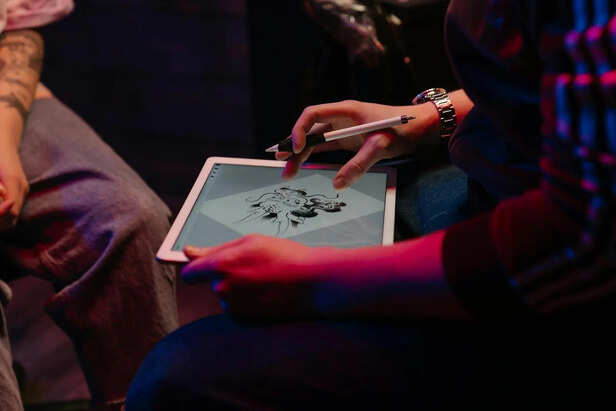
For a while, many people thought tablets would slowly disappear between smartphones and laptops. Instead, they became everyday devices for studying, streaming, drawing, gaming, editing, and working on the go. Even with stronger Android competition in 2026, iPads still continue leading the tablet market for one major reason that goes beyond just hardware. It is the overall experience. From smoother apps to longer software support and better ecosystem integration, many users still find iPads easier to rely on daily. People may debate specs constantly online, but most users simply want technology that feels effortless instead of emotionally negotiating with updates every three business days.
Why Tablets Still Matter in 2026
For a while, people questioned whether tablets even had a future.
Smartphones became larger, laptops became lighter, and many consumers struggled to understand where tablets actually fit between the two. Yet instead of disappearing, tablets quietly evolved into one of the most flexible devices people use daily.
Students use them for notes and assignments. Creators edit videos and draw digitally. Professionals join meetings and manage work on the go. Casual users stream shows, read books, browse social media, and play games for hours on them.
In 2026, tablets are no longer trying to replace laptops completely. Instead, they have become companion devices that fit naturally into modern digital life.
And despite years of competition, one reality continues standing out clearly: iPads still dominate the tablet conversation more than Android tablets.
That dominance is not only about power or branding. It comes from something less flashy but more important in daily use. Apple continues winning because the entire experience feels connected, consistent, and reliable in ways many Android tablets still struggle to match.
The Real Advantage Is Not the Hardware Alone
At first glance, many Android tablets seem competitive with iPads.
Several Android brands now offer premium displays, powerful processors, high refresh rates, stylus support, and sleek designs. Some Android tablets even outperform certain iPad models in specific hardware categories or offer lower prices for similar specifications.
Yet hardware alone no longer determines how people judge technology.
What consistently keeps iPads ahead is the overall user experience. Apps tend to feel more optimised, software updates remain consistent for years, and accessories integrate more smoothly across Apple devices.
For many users, especially younger audiences, technology matters less as individual gadgets and more as connected systems.
An iPad working seamlessly with an iPhone, MacBook, AirPods, cloud storage, messaging apps, and productivity tools creates an experience that feels simple and reliable.
That simplicity matters more than many people initially realise.
Most consumers do not spend their time benchmarking processors or comparing internal chip architecture. They care whether the device feels fast, intuitive, and dependable during everyday use.
Apple understood this years ago. Technology companies continue learning that humans prefer convenience over technical arguments approximately every six months.
App Optimisation Is Still Apple’s Biggest Win
The one area where iPads continue dominating most clearly is app optimisation.
This may sound less exciting than discussing processors or display quality, but it significantly affects everyday experience.
Many apps are designed specifically with iPads in mind. Creative tools, note-taking apps, educational platforms, editing software, and productivity applications often feel smoother and more polished on iPadOS.
Developers frequently prioritise Apple tablets because the ecosystem is more controlled and consistent. There are fewer screen ratios, fewer software variations, and more predictable performance standards compared to the wider Android tablet market.
As a result, apps on iPads often look and behave more naturally.
This becomes especially important for students, digital artists, video editors, and content creators who rely heavily on software stability.
Android tablets have improved substantially in recent years, and some premium models now offer excellent software experiences. However, inconsistencies between apps, screen scaling, and software optimisation can still affect user experience depending on the device.
For casual users, these differences may seem small initially. Over time, however, smoother app performance often becomes one of the biggest reasons people continue using iPads long term.
Students and Creators Keep Choosing iPads
One reason iPads remain highly visible is that they dominate among students and creators.
Universities, schools, and creative industries increasingly use tablets for digital workflows. Note-taking apps, stylus support, cloud syncing, and creative software all contribute to the appeal of tablets in educational and artistic spaces.
The Apple Pencil remains one of the strongest parts of the iPad ecosystem. Artists, designers, and students often praise its responsiveness and natural writing feel.
Meanwhile, apps for illustration, editing, music production, and organisation continue attracting younger audiences interested in creative work.
Many Gen Z users also appreciate portability. Tablets feel easier to carry than laptops while still offering larger screens than smartphones.
For students especially, iPads often function as hybrid devices for studying, entertainment, and personal organisation.
Android tablets absolutely exist in these spaces too, and some offer strong value for lower prices. However, iPads continue benefiting from long-term reputation and widespread adoption in schools, universities, and creative communities.
Once enough people around you use the same ecosystem, switching away starts feeling less like a tech decision and more like abandoning a digital civilisation.
Android Tablets Have Improved Dramatically
The tablet market is not completely one-sided.
Android tablets in 2026 are significantly better than they were years ago. Companies such as Samsung and others now produce premium devices with excellent screens, multitasking tools, expandable storage, and advanced customisation options.
For some users, Android tablets actually provide more flexibility than iPads.
Multitasking systems on certain Android tablets feel closer to desktop computing. Open ecosystems, file management freedom, and compatibility options appeal strongly to tech enthusiasts and power users.
Price variety also remains one of Android’s biggest advantages. Consumers can choose from budget-friendly tablets to premium flagship devices depending on their needs.
This accessibility helps Android tablets remain highly relevant globally, especially among users who want affordable entertainment or productivity devices.
However, despite these strengths, the Android tablet market still feels more fragmented compared to Apple’s unified ecosystem.
Different manufacturers, software versions, update schedules, and app experiences create inconsistency that can affect long-term user satisfaction.
Gen Z Wants Simplicity More Than Specs
Gen Z approaches technology differently from previous generations.
While older tech culture often obsessed over specifications and technical comparisons, younger users increasingly prioritise convenience, aesthetics, portability, and ease of use.
Most people do not want to troubleshoot devices constantly. They want products that integrate naturally into daily life.
This mindset benefits Apple heavily because Apple products are designed around ecosystem convenience. Messaging, cloud syncing, file sharing, device switching, and accessories often work together with minimal effort.
For younger users balancing school, content creation, entertainment, and communication simultaneously, that smoothness matters.
The iPad especially benefits because it sits at the centre of multiple digital activities. It can function as a study tool, drawing tablet, streaming device, portable workspace, and gaming screen all within one ecosystem.
Android tablets can absolutely perform many of these same functions. Yet Apple continues winning the emotional side of the experience because users often describe iPads as reliable and effortless.
Technology becomes invisible when it works properly. Ironically, that is usually when companies succeed the most.
Tablets Are Becoming Lifestyle Devices
Another reason iPads remain dominant is that tablets themselves have evolved beyond pure productivity devices.
People now use tablets emotionally as much as functionally. They stream movies in bed, journal digitally, edit travel content, read books, sketch ideas, and stay connected socially through them.
Tablets have become lifestyle devices rather than purely technical tools.
Apple understands this branding extremely well. The iPad is marketed less like a computer and more like a creative companion integrated into daily routines.
This emotional positioning resonates strongly with younger audiences who often value experience and design as much as raw functionality.
Android companies continue improving rapidly, but Apple still controls the cultural identity of tablets more effectively than competitors.
For many people, “tablet” and “iPad” still feel almost interchangeable in casual conversation. That kind of brand dominance is difficult to compete against.
Why the Gap Still Exists
The reason iPads continue dominating tablets in 2026 is not that Android tablets are bad. In fact, many Android devices now offer impressive hardware, strong multitasking, and excellent value.
The difference comes down to consistency.
Apple continues leading because its ecosystem, software optimisation, app experience, and cross-device integration feel smoother and more predictable for most users. That reliability shapes how people experience tablets daily, especially students, creators, and younger audiences balancing multiple digital activities at once.
Android tablets continue evolving and improving every year, and competition in the tablet market is stronger than it once was. Yet iPads still occupy a unique position because they successfully combine productivity, creativity, entertainment, and simplicity into one experience that feels polished from the moment users pick it up.
In the end, the biggest thing iPads dominate is not hardware specifications or marketing hype. It is the feeling that everything simply works together without demanding constant attention.
And honestly, in a world where half of modern technology occasionally requires emotional patience and three software updates just to connect to Wi-Fi, that advantage matters more than ever.
Unlock insightful tips and inspiration on personal growth, productivity, and well-being. Stay motivated and updated with the latest at My Life XP.