
No More 13 Recharges? TRAI’s New Rule Explained
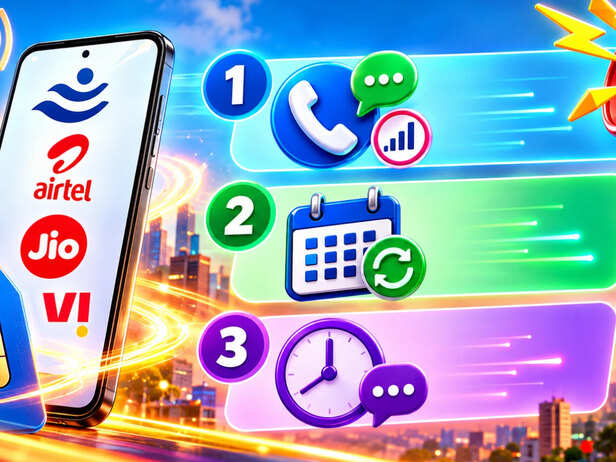
For years, many prepaid users have questioned why a “monthly” mobile recharge often lasted only 28 days. That small difference could mean making 13 recharges over a year instead of 12. Now, new TRAI recharge rules are giving prepaid users more flexibility. The changes include 30-day recharge options, monthly renewal on the same date and more voice and SMS-only plans for people who do not need mobile data. Rajya Sabha MP Raghav Chadha has welcomed the move, saying it addresses concerns he had raised about recharge cycles and limited options for non-data users.
The 28-Day Recharge Problem
The biggest change targets a familiar frustration with prepaid recharge plans. A 28-day validity period does not match a calendar month, meaning users who continuously maintain service could need around 13 recharges in 12 months. TRAI’s new framework requires telecom operators to offer a 30-day plan, giving consumers an option that more closely matches a full month. The change does not mean every existing recharge automatically becomes 30 days. Instead, operators must provide the required options so users can choose a suitable plan.
30 Days Means Fewer Recharges
The difference between 28 and 30 days may look small, but it can add up over a year. With a 30-day recharge plan, users can potentially move from 13 recharge cycles to 12 when maintaining service continuously. TRAI has also specified that every service provider should offer a plan that can be renewed on the same date every month. If that date does not exist in a particular month, the renewal can move to the last date of that month. This gives prepaid users a simpler way to manage recurring mobile recharge plans.
Data-Free Plans Get More Attention
Not everyone needs a large data allowance. Senior citizens, feature-phone users and people who already have broadband may mainly use their mobile connection for calls and messages. Under the new TRAI rules, operators must provide voice-and-SMS-only Special Tariff Vouchers corresponding to the relevant validity periods. TRAI defines these as prepaid plans offering voice and SMS without mobile data. This could give voice-only recharge users a more suitable alternative instead of choosing a plan that includes data they may barely use.
Raghav Chadha Welcomes the Move
Rajya Sabha MP Raghav Chadha welcomed the new rules, connecting them with concerns he had raised in Parliament about 28-day recharge cycles and limited affordable choices for people who do not use mobile data. He said the changes would provide greater flexibility, particularly for consumers who mainly use their phones for voice calls and SMS. TRAI officially notified the Telecom Consumers Protection (13th Amendment) Regulations, 2026 on September 22. The amendment expands the choices that telecom operators must make available to prepaid customers.
What Changes for Your Recharge?
The practical takeaway is simple: check the validity and benefits before paying for your next prepaid recharge. If you need data, compare the available bundled plans and look for the 30-day option. If you mainly need calling and SMS, check for the newly required voice and SMS-only plans. TRAI also says operators have flexibility in setting tariffs, so the regulator is not fixing one universal price for every 30-day recharge. Prices and benefits can therefore differ between telecom providers.
One Date Every Month Could Be Easier
There is another change that could quietly make life easier. TRAI says operators must offer at least one plan that can be renewed on the same date every month. That matters because users often have to remember when a 28-day validity period will expire rather than simply following the calendar. A fixed monthly renewal date can make it easier to plan expenses and avoid unexpected service interruptions. It is a small change, but for people who recharge regularly, this could make monthly mobile plans much easier to track.
A Better Choice, Not Just a New Recharge
The real benefit of the new TRAI recharge rules is not simply the number 30. It is choice. Someone who needs data can select a suitable bundled plan, while someone who only needs calls and SMS can look for a data-free option. Users can also get a 30-day validity choice and a monthly renewal option. The smartest approach is to compare what you actually use instead of automatically choosing the most familiar recharge. For prepaid users, a good plan should match their needs, not force them to pay for services they rarely use.
Unlock insightful tips and inspiration on personal growth, productivity, and well-being. Stay motivated and updated with the latest at My Life XP