
When Technology Starts Making Moral Decisions
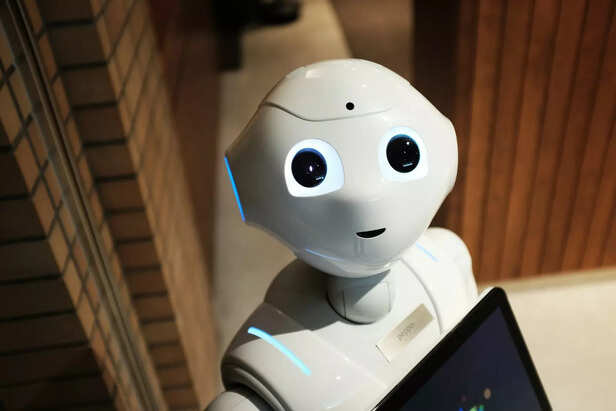
From Tools to Moral Actors
Traditional tools amplified human intent but did not make independent choices. A hammer does not decide what to build. But modern AI systems do more than follow rules. They learn from data, adapt to environments, and generate outcomes that even their creators cannot fully predict. This turns technology from a passive instrument into an active decision making system and when those decisions affect human lives, they become moral decisions.
Where Machines Already Make Ethical Choices
Technology already participates in ethical outcomes in areas such as autonomous driving, healthcare diagnostics, criminal risk assessment, hiring algorithms, content moderation, and facial recognition. In each case, systems make judgments that affect safety, opportunity, freedom, and dignity, core moral values in society.
The Problem of Encoding Human Values
Machines do not possess morality. They only reflect the values embedded in their design and data. But human values are complex, contextual, culturally diverse, and often conflicting. Encoding fairness, justice, or harm reduction into mathematical models is not only difficult, it is fundamentally philosophical. What is fair? Who decides? Whose values become the standard? These are not technical questions. They are social, political, and ethical ones.
Bias, Power, and Invisible Influence
AI systems trained on historical data often reproduce existing biases related to race, gender, wealth, and geography. This can lead to automated discrimination that is harder to detect and challenge because it is hidden inside algorithms. When machines shape access to jobs, credit, healthcare, or freedom, they become instruments of power and power without accountability is ethically dangerous.
Responsibility Without Responsibility
One of the most troubling aspects of machine decision making is the problem of accountability. When a human makes a harmful decision, responsibility is clear. When an algorithm does, responsibility becomes diffuse. Is it the developer? The company? The data? The user? The regulator? Without clear accountability, moral harm risks becoming systemic and unaddressed.
The Need for Ethical Governance
As machines enter moral territory, societies must create frameworks to govern them. This includes ethical design principles, transparency requirements, audibility, human oversight, and legal accountability. Ethics cannot be an afterthought in technological development. It must be built into systems from the beginning.
Technology Reflects Us, It Does Not Replace Us
Technology does not create morality. It reflects the values, priorities, and blind spots of the societies that build it. When technology starts making moral decisions, it forces humanity to confront its own ethics more clearly than ever before. The real question is not whether machines can be moral but whether humans are willing to take responsibility for the morality of the machines they create.
Unlock insightful tips and inspiration on personal growth, productivity, and well being. Stay motivated and updated with the latest at My Life XP.
Frequently Asked Questions (FAQs)
- Can technology actually make moral decisions?
Technology does not possess morality or consciousness. However, it can make decisions that have moral consequences. These decisions reflect the values, assumptions, and biases embedded in the data and design of the systems. - Why is algorithmic bias considered an ethical problem?
Because biased algorithms can unfairly disadvantage certain groups, reproduce discrimination, and influence access to opportunities, justice, or resources. This makes bias not just a technical flaw, but a moral and social issue. - Who is responsible when an AI system causes harm?
Responsibility can involve developers, companies, data providers, users, and regulators. Ethical and legal frameworks are evolving to clarify accountability and ensure that humans remain responsible for the actions of intelligent systems.