Will UPI Payments Above Rs 2,000 Cost You More? The Truth
Noopur Kumari | Aug 06, 2026, 10:01 IST
India's digital payment system could be heading towards an important policy shift. The government has proposed changes that may allow MDR on selected UPI merchant transactions in the future. However, this does not mean UPI payments will suddenly become chargeable. Here's a simple explanation of what has been proposed, why it matters and what consumers and businesses should know before drawing conclusions.

UPI Payment
Image credit : Freepik
For years, UPI has made digital payments simple, instant and completely free for millions of Indians. Whether paying for groceries, booking a cab or shopping online, users never had to think about extra transaction charges.
Now, a new government proposal has sparked fresh discussions about Merchant Discount Rate (MDR) on certain UPI transactions. While nothing has been implemented yet, the proposed legal changes have left many wondering whether payments above Rs 2,000 could soon become different.
Here's what the proposal really means, who could be affected and why there is no reason to panic just yet.
![UPI payment above Rs 2,000 at a retail store]()
The biggest reason people are talking about UPI is a proposed legal amendment that could allow the government to introduce Merchant Discount Rate on selected digital payments in the future. Reports suggest that merchant payments above Rs 2,000 may become the starting point, but no final decision has been taken. The proposal only creates a legal framework. The government still has to decide the amount, the type of merchants covered and whether the rule will actually be introduced. For now, UPI remains unchanged for users.
![Growing UPI digital payment ecosystem]()
UPI handles billions of transactions every month and has become one of the world's largest real-time payment systems. While consumers enjoy free transactions, banks and payment companies continue to spend heavily on servers, cybersecurity, fraud prevention and technology upgrades. Industry experts believe a limited MDR on selected merchant transactions could help support these operational costs. The idea is not to make every payment expensive but to create a sustainable revenue model that keeps the digital payment ecosystem secure, reliable and ready for future growth.
Merchant Discount Rate, commonly called MDR, is a fee paid by businesses whenever they accept digital payments. It already exists on credit and debit card transactions. Unlike card payments, UPI merchant transactions have been free since 2020. If introduced again, the MDR would be paid by the merchant accepting the payment rather than directly by the customer. However, businesses may decide whether to absorb the cost themselves or recover a small portion through product pricing, depending on future government rules.
The proposal does not suggest charging every UPI transaction. Most reports indicate that person-to-person transfers and small everyday purchases are expected to remain outside the proposed MDR framework. Transactions like buying vegetables, paying for groceries or settling a taxi fare are unlikely to be affected if the government follows the current discussion. Even if MDR is introduced, it would apply only to specific merchant categories and transaction values announced through a future notification.
Financial analysts believe a Rs 2,000 threshold could help balance convenience with sustainability. According to industry estimates, only around four percent of UPI transactions cross this amount, yet they contribute nearly seventy percent of the total transaction value. This means a limited MDR on larger merchant payments could generate revenue without affecting the vast majority of daily digital transactions. Even so, the government has not officially confirmed that Rs 2,000 will be the final threshold.
Banks, fintech companies and payment providers have long argued that maintaining India's digital payment infrastructure requires continuous investment. If MDR returns for selected merchant payments, it could create a significant revenue stream that supports innovation, fraud prevention and stronger payment systems. Large retailers may face additional transaction costs, while smaller businesses could remain exempt depending on the final policy. The exact rules, merchant categories and possible caps have not yet been announced.
The most important fact is that nothing changes today. The proposed amendment does not automatically introduce charges on UPI payments. It simply allows the government to decide later whether selected digital payment modes should carry MDR. Before any change happens, the government will need to announce the transaction threshold, eligible merchants, MDR rate, exemptions and implementation timeline. Until then, consumers can continue using UPI exactly as they do today without paying any additional transaction fee.
Unlock insightful tips and inspiration on personal growth, productivity, and well-being. Stay motivated and updated with the latest at My Life XP.
Now, a new government proposal has sparked fresh discussions about Merchant Discount Rate (MDR) on certain UPI transactions. While nothing has been implemented yet, the proposed legal changes have left many wondering whether payments above Rs 2,000 could soon become different.
Here's what the proposal really means, who could be affected and why there is no reason to panic just yet.
Could UPI Payments Above Rs 2,000 Soon Change?
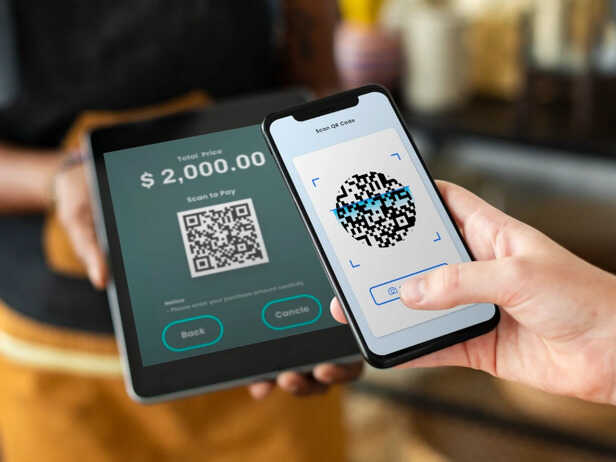
UPI payment above Rs 2,000 at a retail store
Image credit : Freepik
The biggest reason people are talking about UPI is a proposed legal amendment that could allow the government to introduce Merchant Discount Rate on selected digital payments in the future. Reports suggest that merchant payments above Rs 2,000 may become the starting point, but no final decision has been taken. The proposal only creates a legal framework. The government still has to decide the amount, the type of merchants covered and whether the rule will actually be introduced. For now, UPI remains unchanged for users.
Why Is the Government Considering This Move
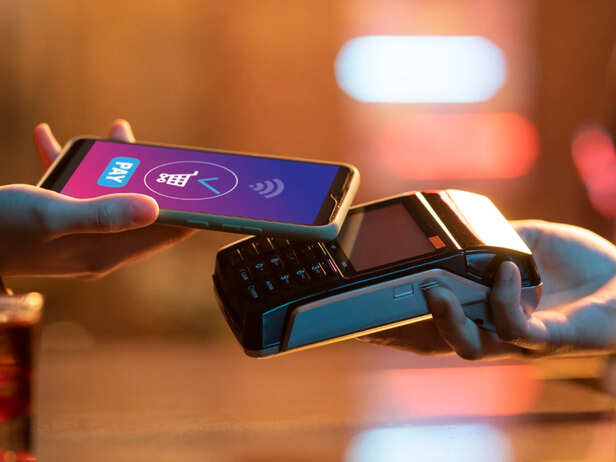
Growing UPI digital payment ecosystem
UPI handles billions of transactions every month and has become one of the world's largest real-time payment systems. While consumers enjoy free transactions, banks and payment companies continue to spend heavily on servers, cybersecurity, fraud prevention and technology upgrades. Industry experts believe a limited MDR on selected merchant transactions could help support these operational costs. The idea is not to make every payment expensive but to create a sustainable revenue model that keeps the digital payment ecosystem secure, reliable and ready for future growth.
What Exactly Is Merchant Discount Rate (MDR)?
Merchant Discount Rate, commonly called MDR, is a fee paid by businesses whenever they accept digital payments. It already exists on credit and debit card transactions. Unlike card payments, UPI merchant transactions have been free since 2020. If introduced again, the MDR would be paid by the merchant accepting the payment rather than directly by the customer. However, businesses may decide whether to absorb the cost themselves or recover a small portion through product pricing, depending on future government rules.
Will Everyday UPI Users Actually Pay More?
Why Is Rs 2,000 Becoming an Important Number?
What Could This Mean for Businesses and Payment Apps?
The One Thing Every UPI User Should Remember
Unlock insightful tips and inspiration on personal growth, productivity, and well-being. Stay motivated and updated with the latest at My Life XP.