
The Rise of “Sleep Tourism” in India: People Are Traveling Just to Rest
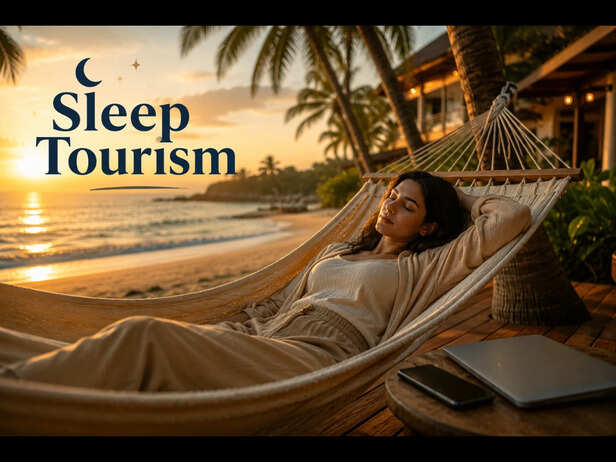
People Are No Longer Traveling to Explore. They’re Traveling to Recover
There was a time when vacations were about doing more. More sightseeing. More shopping. More photos. More places covered in less time. Now, many Indians are doing the exact opposite. They are checking into silent retreats, mountain cottages, forest resorts, and wellness stays with one simple goal: sleep. This growing trend is called sleep tourism, and it is quietly changing the way people travel. Instead of returning from vacations tired, overstimulated, and needing another break, travelers now want holidays that genuinely heal them. They want deep rest, slower mornings, better sleep cycles, reduced screen time, and a temporary escape from the pressure of modern life. And in India’s fast-moving urban culture, the idea is catching on faster than expected.
Burnout Has Turned Rest Into a Luxury
For millions of working professionals, students, and even creators, exhaustion has become normal. Late-night scrolling, long work hours, endless deadlines, and digital overstimulation have deeply affected sleep quality. Many people are sleeping, but not truly resting. That is why sleep tourism feels emotionally relevant right now. Travel is no longer only about adventure. It is becoming recovery therapy. People are booking vacations where there is intentionally “nothing to do.” No loud nightlife. No packed schedules. No pressure to explore every tourist attraction. Instead, these trips focus on calm surroundings, comfortable bedding, natural light, healthy food, meditation, sound therapy, and uninterrupted sleep. In many ways, sleep tourism reflects the emotional state of modern society. People are not escaping cities just for fun anymore. They are escaping fatigue.
India’s Wellness Culture Is Fueling the Trend
India already has a strong connection to wellness traditions, which makes sleep tourism feel like a natural evolution. Destinations known for Ayurveda, yoga, meditation, and holistic healing are now attracting travelers specifically looking to improve their sleep and mental recovery. Places in Kerala, Rishikesh, Coorg, Dharamshala, Uttarakhand, and the Himalayas are becoming popular among travelers searching for silence and stillness. Luxury hotels and wellness resorts are also adapting quickly. Some now offer sleep-focused packages that include herbal teas, sleep therapy sessions, calming room fragrances, guided breathing exercises, digital detox programs, and customized sleep routines. Many properties are even redesigning rooms with softer lighting, soundproof spaces, sleep-friendly mattresses, and nature-focused architecture. The message is clear: rest is now part of the hospitality experience.
Young Indians Are Prioritizing Peace Over Itineraries
One of the biggest reasons behind the rise of sleep tourism is the mindset shift among younger travelers. Millennials and Gen Z are increasingly valuing emotional wellness over traditional tourism. Earlier, vacations were often treated like achievements. People wanted to cover five cities in seven days and post every moment online. Now, many travelers are choosing slower experiences. They want quiet cafes, sunrise walks, forest sounds, books by the window, afternoon naps, and mornings without alarms. Social media has ironically contributed to this trend too. Constant digital exposure has increased emotional exhaustion, making people crave offline spaces more than ever. For many young Indians, the dream vacation is no longer chaotic luxury. It is uninterrupted peace.
Hotels Are Selling Silence as the New Luxury
Luxury itself is being redefined. Earlier, premium travel meant grand buffets, shopping streets, infinity pools, and extravagant entertainment. Today, silence has become expensive. Many premium resorts now market “sleep quality” as a feature. Some promote low-noise environments, blackout curtains, private villas, star-gazing decks, and no-TV rooms. This shift reveals something deeper about modern consumers. People are emotionally tired. A quiet room surrounded by nature now feels more valuable than crowded tourist hotspots. Travel companies are noticing this change rapidly because travelers are spending more money on experiences that improve mental and physical well-being. The rise of wellness hospitality proves that people no longer just want comfort. They want restoration.
Sleep Tourism Reflects a Bigger Mental Health Conversation
The popularity of sleep tourism also highlights a larger issue that society is finally beginning to acknowledge: collective burnout. Sleep deprivation is now closely connected to anxiety, emotional fatigue, poor concentration, and stress-related health problems. For years, hustle culture glorified overworking and staying constantly productive. Rest was often seen as laziness. Now, the cultural mindset is slowly changing. People are openly discussing burnout, therapy, emotional exhaustion, and the need for healthier lifestyles. Sleep tourism fits perfectly into this new awareness. It allows people to step away from overstimulation and reconnect with slower living. Even short wellness escapes are helping travelers realize how deeply disconnected they have become from rest, silence, and their own routines. In that sense, sleep tourism is not just a travel trend. It is a reflection of emotional survival in the digital age.
Maybe the Best Vacation Is the One Where Nothing Happens
The rise of sleep tourism in India says a lot about modern life. People are exhausted in ways that regular vacations no longer fix. They are craving stillness, silence, emotional recovery, and uninterrupted sleep more than sightseeing checklists. In a world constantly demanding attention, energy, and productivity, rest itself has become aspirational. And perhaps that is why sleep tourism feels so powerful right now. Because for many people, the ultimate luxury is no longer adventure. It is finally feeling rested again.
Unlock insightful tips and inspiration on personal growth, productivity, and well-being. Stay motivated and updated with the latest at My Life XP.