The Psychology of Wearing Black Too Often
Shashank Purohit | Thu, 02 Apr 2026
Many people believe that black is the safest, most fashionable, and most attractive hue. Without exerting too much effort, it conveys grace, authority, and simplicity. However, what happens if you start wearing black nearly exclusively? The deeper psychological processes underlying wearing black too frequently are analyzed in this piece, along with possible effects for your personality, emotional state, and social behavior.

Black Style Statement
Image credit : CHATGPT(AI)
Appearance is only one aspect of clothing. It is a type of nonverbal communication that conveys identity, mood, and occasionally even unspoken fears. Black has a special psychological place among all colors. It is strong but delicate, bold but modest. Because they feel secure, confident, and in control, many people rely on wearing black. However, patterns that defy trend may begin to emerge when black is chosen consistently rather than thoughtfully. You can become more conscious of your decisions and the messages they subtly convey to both yourself and other people by comprehending the psychology underlying this habit.
![Minimal Wardrobe Choice]()
The need for control is one of the most common psychological justifications for wearing black on a regular basis. Black is a predictable color. It goes well with everything, necessitates few choices, and lessens the mental strain of dressing. Black becomes a feasible choice for people who have hectic schedules or suffer from decision fatigue.
Regularly dressing in black helps foster a feeling of organization and order.
It removes confusion and frees one from worrying about appearance so they can concentrate on other things. For this reason, a lot of professionals, artists, and even public figures embrace a black dominated "uniform" look.
![Emotional Distance]()
Black is frequently connected to emotional detachment and protection. It may serve as a psychological barrier separating the wearer from the outer world. Black may unintentionally attract to people who are experiencing stress, insecurity, or emotional vulnerability since it feels secure and non exposing.
Black clothes does not draw notice, in contrast to bright or colorful attire. Instead of standing out, it enables people to blend in with their environment. Those who would rather go unnoticed or unjudged may find comfort in this.
![Power and Presence]()
Black is closely associated with elegance, authority, and power. It is the color associated with formal occasions, positions of authority, and high status settings. People that wear black a lot can be attempting to convey control and confidence, either deliberately or unconsciously.
Black can increase perceived seriousness and skills from a psychological standpoint. It conveys that the wearer is disciplined, attentive, and difficult to sway. For this reason, it is frequently selected for crucial meetings, presentations, and interviews.
![Exploring New Colors]()
Sometimes wearing black too frequently is just a habit rather than a sincerely felt feeling. People are more likely to persist with something once they find it to be effective. Because it is simple, dependable, and always looks good, black becomes the default option. This tendency might lead to a comfort zone where trying out different hues seems unnecessary or dangerous. This eventually restricts the ability to express oneself. Colors have psychological influence on your feelings as well as how other people see you. Brighter hues, for instance, can improve mood, boost energy, and promote social engagement.
People may unintentionally lose out on these benefits if they only wear black.
Black clothing is not inherently bad. It is a strong, adaptable, and classic colour with several practical and decorative uses. But when it starts to happen automatically and consistently, it might be a sign of deeper psychological desires like the need for control, identity projection, emotional protection, or just the development of basic habits.
You can make more thoughtful outfit choices if you are aware of these trends. The goal is not to eliminate black but to ensure that your choices align with how you truly want to feel and be perceived. Instead of restricting your personality, clothing should enhance it. You can utilize fashion as a tool for genuine self expression and confidence by including awareness and variety into your look.
Unlock insightful tips and inspiration on personal growth, productivity, and well-being. Stay motivated and updated with the latest at My Life XP.
The Desire for Control and Simplicity
Minimal Wardrobe Choice
Image credit : CHATGPT(AI)
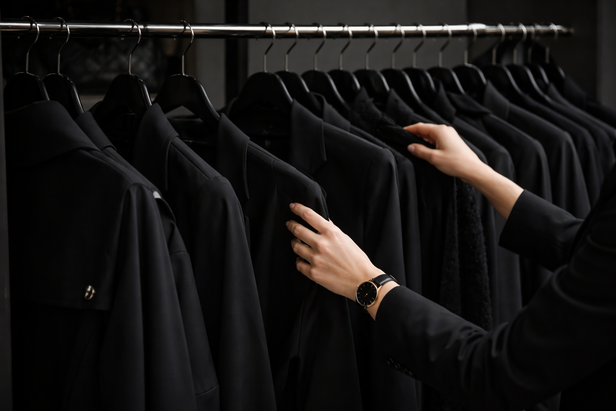
The need for control is one of the most common psychological justifications for wearing black on a regular basis. Black is a predictable color. It goes well with everything, necessitates few choices, and lessens the mental strain of dressing. Black becomes a feasible choice for people who have hectic schedules or suffer from decision fatigue.
Regularly dressing in black helps foster a feeling of organization and order.
It removes confusion and frees one from worrying about appearance so they can concentrate on other things. For this reason, a lot of professionals, artists, and even public figures embrace a black dominated "uniform" look.
Emotional Shielding and Self Protection
Emotional Distance
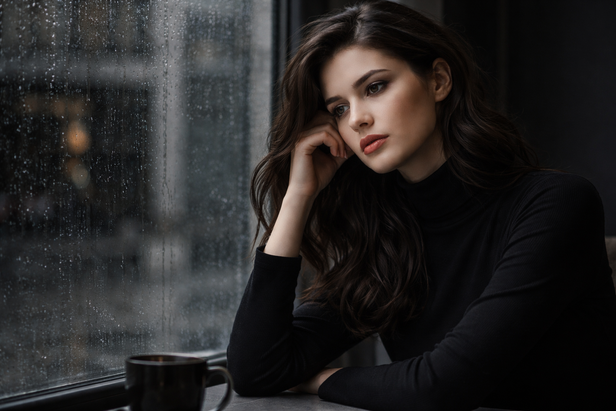
Black is frequently connected to emotional detachment and protection. It may serve as a psychological barrier separating the wearer from the outer world. Black may unintentionally attract to people who are experiencing stress, insecurity, or emotional vulnerability since it feels secure and non exposing.
Black clothes does not draw notice, in contrast to bright or colorful attire. Instead of standing out, it enables people to blend in with their environment. Those who would rather go unnoticed or unjudged may find comfort in this.
Identity, Power, and Perception
Power and Presence
Image credit : CHATGPT(AI)
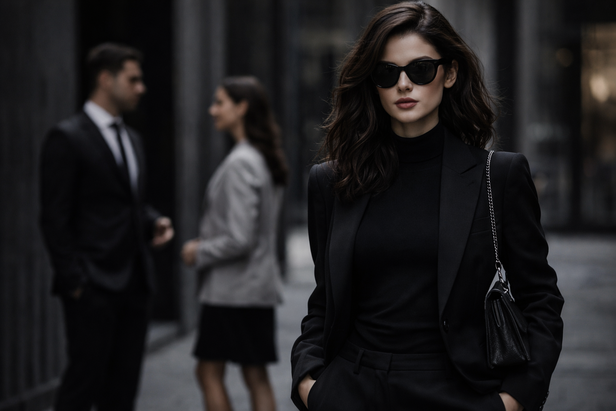
Black is closely associated with elegance, authority, and power. It is the color associated with formal occasions, positions of authority, and high status settings. People that wear black a lot can be attempting to convey control and confidence, either deliberately or unconsciously.
Black can increase perceived seriousness and skills from a psychological standpoint. It conveys that the wearer is disciplined, attentive, and difficult to sway. For this reason, it is frequently selected for crucial meetings, presentations, and interviews.
Habit, Comfort, and Lack of Exploration
Exploring New Colors
Image credit : CHATGPT(AI)
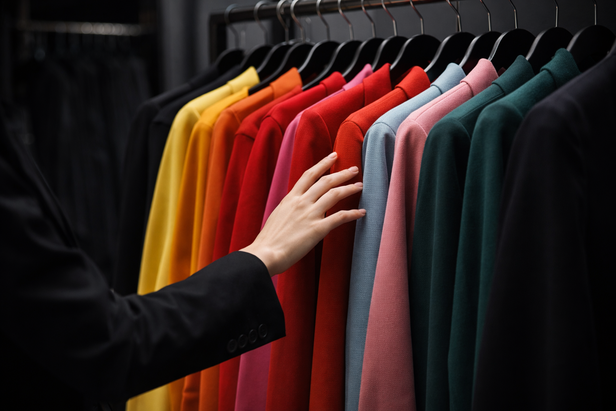
Sometimes wearing black too frequently is just a habit rather than a sincerely felt feeling. People are more likely to persist with something once they find it to be effective. Because it is simple, dependable, and always looks good, black becomes the default option. This tendency might lead to a comfort zone where trying out different hues seems unnecessary or dangerous. This eventually restricts the ability to express oneself. Colors have psychological influence on your feelings as well as how other people see you. Brighter hues, for instance, can improve mood, boost energy, and promote social engagement.
People may unintentionally lose out on these benefits if they only wear black.
Black clothing is not inherently bad. It is a strong, adaptable, and classic colour with several practical and decorative uses. But when it starts to happen automatically and consistently, it might be a sign of deeper psychological desires like the need for control, identity projection, emotional protection, or just the development of basic habits.
You can make more thoughtful outfit choices if you are aware of these trends. The goal is not to eliminate black but to ensure that your choices align with how you truly want to feel and be perceived. Instead of restricting your personality, clothing should enhance it. You can utilize fashion as a tool for genuine self expression and confidence by including awareness and variety into your look.
Unlock insightful tips and inspiration on personal growth, productivity, and well-being. Stay motivated and updated with the latest at My Life XP.