Why 90% People Choose Wrong Temple Idols
Noopur Kumari | Wed, 29 Apr 2026
Why do some idols feel deeply powerful while others feel strangely empty, even when both are treated with equal devotion? The answer lies beyond appearance and enters the realm of intention, material, and traditional craftsmanship. Ancient scriptures don’t treat idols as mere objects but as carefully created mediums meant to channel focus and spiritual alignment. Today, mass-produced idols often prioritize beauty over ritual accuracy, subtly changing how people experience worship. This raises an important question: are we still connecting to divinity, or just its outer form?

God Idols
Image credit : ChatGPT(ai)
What if the idol in your home temple is not just a symbol but a medium that decides the depth of your spiritual experience? Most people believe that any beautiful-looking idol is enough for worship. But ancient traditions suggest something far deeper something most people never check before bringing a deity home. And this is where the real confusion begins between appearance and spiritual presence.
![Sacred Materials of Divine Idols]()
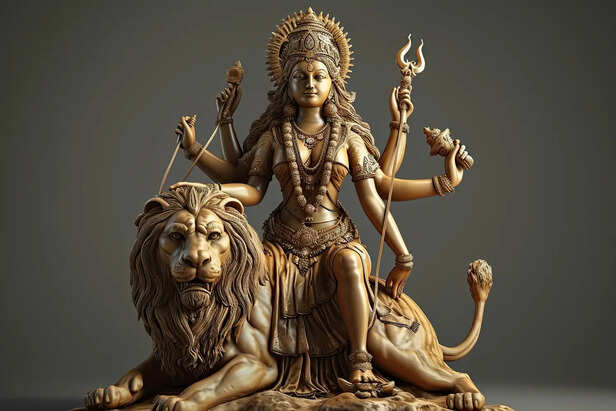
Many ancient traditions describe that idols are not just art pieces they are energy carriers. Scriptures often mention materials like pancha dhatu (five metals) or ashta dhatu (eight metals), and in some cases, stone idols carved with proper rituals. The idea is not superstition but symbolic science. Each material is believed to hold different energetic properties. While modern idols may look attractive, many are mass-produced using alloys like aluminum or cast iron without ritual purification. This creates a gap between visual beauty and spiritual depth.
![When Appearance Overrides Energy]()
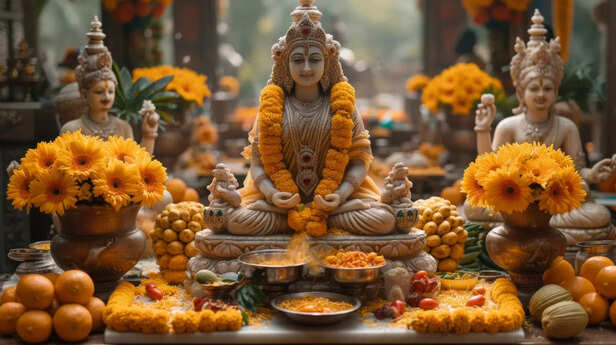
A major mistake people make today is choosing idols based only on appearance. Shiny, golden-looking idols often attract attention, but spiritual traditions emphasize process over appearance. An idol becomes sacred not just by form, but by method of creation, rituals performed during installation, and intention behind it. Without these elements, worship may feel emotionally empty even after regular prayers. This is why many people report lack of satisfaction despite daily rituals.
Ancient wisdom repeatedly reminds us that God is not limited to material form. However, the medium of worship matters because it helps focus the mind. The real purpose of prescribed materials is discipline and alignment not restriction. When rituals are followed correctly, they help create a stable mental and emotional connection during prayer. Without awareness, worship becomes mechanical instead of meaningful.
Before bringing any idol home, focus on three things: First, understand the tradition or sampradaya you follow Second, check the material and authenticity if possible Third, most importantly, ensure your intention is pure and respectful. Because ultimately, scriptures say divine presence responds to devotion but the medium helps shape the experience.
The truth is simple yet powerful: worship is not only about form it is about awareness. An idol is not just decoration. It is a bridge between mind and devotion. When chosen with understanding, it enhances focus. When chosen blindly, it becomes just another object. Real spirituality begins when we combine knowledge with faith and stop ignoring the details that shape our inner experience.
Unlock insightful tips and inspiration on personal growth, productivity, and well-being. Stay motivated and updated with the latest at My Life XP.
1. Why do some idols feel spiritually powerful while others don’t?
Because spiritual experience is influenced by intention, ritual process, material, and the devotee’s mindset. In traditions like those followed in temples across India, properly consecrated idols are believed to carry stronger “presence” due to ritual practices.
2. Does the material of an idol really affect devotion?
Traditional scriptures emphasize materials like stone, clay, and specific metals (like pancha dhatu) for symbolic and ritual reasons. However, devotion ultimately depends more on faith and focus than the physical material alone.
3. What do ancient scriptures recommend for idols?
Many texts suggest idols should be made through proper rituals, using pure materials and created with spiritual intent. The emphasis is more on sanctification (prana pratishtha) than decoration.
4. Are modern idols less spiritual than traditional ones?
Not necessarily. Modern idols can still be spiritually meaningful if installed and worshipped with devotion. The difference lies more in ritual authenticity and awareness than in appearance.
5. Is worship affected by modern market-made idols?
In some cases, mass-produced idols may lack traditional consecration processes, which can change the devotee’s experience. However, sincere prayer and belief remain the core of worship in any form.
IDOL MATERIAL AND SPIRITUAL ENERGY
Sacred Materials of Divine Idols
Image credit : Freepik
Many ancient traditions describe that idols are not just art pieces they are energy carriers. Scriptures often mention materials like pancha dhatu (five metals) or ashta dhatu (eight metals), and in some cases, stone idols carved with proper rituals. The idea is not superstition but symbolic science. Each material is believed to hold different energetic properties. While modern idols may look attractive, many are mass-produced using alloys like aluminum or cast iron without ritual purification. This creates a gap between visual beauty and spiritual depth.
BEAUTY VS SPIRITUAL PRESENCE
When Appearance Overrides Energy
Image credit : Freepik
A major mistake people make today is choosing idols based only on appearance. Shiny, golden-looking idols often attract attention, but spiritual traditions emphasize process over appearance. An idol becomes sacred not just by form, but by method of creation, rituals performed during installation, and intention behind it. Without these elements, worship may feel emotionally empty even after regular prayers. This is why many people report lack of satisfaction despite daily rituals.
REAL FAITH IS NOT IN MATERIAL BUT METHOD
WHAT YOU SHOULD DO BEFORE BUYING AN IDOL
Choosing the Right Idol Mindfully
Unlock insightful tips and inspiration on personal growth, productivity, and well-being. Stay motivated and updated with the latest at My Life XP.
Frequently Asked Questions (FAQs)
Because spiritual experience is influenced by intention, ritual process, material, and the devotee’s mindset. In traditions like those followed in temples across India, properly consecrated idols are believed to carry stronger “presence” due to ritual practices.
2. Does the material of an idol really affect devotion?
Traditional scriptures emphasize materials like stone, clay, and specific metals (like pancha dhatu) for symbolic and ritual reasons. However, devotion ultimately depends more on faith and focus than the physical material alone.
3. What do ancient scriptures recommend for idols?
Many texts suggest idols should be made through proper rituals, using pure materials and created with spiritual intent. The emphasis is more on sanctification (prana pratishtha) than decoration.
4. Are modern idols less spiritual than traditional ones?
Not necessarily. Modern idols can still be spiritually meaningful if installed and worshipped with devotion. The difference lies more in ritual authenticity and awareness than in appearance.
5. Is worship affected by modern market-made idols?
In some cases, mass-produced idols may lack traditional consecration processes, which can change the devotee’s experience. However, sincere prayer and belief remain the core of worship in any form.