This 90-Day Debit Card Rule Nobody Talks About
Noopur Kumari | Tue, 28 Apr 2026
Why is your unused debit card quietly putting you at risk? What exactly is the 90-day rule that can decide whether your insurance claim is accepted or rejected? How can something as simple as an ATM visit protect your family financially? And why do so many people miss this benefit, even when they already have it? These questions reveal a truth most people overlook. Because it’s not about having benefits it’s about knowing how to keep them active. This isn’t just banking information. It’s financial awareness that can make a real difference when it matters most.

Debit Card
Image credit : ANI
What if a simple habit you ignore every day could cost your family lakhs? Almost everyone carries a debit card, but most people only see it as a payment tool. Very few understand the hidden protection it quietly offers. Many debit cards come with accidental insurance that can support your family in difficult times. But here’s the catch this benefit is not automatic forever. It depends on a small condition that most people unknowingly ignore. And because of that, when the time comes the benefit they had is no longer available. Sometimes, it’s not the lack of resources it’s the lack of awareness that costs the most.
![Debit Card with Hidden Shield]()
Most people think a debit card is just for payments. But many cards whether from Visa, RuPay, or Mastercard come with built-in accidental insurance. This coverage can range from ₹2 lakh to even higher amounts, depending on your card type. The surprising part?You don’t pay extra for it. But if you don’t understand how it works you may never be able to use it when it truly matters.
![Calendar Highlighting 90 Days]()
Here’s the condition most people don’t know. To claim this insurance, your debit card must be used at least once in the last 90 days.
Yes, just one simple action. If the card stays inactive, your claim can be rejected even if everything else is perfectly valid. And “use” doesn’t always mean spending money. Even a quick balance check at an ATM counts. It feels like a small detail, easy to ignore. But in reality, it makes all the difference. Because in critical moments, this one habit can decide whether your family receives financial support or nothing at all.
Imagine a situation where a family loses a loved one in an accident. They could have received financial support through debit card insurance. But the card wasn’t used for months. The claim gets rejected. And suddenly, a simple habit becomes a costly mistake. This happens more often than people realize. Not because the benefit isn’t there but because people don’t know how to keep it active. Awareness is the difference between support and loss.
You don’t need to do anything complicated. Just use your debit card once in a while. Withdraw cash. Check your balance. Make a small transaction. That’s it. One simple action every few weeks keeps your card active. And keeps your insurance benefit valid. It takes less than a minute but it can protect your family in ways you never imagined. Sometimes, small habits create the biggest safety nets.
The Mistake Most People Never Realize
Today, most people rely on UPI apps. And slowly, the debit card gets ignored. It stays in your wallet unused forgotten. But that silence comes with a hidden cost. Because the moment you stop using it you unknowingly deactivate a powerful benefit. The biggest mistake is not misuse it’s no use at all. And by the time people realize it it’s often too late.
Your debit card is not just a payment tool. It’s a silent financial shield but only if you keep it active. A small habit, a little awareness can create a life-changing impact. Most people ignore it, thinking it’s just another card in their wallet. But in reality, it carries protection your family might depend on someday. So next time you choose not to use your debit card, pause for a second. Remember this it’s not just lying there unused. It holds a safety net, quietly waiting for a moment you hope never comes, but should always be prepared for.
Unlock insightful tips and inspiration on personal growth, productivity, and well-being. Stay motivated and updated with the latest at My Life XP.
1. Does every debit card have accidental insurance?
Most debit cards offer accidental insurance, but the coverage amount depends on the card type and network, such as Visa, RuPay, or Mastercard. It is best to check with your bank for exact benefits.
2. What is the 90-day rule for debit card insurance?
To keep the accidental insurance active, the debit card usually needs to be used at least once in the last 90 days. Without this, the insurance claim may be rejected.
3. Does checking balance at an ATM count as card usage?
Yes, even a non-financial transaction like balance enquiry at an ATM can count as valid usage and help keep the insurance benefit active.
4. Why do most people lose this benefit?
Many people shift to UPI payments and stop using their debit cards. Because the card remains inactive, they unknowingly lose the insurance eligibility.
5. How can I keep my debit card insurance active?
Use your debit card occasionally for cash withdrawal, balance enquiry, or small transactions. This simple habit helps keep the insurance benefit valid.
The Benefit You Didn’t Know You Had
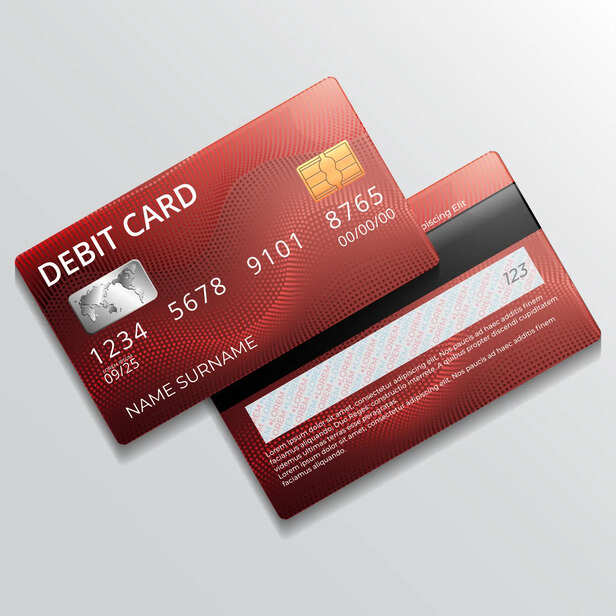
Debit Card with Hidden Shield
Image credit : Freepik
Most people think a debit card is just for payments. But many cards whether from Visa, RuPay, or Mastercard come with built-in accidental insurance. This coverage can range from ₹2 lakh to even higher amounts, depending on your card type. The surprising part?You don’t pay extra for it. But if you don’t understand how it works you may never be able to use it when it truly matters.
The 90-Day Rule That Changes Everything

Calendar Highlighting 90 Days
Image credit : Freepik
Here’s the condition most people don’t know. To claim this insurance, your debit card must be used at least once in the last 90 days.
Yes, just one simple action. If the card stays inactive, your claim can be rejected even if everything else is perfectly valid. And “use” doesn’t always mean spending money. Even a quick balance check at an ATM counts. It feels like a small detail, easy to ignore. But in reality, it makes all the difference. Because in critical moments, this one habit can decide whether your family receives financial support or nothing at all.
The Cost of Ignoring This Habit
A Small Action That Makes a Big Difference
The Mistake Most People Never Realize
Today, most people rely on UPI apps. And slowly, the debit card gets ignored. It stays in your wallet unused forgotten. But that silence comes with a hidden cost. Because the moment you stop using it you unknowingly deactivate a powerful benefit. The biggest mistake is not misuse it’s no use at all. And by the time people realize it it’s often too late.
Ignoring small details can lead to big losses
Unlock insightful tips and inspiration on personal growth, productivity, and well-being. Stay motivated and updated with the latest at My Life XP.
Frequently Asked Questions (FAQs)
Most debit cards offer accidental insurance, but the coverage amount depends on the card type and network, such as Visa, RuPay, or Mastercard. It is best to check with your bank for exact benefits.
2. What is the 90-day rule for debit card insurance?
To keep the accidental insurance active, the debit card usually needs to be used at least once in the last 90 days. Without this, the insurance claim may be rejected.
3. Does checking balance at an ATM count as card usage?
Yes, even a non-financial transaction like balance enquiry at an ATM can count as valid usage and help keep the insurance benefit active.
4. Why do most people lose this benefit?
Many people shift to UPI payments and stop using their debit cards. Because the card remains inactive, they unknowingly lose the insurance eligibility.
5. How can I keep my debit card insurance active?
Use your debit card occasionally for cash withdrawal, balance enquiry, or small transactions. This simple habit helps keep the insurance benefit valid.