India’s Passenger Vehicle Race 2026: Will Carmakers Smash Record Sales?
Noopur Kumari | Sun, 04 Jan 2026
India’s passenger vehicle industry enters a high-stakes final quarter of FY26. Carmakers rely on rural demand, GST-driven affordability, and alternative credit channels to achieve 8% growth. While urban markets face saturation, semi-urban and rural areas drive expansion. Price hikes, inventory strategies, and strong SUV demand intensify competition among Maruti Suzuki, Mahindra, Tata Motors, and Hyundai, setting the stage for record-breaking sales.

India’s passenger vehicle industry
Image credit : Freepik
The Indian passenger vehicle industry is approaching the crucial final quarter of FY26 as automakers strive to achieve the projected 8 percent growth. Strong rural demand, GST-driven affordability, and innovative credit solutions are boosting market optimism, while urban areas show early signs of saturation. Leading manufacturers such as Maruti Suzuki, Mahindra, Tata Motors, and Hyundai are carefully managing price increases, inventory levels, and growing SUV demand to ensure a strong finish, positioning the industry for a record-breaking year.
![Rural Demand Boost]()
The GST 2.0 reform introduced in September 2025 improved vehicle affordability and fueled a strong rise in sales. However, weak household savings and cautious bank lending are slowing overall demand. As the industry enters the final quarter of FY26, automakers face a critical test to see whether the gains from GST reforms will sustain or if growth is beginning to plateau. Rural and semi-urban demand, along with price adjustments, will be key to maintaining momentum and achieving annual targets
![GST Boosts Vehicle Sales]()
The GST 2.0 reform in September 2025 increased vehicle affordability and triggered strong sales in India’s auto sector. However, weak household savings and cautious bank lending are slowing the momentum. As the final quarter of FY26 approaches, automakers face a critical test to determine if GST-driven growth can be sustained or if the industry is reaching a plateau, making strategic pricing, credit solutions, and rural demand key factors for achieving the projected 8 percent growth.
![Price Adjustments Ahead]()
Maruti Suzuki and Hyundai introduced price hikes ranging from 0.6% to 2% starting January to balance demand and profitability. Dealers are keeping lean inventories of 30 to 35 days, allowing for efficient stock management during the crucial fourth quarter. This strategy helps prevent excessive inventory buildup while meeting customer demand promptly. By maintaining optimal stock levels and adjusting prices carefully, automakers ensure smoother sales, better turnover, and sustained growth, positioning themselves strongly for the end-of-year performance in FY26.
![Domestic Market Competition]()
Hyundai has traditionally maintained the second spot in India’s passenger vehicle market, but Mahindra and Tata Motors are closing the gap with strong SUV sales and growing electric vehicle adoption. The final quarter of FY26 is marked by aggressive promotions and attractive finance schemes, giving buyers more bargaining power than ever. These strategies aim to capture shifting demand in rural and semi-urban areas, ensure competitive positioning, and drive overall industry growth as automakers race to meet annual sales targets.
Unlock insightful tips and inspiration on personal growth, productivity, and well-being. Stay motivated and updated with the latest at My Life XP.
1. Which carmakers are leading the FY26 passenger vehicle market?
Maruti Suzuki continues as the market leader, while Mahindra and Tata Motors are gaining ground with strong SUV sales and electric vehicle adoption. Hyundai is also a key competitor in the second spot.
2. What factors are driving growth in the final quarter of FY26?
Rural demand, GST-driven affordability, attractive finance options, and new vehicle launches are supporting growth. Semi-urban markets are also emerging as key drivers of sales.
3. How are price hikes and promotions affecting buyers?
Price increases by manufacturers are balanced with aggressive promotions and flexible finance schemes, giving buyers more bargaining power and influencing purchase decisions in urban and rural markets.
Strong Rural Demand Fuels Sales Momentum

Rural Demand Boost
Image credit : Pexels
The GST 2.0 reform introduced in September 2025 improved vehicle affordability and fueled a strong rise in sales. However, weak household savings and cautious bank lending are slowing overall demand. As the industry enters the final quarter of FY26, automakers face a critical test to see whether the gains from GST reforms will sustain or if growth is beginning to plateau. Rural and semi-urban demand, along with price adjustments, will be key to maintaining momentum and achieving annual targets
GST Reforms Impact Car Affordability
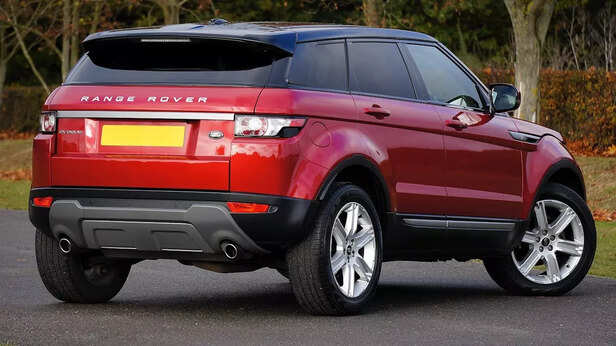
GST Boosts Vehicle Sales
Image credit : Pexels
The GST 2.0 reform in September 2025 increased vehicle affordability and triggered strong sales in India’s auto sector. However, weak household savings and cautious bank lending are slowing the momentum. As the final quarter of FY26 approaches, automakers face a critical test to determine if GST-driven growth can be sustained or if the industry is reaching a plateau, making strategic pricing, credit solutions, and rural demand key factors for achieving the projected 8 percent growth.
Price Hikes and Inventory Management
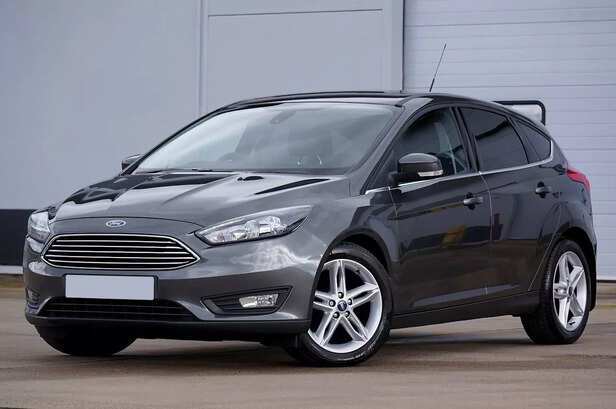
Price Adjustments Ahead
Image credit : Pexels
Maruti Suzuki and Hyundai introduced price hikes ranging from 0.6% to 2% starting January to balance demand and profitability. Dealers are keeping lean inventories of 30 to 35 days, allowing for efficient stock management during the crucial fourth quarter. This strategy helps prevent excessive inventory buildup while meeting customer demand promptly. By maintaining optimal stock levels and adjusting prices carefully, automakers ensure smoother sales, better turnover, and sustained growth, positioning themselves strongly for the end-of-year performance in FY26.
Three-Way Competition Intensifies

Domestic Market Competition
Image credit : Pexels
Hyundai has traditionally maintained the second spot in India’s passenger vehicle market, but Mahindra and Tata Motors are closing the gap with strong SUV sales and growing electric vehicle adoption. The final quarter of FY26 is marked by aggressive promotions and attractive finance schemes, giving buyers more bargaining power than ever. These strategies aim to capture shifting demand in rural and semi-urban areas, ensure competitive positioning, and drive overall industry growth as automakers race to meet annual sales targets.
Unlock insightful tips and inspiration on personal growth, productivity, and well-being. Stay motivated and updated with the latest at My Life XP.
Frequently Asked Questions (FAQs)
Maruti Suzuki continues as the market leader, while Mahindra and Tata Motors are gaining ground with strong SUV sales and electric vehicle adoption. Hyundai is also a key competitor in the second spot.
2. What factors are driving growth in the final quarter of FY26?
Rural demand, GST-driven affordability, attractive finance options, and new vehicle launches are supporting growth. Semi-urban markets are also emerging as key drivers of sales.
3. How are price hikes and promotions affecting buyers?
Price increases by manufacturers are balanced with aggressive promotions and flexible finance schemes, giving buyers more bargaining power and influencing purchase decisions in urban and rural markets.