Why Petrol Prices Haven’t Risen Despite $100 Oil
Noopur Kumari | Thu, 12 Mar 2026
At first glance, the situation appears confusing. Global oil prices are rising quickly, yet petrol and diesel prices in India have not changed much. How is this possible? The reason lies in a combination of government policy, global supply concerns, and rising geopolitical tensions in the Middle East. Energy markets react instantly to uncertainty, especially when conflicts threaten oil supply routes. However, governments often take steps to protect domestic markets from sudden shocks. By managing fuel pricing and taxes, they try to keep prices stable. This explains why petrol prices can remain steady even when global oil markets are highly volatile.

Oil prices swing wildly as Iran war threatens transport routes and production across Middle East
Image credit : AP
Fuel prices influence nearly every part of daily life. From daily commuting to the cost of groceries and transportation, even a small change at the petrol pump can affect the entire economy. Recently, global oil markets witnessed a dramatic shift as crude oil prices surged close to $100 per barrel, raising concerns worldwide. Naturally, drivers across India are wondering whether petrol and diesel prices will rise soon. Surprisingly, despite the global spike, fuel prices in India have remained largely stable for now. The reason lies in a complex mix of government policy, global supply dynamics, and geopolitical tensions shaping the international energy market.
![Taiwan: Price stabilization measures launched as oil prices surge]()
International oil markets have witnessed a sharp surge in recent days. The global benchmark Brent Crude climbed close to $100 per barrel, while West Texas Intermediate also recorded a significant rise. The spike is largely linked to growing tensions in the Middle East, which has increased uncertainty in global energy supply. Oil markets are extremely sensitive to geopolitical risks because key supply routes can be disrupted easily during conflicts. Even the fear of a possible disruption can push prices higher. For many economies, sudden increases in crude oil prices raise concerns about rising fuel costs and inflation.
![Strait of Hormuz Shipping Route]()
The surge in oil prices is closely linked to rising tensions involving Iran, Israel, and the United States. When conflicts intensify in this region, global markets react almost instantly. The Middle East controls a significant share of the world’s oil production and export routes. Any sign of instability raises fears that oil production or transportation could be disrupted. Because of this uncertainty, investors and traders rush to secure oil supplies before shortages occur. This sudden demand pushes crude oil prices higher. As a result, prices can surge rapidly even before any actual supply disruption takes place.
One location plays a crucial role in the global energy system: the Strait of Hormuz. Nearly 20% of the world’s oil shipments pass through this narrow waterway, making it one of the most important energy routes on the planet. If tensions or conflicts threaten this passage, global oil supply could be disrupted almost immediately. That is why markets react sharply whenever geopolitical tensions rise in the Middle East. Even rumors of disruptions can push oil prices higher. For energy-importing countries like India, the stability of this route is essential for maintaining a steady and reliable fuel supply.
Despite the sharp rise in global crude oil prices, petrol and diesel rates in India have mostly remained stable. In Delhi, petrol is priced at around ₹94.77 per litre, while diesel costs about ₹87.67. Authorities are trying to shield domestic consumers from sudden fluctuations in international oil markets. Fuel pricing in India is influenced not only by crude costs but also by taxes and policy decisions. By carefully managing these factors, the government can absorb some of the global pressure. This approach helps control inflation and ensures that households and businesses do not immediately feel the impact of rising global oil prices.
Although fuel prices remain stable for now, the future largely depends on global oil trends. If international crude prices stay high for a long period, domestic petrol and diesel prices may eventually rise. Governments often step in to prevent sudden increases and protect consumers from immediate financial pressure. However, such stability may only last for a limited time. Energy markets are extremely unpredictable and react quickly to global events. Conflicts, supply disruptions, or geopolitical tensions can influence oil prices overnight. As a result, developments happening far away can ultimately affect the amount drivers pay at petrol pumps across the country.
Unlock insightful tips and inspiration on personal growth, productivity, and well-being. Stay motivated and updated with the latest at My Life XP.
1. Why haven’t petrol and diesel prices risen despite oil hitting $100?
India’s government uses pricing policies and tax management to absorb global oil shocks, keeping domestic fuel prices stable temporarily.
2. Can fuel prices change suddenly in the near future?
Yes, if international crude prices stay high or geopolitical tensions escalate, domestic fuel prices could adjust accordingly.
3. Which factors influence petrol and diesel prices in India?
Global crude oil prices, state and central taxes, supply-demand dynamics, and government policies all affect fuel costs.
4. Why are oil markets so sensitive to global conflicts?
Tensions in major oil-producing regions, like the Middle East, can threaten supply routes, causing immediate price fluctuations.
5. How can drivers stay informed about fuel price changes?
Regularly check official price notifications from state-run oil marketing companies or trusted news sources for daily updates.
Global Oil Prices Suddenly Surged
Taiwan: Price stabilization measures launched as oil prices surge
Image credit : ANI
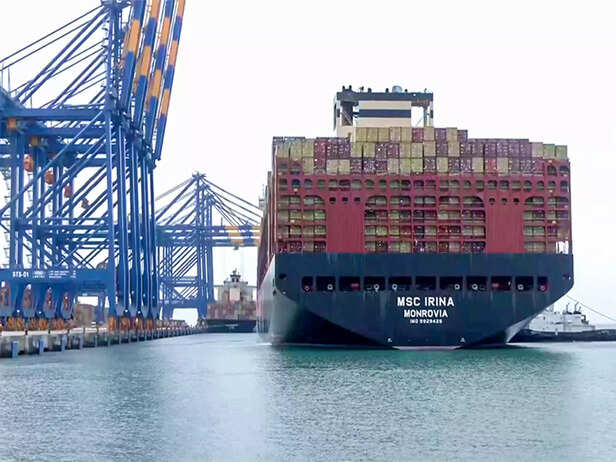
International oil markets have witnessed a sharp surge in recent days. The global benchmark Brent Crude climbed close to $100 per barrel, while West Texas Intermediate also recorded a significant rise. The spike is largely linked to growing tensions in the Middle East, which has increased uncertainty in global energy supply. Oil markets are extremely sensitive to geopolitical risks because key supply routes can be disrupted easily during conflicts. Even the fear of a possible disruption can push prices higher. For many economies, sudden increases in crude oil prices raise concerns about rising fuel costs and inflation.
Middle East Tensions Are Driving Markets
Strait of Hormuz Shipping Route
Image credit : Freepik
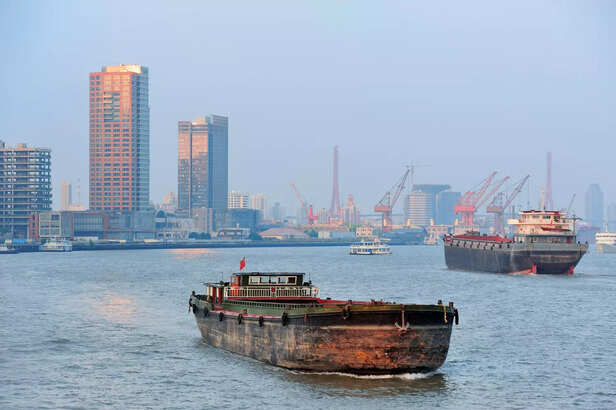
The surge in oil prices is closely linked to rising tensions involving Iran, Israel, and the United States. When conflicts intensify in this region, global markets react almost instantly. The Middle East controls a significant share of the world’s oil production and export routes. Any sign of instability raises fears that oil production or transportation could be disrupted. Because of this uncertainty, investors and traders rush to secure oil supplies before shortages occur. This sudden demand pushes crude oil prices higher. As a result, prices can surge rapidly even before any actual supply disruption takes place.
The Strait of Hormuz Is Critical
Why Fuel Prices Remain Stable in India
What Drivers Should Expect Next
Unlock insightful tips and inspiration on personal growth, productivity, and well-being. Stay motivated and updated with the latest at My Life XP.
Frequently Asked Questions (FAQs)
India’s government uses pricing policies and tax management to absorb global oil shocks, keeping domestic fuel prices stable temporarily.
2. Can fuel prices change suddenly in the near future?
Yes, if international crude prices stay high or geopolitical tensions escalate, domestic fuel prices could adjust accordingly.
3. Which factors influence petrol and diesel prices in India?
Global crude oil prices, state and central taxes, supply-demand dynamics, and government policies all affect fuel costs.
4. Why are oil markets so sensitive to global conflicts?
Tensions in major oil-producing regions, like the Middle East, can threaten supply routes, causing immediate price fluctuations.
5. How can drivers stay informed about fuel price changes?
Regularly check official price notifications from state-run oil marketing companies or trusted news sources for daily updates.