Why Tuesdays and Saturdays Feel Different for Hanuman Devotees
Noopur Kumari | Fri, 01 May 2026
This article explores why Tuesdays and Saturdays feel spiritually unique for Hanuman devotees. It explains how repeated weekly routines slowly shape emotional behavior, turning simple habit into deep cultural belief. Over time, psychological conditioning and shared collective practices create a strong sense of connection and inner discipline. The piece also highlights how group devotion amplifies emotional energy, making these days feel more meaningful. Ultimately, it shows how regular practice transforms into faith, and how faith gradually builds emotional stability, calmness, and a stronger sense of inner balance in everyday life.

Hanuman Devotees
Image credit : ChatGPT(AI)
Have you ever noticed something strange? On Tuesdays and Saturdays, temples feel more alive. People seem more disciplined, more connected, and somehow more emotionally tuned in. It is not just a routine it feels like a shared invisible rhythm. But why only these two days? Is it belief habit or something deeper that people don’t openly talk about? Across India, millions of Hanuman devotees follow a weekly pattern without questioning it. Some visit temples, some fast, and some simply sit in silence with devotion. Yet, the feeling remains the same these days feel “different.” This isn’t coincidence. It is a mix of tradition, psychology, and emotional energy passed through generations. Let’s uncover what actually makes Tuesdays and Saturdays feel spiritually heavier, calmer, and more powerful than ordinary days.
![Weekly Devotion Rhythm]()
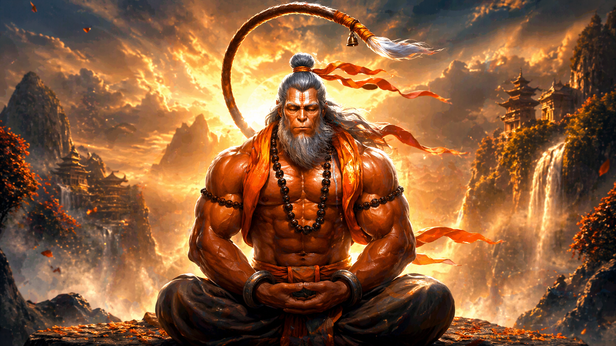
Every week has seven days, but for many devotees, only two feel spiritually “active.” Tuesdays and Saturdays naturally become anchor points in routine life. Over time, this repetition creates a mental pattern where the mind starts associating these days with discipline and devotion. Even without thinking deeply, people prepare emotionally in advance. This is how routine slowly transforms into belief. The mind feels calmer because it knows what to expect. That predictability creates a sense of spiritual stability, making these days feel more meaningful than others.
![Inner Emotional Reset]()
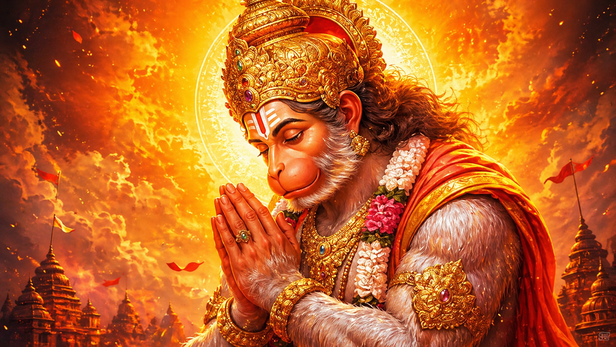
Tuesdays and Saturdays often act like emotional checkpoints in a busy life. People use these days to pause mental noise and reset inner stress. Even those who are not deeply religious feel a psychological shift less distraction, more reflection. When life feels chaotic, having fixed spiritual days creates emotional grounding. This is not just faith; it is mental conditioning. The mind begins to release tension because it believes it is “time to slow down.” That emotional release is what many interpret as divine energy or spiritual presence.
When millions of people follow the same practice on the same days, something powerful happens shared emotion. This collective devotion creates an atmosphere that feels charged, even without physical explanation. In temples, chants, rituals, and prayers happening simultaneously create a strong emotional environment. The human brain is highly sensitive to group behavior. So when people see others praying with faith, their own belief becomes stronger. This is how collective psychology turns into what many describe as “spiritual energy.”
Hanuman is often associated with strength, discipline, and devotion. Over time, devotees align their lifestyle with these values. Tuesdays and Saturdays become symbolic days to practice self-control fasting, prayer, or simplicity. This discipline is not forced; it is inherited through cultural learning. The human mind finds structure comforting, and these fixed rituals help maintain it. That is why even busy individuals try to follow these days. It creates a sense of moral and emotional alignment, giving life a structured spiritual rhythm.
One of the most interesting experiences devotees report is the lingering calm after rituals. Even after leaving the temple, the emotional effect stays. This happens because the brain retains emotional intensity from repeated rituals. When something is done consistently with meaning, it becomes a memory trigger for peace. So even outside the temple, Tuesdays and Saturdays feel “different.” The mind remembers the emotional state it enters during devotion, and recreates it later in similar contexts. This is how belief turns into lasting inner experience.
Tuesdays and Saturdays are not just dates on a calendar for Hanuman devotees they are emotional anchors. What begins as routine slowly becomes belief, and what becomes belief transforms into inner stability. Whether one sees it as psychology, culture, or spirituality, the impact is real in human experience. Maybe the real power is not in the day itself but in the way humans choose to feel on that day.
Unlock insightful tips and inspiration on personal growth, productivity, and well-being. Stay motivated and updated with the latest at My Life XP.
1. Why are Tuesdays and Saturdays special for Hanuman devotees?
Tuesdays and Saturdays are traditionally associated with Lord Hanuman. Devotees believe these days carry stronger spiritual focus, making prayers, fasting, and rituals more meaningful and emotionally grounding.
2. Is there any scientific reason behind this feeling?
Yes, partly. Psychological conditioning plays a role. When people repeat rituals on fixed days, the mind builds emotional association, creating a sense of calm, discipline, and familiarity.
3. Do all Hanuman devotees follow these days?
Not everyone strictly follows them, but a large number of devotees choose these days for prayer due to cultural tradition and family teachings passed through generations.
4. Why do temples feel more powerful on these days?
Crowd participation, collective chanting, and shared belief create a strong emotional atmosphere. This group energy enhances the overall spiritual experience.
5. Is it belief or real energy?
It depends on perspective. Spiritually, it is seen as divine energy. Psychologically, it is a mix of belief, focus, and emotional conditioning that feels powerful to the mind.
THE INVISIBLE WEEKLY PATTERN
Weekly Devotion Rhythm
Image credit : ChatGPT (AI)
Every week has seven days, but for many devotees, only two feel spiritually “active.” Tuesdays and Saturdays naturally become anchor points in routine life. Over time, this repetition creates a mental pattern where the mind starts associating these days with discipline and devotion. Even without thinking deeply, people prepare emotionally in advance. This is how routine slowly transforms into belief. The mind feels calmer because it knows what to expect. That predictability creates a sense of spiritual stability, making these days feel more meaningful than others.
EMOTIONAL RESET DAYS
Inner Emotional Reset
Image credit : ChatGPT(AI)
Tuesdays and Saturdays often act like emotional checkpoints in a busy life. People use these days to pause mental noise and reset inner stress. Even those who are not deeply religious feel a psychological shift less distraction, more reflection. When life feels chaotic, having fixed spiritual days creates emotional grounding. This is not just faith; it is mental conditioning. The mind begins to release tension because it believes it is “time to slow down.” That emotional release is what many interpret as divine energy or spiritual presence.
COLLECTIVE BELIEF CREATES ENERGY
THE DISCIPLINE EFFECT OF HANUMAN DEVOTION
WHY THE FEELING STICKS EVEN AFTER LEAVING TEMPLE
Lingering Spiritual Calm
Unlock insightful tips and inspiration on personal growth, productivity, and well-being. Stay motivated and updated with the latest at My Life XP.
Frequently Asked Questions (FAQs)
Tuesdays and Saturdays are traditionally associated with Lord Hanuman. Devotees believe these days carry stronger spiritual focus, making prayers, fasting, and rituals more meaningful and emotionally grounding.
2. Is there any scientific reason behind this feeling?
Yes, partly. Psychological conditioning plays a role. When people repeat rituals on fixed days, the mind builds emotional association, creating a sense of calm, discipline, and familiarity.
3. Do all Hanuman devotees follow these days?
Not everyone strictly follows them, but a large number of devotees choose these days for prayer due to cultural tradition and family teachings passed through generations.
4. Why do temples feel more powerful on these days?
Crowd participation, collective chanting, and shared belief create a strong emotional atmosphere. This group energy enhances the overall spiritual experience.
5. Is it belief or real energy?
It depends on perspective. Spiritually, it is seen as divine energy. Psychologically, it is a mix of belief, focus, and emotional conditioning that feels powerful to the mind.