5 Overnight Beauty Habits That Can Improve Your Skin
Palak Khanna | Jun 07, 2026, 13:00 IST
Beautiful skin is not built in a single day, but the hours you spend sleeping can quietly transform your complexion. While expensive products often get all the attention, a few simple nighttime habits can help your skin repair itself naturally. From keeping your pillowcase clean to staying hydrated, these easy changes work with your body's natural healing process. Here are seven overnight beauty habits that can leave you waking up with healthier, fresher-looking skin.

5 Night Habits for Glowing Skin: Wake Up Looking Refreshed
Image credit : Chatgpt (AI)
There is a reason people call it "beauty sleep." While you rest, your body enters repair mode. Skin cells regenerate faster, blood flow increases, and the damage caused by pollution, sunlight, and stress begins to heal. Yet many of us unknowingly sabotage this natural process. Sleeping with makeup, using dirty pillowcases, or skipping hydration can make skin appear dull, tired, and prone to breakouts. The good news is that you do not need a shelf full of luxury products to wake up glowing. A handful of simple bedtime habits can make a surprising difference over time. Here are five overnight beauty rituals that dermatologists and skincare experts often recommend.
![Clean Skin Starts Before Bed]()
It sounds obvious, but it remains one of the most overlooked skincare rules. Throughout the day, your skin collects dirt, oil, sweat, pollution particles, and makeup residue. Leaving these on overnight can clog pores and trigger acne while preventing your skin from renewing itself properly. Use a gentle cleanser suited to your skin type. If you wear heavy makeup or sunscreen, double cleansing with an oil-based cleanser followed by a water-based face wash can help remove every trace. A clean face creates the perfect canvas for your nighttime skincare products to work effectively.
![Lock In Overnight Hydration]()
Nighttime is when your skin naturally loses moisture. Dry indoor air and air conditioning can make this even worse. A nourishing moisturizer helps strengthen the skin barrier and locks in hydration while you sleep. Ingredients like hyaluronic acid, ceramides, glycerin, and squalane are especially helpful because they attract and retain moisture. You do not necessarily need a separate night cream. A good moisturizer that suits your skin can provide enough support for overnight repair. Consistent hydration often leads to softer skin, fewer dry patches, and a healthier glow by morning.
Your pillowcase touches your face for six to eight hours every night. Over time, it collects oil, sweat, dead skin cells, hair products, and bacteria. Sleeping on a dirty pillowcase can transfer these impurities back onto your skin, potentially contributing to clogged pores and irritation. Experts generally suggest changing pillowcases at least once or twice a week. Silk or satin pillowcases may also reduce friction, which can help minimize sleep creases and reduce hair breakage. It is a small habit, but one that many people notice a difference from after a few weeks.
Healthy skin starts from within. While drinking a large amount of water right before sleeping is not necessary, staying properly hydrated throughout the evening helps your body maintain skin elasticity and function. Dehydrated skin often looks dull, flaky, and more prone to fine lines. Pairing adequate water intake with water-rich foods like cucumber, watermelon, or oranges during dinner can support overnight skin recovery. Think of hydration as giving your skin the resources it needs to repair itself naturally.
![Your Beauty Sleep Matters]()
The phrase "beauty sleep" is backed by science. During deep sleep, the body increases blood circulation and boosts the production of collagen, the protein responsible for keeping skin firm and smooth. Poor sleep, on the other hand, can increase stress hormones like cortisol, which may worsen acne and inflammation. Aim for seven to nine hours of quality sleep each night. Creating a calming bedtime routine, reducing screen time, and keeping your room cool and dark can help improve sleep quality. A well-rested body often shows up first on your face.
Glowing skin is rarely the result of a miracle product. More often, it comes from small habits repeated consistently. Washing your face, moisturizing, sleeping on a clean pillowcase, staying hydrated, and getting enough rest all work together to support your skin's natural repair process. These rituals take only a few extra minutes each night, but their effects can build over weeks and months. The best part is that these beauty habits are simple, affordable, and easy to fit into almost any lifestyle. Your skin spends the night working hard for you. Giving it the right conditions can help you wake up looking and feeling your best.
Unlock insightful tips and inspiration on personal growth, productivity, and well-being. Stay motivated and updated with the latest atMy Life XP.
Never Go to Bed Without Washing Your Face

Clean Skin Starts Before Bed
It sounds obvious, but it remains one of the most overlooked skincare rules. Throughout the day, your skin collects dirt, oil, sweat, pollution particles, and makeup residue. Leaving these on overnight can clog pores and trigger acne while preventing your skin from renewing itself properly. Use a gentle cleanser suited to your skin type. If you wear heavy makeup or sunscreen, double cleansing with an oil-based cleanser followed by a water-based face wash can help remove every trace. A clean face creates the perfect canvas for your nighttime skincare products to work effectively.
Apply a Hydrating Night Moisturizer
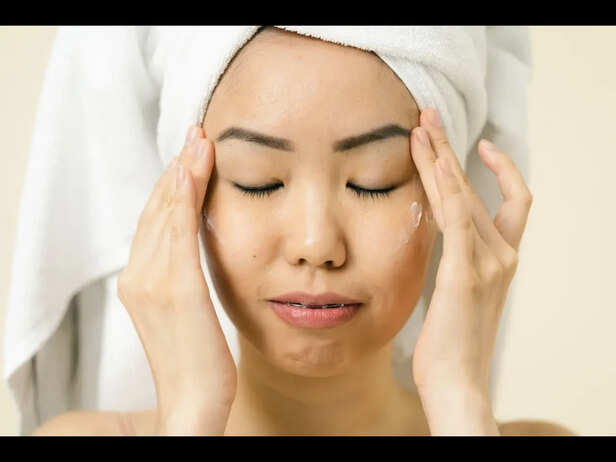
Lock In Overnight Hydration
Image credit : Pexels
Nighttime is when your skin naturally loses moisture. Dry indoor air and air conditioning can make this even worse. A nourishing moisturizer helps strengthen the skin barrier and locks in hydration while you sleep. Ingredients like hyaluronic acid, ceramides, glycerin, and squalane are especially helpful because they attract and retain moisture. You do not necessarily need a separate night cream. A good moisturizer that suits your skin can provide enough support for overnight repair. Consistent hydration often leads to softer skin, fewer dry patches, and a healthier glow by morning.
Change Your Pillowcase Regularly
Stay Hydrated Before Bed
Get Enough Quality Sleep

Your Beauty Sleep Matters
Image credit : Pexels
The phrase "beauty sleep" is backed by science. During deep sleep, the body increases blood circulation and boosts the production of collagen, the protein responsible for keeping skin firm and smooth. Poor sleep, on the other hand, can increase stress hormones like cortisol, which may worsen acne and inflammation. Aim for seven to nine hours of quality sleep each night. Creating a calming bedtime routine, reducing screen time, and keeping your room cool and dark can help improve sleep quality. A well-rested body often shows up first on your face.
Small Nighttime Habits Can Lead to Big Skin Changes
Unlock insightful tips and inspiration on personal growth, productivity, and well-being. Stay motivated and updated with the latest atMy Life XP.