Pick up almost any face oil and the label will use the word nourishing. A few will say hydrating. Neither word is wrong, exactly, but one of them is misleading in a way that quietly undermines a skincare routine. Oils and water do different jobs on skin, and the confusion between them is why some people layer expensive products and still feel tight by mid-afternoon.
Skin Holds Water, Not Oil, as Its Main Moisture Reserve
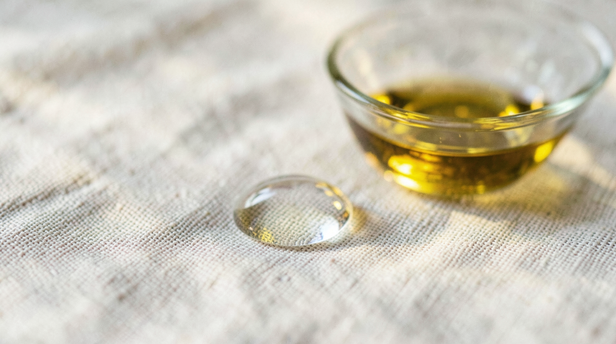
![Water and Oil Separation]()
Water and Oil Separation
Image credit : MyLifeXP Bureau
The outer layer of skin, the stratum corneum, is made up of dead, flattened cells embedded in a matrix of lipids. Those lipids include ceramides, fatty acids, and cholesterol. They form the barrier that keeps water inside the skin from evaporating into the air around you. Healthy skin holds onto water in its cells. That water content is what makes skin feel plump, soft, and supple. It is not oil that the skin is trying to retain, it is water. Transepidermal water loss, the process by which water escapes through the skin surface, is the mechanism behind most of what people call dry skin. When the barrier is intact, water loss is slow. When it is compromised, by harsh cleansers, cold air, over-exfoliation, or age, water escapes faster than the skin can hold onto it, and the result is tightness, flaking, and dullness.
What an Oil Can and Cannot Do at the Surface
A face oil sits on top of the stratum corneum. Its molecules are, in most cases, too large to pass through the tight junctions between cells and reach the water-holding layers beneath. What it does instead is form a partial seal over the surface, slowing the rate at which water evaporates. This is called occlusion. It is genuinely useful, a well-chosen oil applied over a water-based layer will help that layer stay in place longer. But occlusion is not the same as hydration. An oil applied to skin that is already depleted of water does not replace that water. It seals in whatever small amount remains. If the skin was dry before the oil went on, it will still be dry underneath the oil. The surface may feel smoother because the oil fills in micro-texture, but the cells beneath are not more hydrated than they were.
How Water-Based Products Actually Deliver Moisture
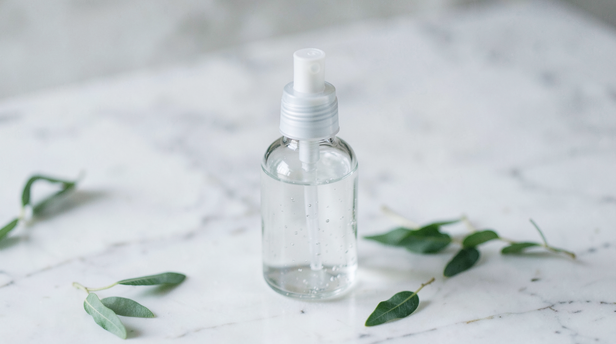
![Gel Moisturizer Still Life]()
Gel Moisturizer Still Life
Image credit : MyLifeXP Bureau
A water-based moisturiser, a gel, a lotion, a serum with a watery texture, works through a different mechanism. The water itself is the delivery vehicle, and the humectants it carries, ingredients like glycerin, hyaluronic acid, or aloe vera, attract water molecules and draw them into the upper layers of the skin. Hyaluronic acid is worth understanding specifically: it is a molecule that can hold many times its own weight in water, and when it is present in the skin, it pulls moisture from the air and from deeper skin layers toward the surface. A water-based product deposits both the water and the humectant. The humectant then continues working after the product has been absorbed, drawing in more water over time. This is what genuine surface hydration looks like, not a coating, but an increase in the water content of the cells themselves.
Why the Order of Application Is Not a Style Choice
The practical consequence of all of this is that layering order matters in a way that is grounded in chemistry, not convention. Water-based products need to go on first, while the skin is still slightly damp from cleansing or a toner, so the humectants have water available to work with. The oil goes on last, over the water-based layer, where it acts as a seal. Applied the other way around, the oil sits between the skin and the water-based product and physically blocks absorption. The humectants in the moisturiser cannot reach the skin surface through a layer of oil. The routine looks the same from the outside but delivers almost nothing. Skin that feels persistently dry despite a full routine is often experiencing exactly this: the steps are right, the order is reversed.
Which Skin Types Actually Benefit from Face Oil
Face oils are genuinely useful for skin that has a compromised barrier, skin that loses water faster than average because its lipid matrix is thin or damaged. In this case, the oil is supplementing what the barrier cannot do on its own, providing the occlusive layer the skin's own lipids are failing to provide. Dry skin in cold, low-humidity conditions benefits from this. So does skin that has been over-stripped by actives or a long period of harsh cleansing. Oily skin is a more complicated case. Sebaceous glands already produce oil, and the surface already has occlusion. Adding more oil to oily skin does not address the hydration question at all, the issue for oily skin is usually that the barrier is still losing water, just not through a lack of surface lipids. A lightweight water-based moisturiser does more for oily skin than any face oil, because it addresses the actual deficit. The idea that oily skin does not need moisture is one of the more durable myths in this category, and it rests on the same confusion between oil and water.
The distinction between hydrating and sealing is not a technicality. It determines which product does the actual work, which one supports it, and what happens when the two are swapped around. An oil is not a substitute for a water-based layer, it is what makes that layer last. Used in that sequence, both earn their place. Used alone, the oil is doing half a job and calling it complete.
Unlock insightful tips and inspiration on personal growth, productivity, and well-being. Stay motivated and updated with the latest at
My Life XP.