
5 Foods That Were Once Reserved for Royal Families but Are on Everyone's Plate Today
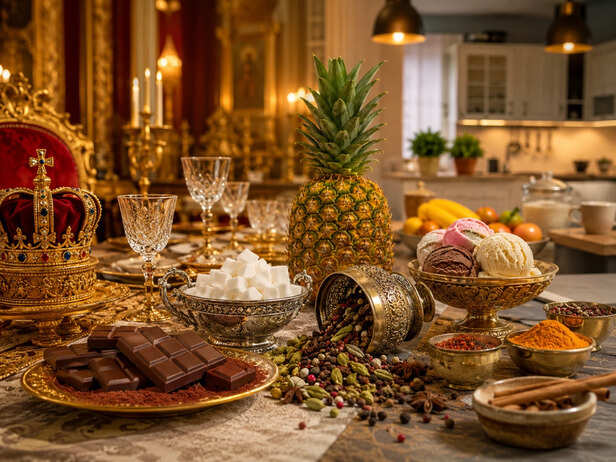
Food has always reflected social status. In ancient kingdoms and medieval courts, what appeared on a dining table often determined one's position in society. Kings and queens displayed their power through lavish feasts featuring ingredients that common people could rarely even see, let alone taste. Today, many of these once-exclusive foods are available in supermarkets, bakeries, and neighborhood cafés. What was once a privilege of royalty has become accessible to millions, reminding us how dramatically global trade, technology, and farming practices have changed the way we eat. Here are five foods that once graced royal banquets and noble households but are now enjoyed by almost everyone.
Sugar Was Once Called White Gold
It's difficult to imagine modern life without sugar. It sweetens desserts, tea, coffee, and countless packaged foods. Yet for centuries, sugar was considered one of the most luxurious substances in the world. During the Middle Ages in Europe, sugar was imported from distant lands and transported through expensive trade routes. Its rarity made it incredibly costly. Wealthy nobles used sugar sculptures and decorative confections to impress guests at grand feasts. In some royal courts, sugar was even prescribed as medicine because it was believed to possess healing properties. Only kings, queens, and aristocrats could regularly consume sugar. Ordinary people relied on honey for sweetness. The establishment of sugar plantations and advancements in refining techniques gradually lowered costs. By the nineteenth century, sugar became widely available and eventually turned into a household staple. Today, sugar sits casually in kitchen jars, a far cry from its days as a prized symbol of wealth and prestige.
Chocolate Was an Elite Drink of Emperors
Chocolate may be one of the world's favorite treats today, but its origins are deeply connected with royalty and nobility. The ancient Maya and Aztec civilizations prepared a bitter cacao drink flavored with spices. It was often reserved for rulers, priests, warriors, and honored guests. Historical accounts suggest that the Aztec emperor consumed large quantities of cacao beverages during ceremonial occasions. When cacao reached Europe in the sixteenth century, it quickly gained popularity among royal families. Sweetened with expensive sugar and flavored with vanilla, cinnamon, and exotic spices, hot chocolate became a fashionable drink in royal courts. Special porcelain cups and silver serving sets were designed exclusively for chocolate consumption. The Industrial Revolution transformed chocolate production. Mechanized processing and mass manufacturing made chocolate bars and cocoa powder affordable to wider populations. Today, chocolate is one of the most common comfort foods, available in countless varieties ranging from inexpensive candies to luxury artisanal creations.
Pineapples Were Once a Symbol of Absolute Luxury
Few fruits have undergone as dramatic a transformation in social status as the pineapple. When pineapples were first introduced to Europe from the Americas, they became a sensation among aristocrats. Their exotic appearance, sweet aroma, and difficulty in cultivation made them extraordinarily expensive. Growing pineapples in European climates required specially heated greenhouses, which only wealthy landowners could afford. Some noble families displayed pineapples as decorative centerpieces at banquets without even eating them. In eighteenth-century England, possessing a pineapple was considered a statement of wealth. Some people reportedly rented pineapples simply to showcase them during social gatherings. Improved transportation networks and large-scale tropical farming eventually made pineapples widely accessible. Today, fresh pineapples can be found in fruit markets year-round, making it hard to imagine they were once treasured possessions fit mainly for kings and nobles.
Spices Like Pepper Were Worth Fortunes
Black pepper is now one of the most common seasonings in kitchens worldwide. Yet there was a time when it was almost as valuable as precious metals. In medieval Europe, spices imported from Asia carried enormous price tags because of dangerous and lengthy trade journeys. Pepper, cloves, nutmeg, and cinnamon symbolized wealth and sophistication. Pepper was often used as a form of currency. Nobles and royal households stocked vast quantities of spices to showcase their affluence during elaborate feasts. Serving heavily spiced dishes signaled access to global trade networks and immense purchasing power. Exploration, maritime trade expansion, and colonial plantations dramatically increased spice availability. Prices gradually declined, allowing ordinary households to incorporate spices into daily cooking. Today, a pepper shaker sits unnoticed on most dining tables, despite once representing extraordinary privilege.
Ice Cream Was a Rare Treat for Kings and Queens
Ice cream has become a universal dessert associated with summer outings and celebrations. However, centuries ago, frozen desserts were among the most exclusive culinary experiences imaginable. Before refrigeration technology existed, obtaining and preserving ice required significant effort. Wealthy families collected winter ice and stored it in underground ice houses for use throughout warmer months. European monarchs enjoyed frozen delicacies made from cream, fruit purees, and sugar. These desserts were often prepared by highly skilled chefs and served only during royal festivities. Because ingredients like sugar and cream were themselves expensive, ice cream remained inaccessible to most people. The invention of mechanical refrigeration revolutionized dessert production. Ice cream factories emerged, reducing costs and expanding availability. Today, ice cream carts, parlors, and supermarkets ensure that a dessert once reserved for palaces can now be enjoyed by nearly anyone craving a sweet indulgence.
From Palace Banquets to Everyday Tables
Food tells stories about changing societies, evolving economies, and shifting definitions of luxury. Sugar, chocolate, pineapples, spices, and ice cream once symbolized privilege, power, and exclusivity. They decorated royal tables, impressed foreign dignitaries, and reflected access to rare resources. Over time, global commerce, technological innovation, and agricultural expansion democratized these foods, allowing millions to enjoy what was once available only to kings and queens. Their journey from royal feasts to ordinary kitchens reminds us that today's everyday comforts were once extraordinary treasures.
Unlock insightful tips and inspiration on personal growth, productivity, and well-being. Stay motivated and updated with the latest at My Life XP.