
Your Fridge Isn’t Always Protecting Your Food During Monsoon: Here’s Why
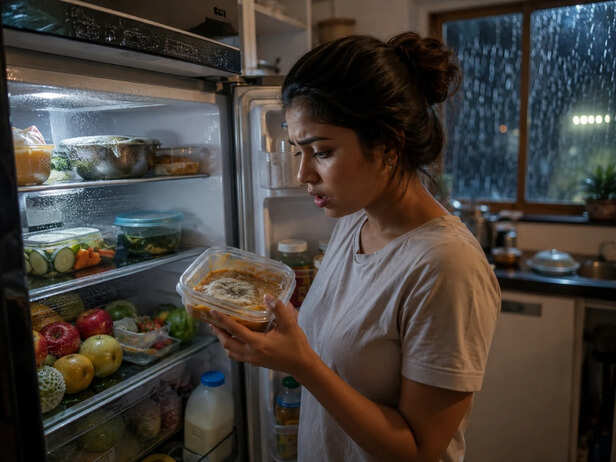
You put last night’s dal in the fridge, close the door and assume the job is done. A day later, it smells a little strange. The vegetables look soggy, the bread has suspicious spots and that leftover curry suddenly looks like it has been there for a week. So, what happened? Monsoon changes more than the weather outside. Higher humidity and damp conditions can ealso ncourage the growth of bacteria, fungi and other microorganisms, which is why food safety becomes especially important during the rainy season. FSSAI has also recently urged households to pay closer attention to kitchen and food hygiene during monsoon. And yes, your refrigerator helps. But it is not magic.
Humidity Can Sneak Into Your Food
The biggest monsoon culprit is moisture. When the air is already humid, food can pick up additional moisture, especially when it is left uncovered or stored incorrectly. That extra moisture can affect texture and create conditions that make spoilage easier. This is particularly noticeable with cut fruits, vegetables, cooked food and even some dry ingredients. The fix is surprisingly simple: keep food properly covered. Airtight containers can help reduce moisture exposure and prevent food from absorbing unwanted smells and contaminants inside the refrigerator.
A Cold Fridge Does Not Mean Germ-Free Food
Here is the part many people forget: refrigeration slows the growth of harmful bacteria, but it does not eliminate every food-safety risk. FSSAI recommends keeping refrigerated food properly chilled and stresses that cold temperatures help slow bacterial growth. It also advises against overcrowding the refrigerator because cold air needs to circulate properly. That means simply putting a hot, uncovered bowl into an already packed refrigerator and forgetting about it is not the best strategy. Your fridge needs to work efficiently too.
Overcrowding Could Be Making Things Worse
During monsoon, many kitchens become storage central. Vegetables, leftovers, fruits, milk packets and containers of cooked food all get pushed into the refrigerator. But stuffing the fridge can restrict cold-air circulation. If certain areas are not cooling properly, food may not remain at a consistently safe temperature. FSSAI guidance recommends keeping potentially high-risk foods at or below 5°C and storing food in a way that allows uniform cooling. So, leave some breathing room between containers instead of playing refrigerator Tetris.
Your Storage Habits Matter More Than You Think
Sometimes the problem is not the fridge at all. It is what goes inside it. Leaving food uncovered, using dirty serving spoons or storing raw and cooked foods too close together can increase the chances of contamination. FSSAI specifically recommends keeping cooked or ready-to-eat foods separate from raw foods. It also warns that cross-contamination can happen inside a refrigerator, including when juices from raw foods come into contact with cooked food. A simple system works best: cover leftovers, use clean utensils and keep raw and cooked foods separated.
That “I’ll Eat It Tomorrow” Habit Needs a Monsoon Upgrade
We have all done it. You make too much food, put it in the fridge and tell yourself you will finish it tomorrow. Then tomorrow becomes the day after tomorrow. During monsoon, it is better not to treat the refrigerator like a time capsule. FSSAI advises cooling cooked food quickly and storing it properly, while its food-safety guidance recommends regularly using or discarding refrigerated leftovers. If something smells unusual, develops visible mould, changes texture dramatically or simply looks suspicious, do not rely on reheating to “save” it. When in doubt, throwing it out is safer than taking a chance.
Your Fridge Needs a Little Help Too
The monsoon does not mean every refrigerated food will spoil overnight. But it does mean your usual storage habits deserve a little more attention. Keep the refrigerator clean, avoid overloading it, cover food properly, separate raw and cooked items and do not let leftovers sit forgotten for days. Your fridge can slow spoilage. It cannot fix poor food storage. And during monsoon, that small distinction can make a surprisingly big difference to what ends up on your plate.
Unlock insightful tips and inspiration on personal growth, productivity, and well-being. Stay motivated and updated with the latest atMy Life XP.