The Real Feminists of India: 15 Forgotten Women Who Wrote Our Constitution
Noopur Kumari | Aug 12, 2026, 17:00 IST
During the 2 years, 11 months, and 17 days that it took the Constituent Assembly to deliberate from 1946 until 1949, these 15 women fought for issues of gender equality, minority rights, labor protection, and social justice at a time when very few in positions of authority even raised such questions. While none of them served as members of the Drafting Committee, their voices made it into the Constitution through various provisions regarding fundamental rights, reservation policy, uniform civil code, and the respect owed to India’s most marginalized communities.

The Real Feminists of India
Image credit : ChatGPT(AI)
Every year on the day of Independence, we honor the men whose images adorn our schoolbooks Nehru, Patel, Ambedkar, Gandhi. We decorate their portraits, quote their speeches and pass on their names to our children. In the process, however, between the lines of history, we somehow forgot to ask a simple question: what happened to the women in the room?
The truth is truly amazing. While drafting the document which was to govern the life of 340 million people, there were 15 women out of the 299 people involved in writing the constitution. They were not mere tokenism included in order to achieve numerical balance. They were lawyers, freedom fighters, doctors, poets, social reformers and political prisoners who had been fighting the British for years before that, and who continued to fight for nearly three more years in order to ensure that the Constitution did not forget about half of India.
On the day of our Independence, while discussing the theme of independence, let us first of all recall who actually fought for our country and drafted its laws.
![Hansa Jivraj Mehta]()
If there is any woman who deserves to be known by everyone at home, it is none other than Hansa Mehta. Being a member of the assembly's advisory committee on fundamental rights, she strongly advocated the incorporation of the right of gender equality in the constitution as a right rather than a recommendation. The impact of Hansa Mehta was not confined within the national boundaries; being a part of the UN Human Rights Commission, it is said that it was she who modified the wording of the declaration of human rights from "All men are born free and equal" to "All human beings are born free and equal."
![Durgabai Deshmukh]()
No woman debated as much as G. Durgabai did in the Assembly discussions. She was a lawyer who had founded the Andhra Mahila Sabha and had always been an advocate of education for women and inheritance rights for women. Later in life, she worked very hard to set up the Central Social Welfare Board. While she fought for women's welfare in her speech, she set up the organization to provide it.
Rajkumari
Coming from an aristocratic background, Rajkumari Amrit Kaur sacrificed her luxurious lifestyle to work for the Indian freedom movement under the leadership of Mahatma Gandhi and was imprisoned several times by the British government due to her activities. In the Assembly, she emphasized the importance of free and compulsory education and was an ardent opponent of untouchability and discrimination. She went on to become India's first Health Minister and the lady responsible for establishing AIIMS.
The sister of Jawaharlal Nehru, Vijaya Lakshmi Pandit was a remarkable diplomat herself who went on to become the first woman President of the UN General Assembly. In the Constituent Assembly, she injected the international outlook into the making of the Constitution of India, emphasizing that a country which had just gained its freedom had to formulate laws on the same equality that it wanted from its colonizers.
There can be few more poignant images associated with India’s struggle for Independence than that of Sucheta Kripalani, singing “Vande Mataram” in the Constituent Assembly at the stroke of midnight on 14-15 August 1947, while the entire subcontinent was in turmoil due to Partition. A freedom fighter who had strived ceaselessly for the rehabilitation of women refugees during Partition, she went on to become India’s first woman Chief Minister. Her presence in the Assembly was a testimony to the fact that the Constitution was being framed amidst one of the worst human upheavals in history.
Dakshayani Velayudhan was the only Dalit woman member in the Constituent Assembly of India, and the first Dalit woman who graduated in India. Velayudhan utilized her presence in the Constituent Assembly to boldly challenge untouchability and call for making an effective Constitutional framework to abolish the practice of caste discrimination rather than making mere allusions to it. In an age where caste and gender marginalized Dakshayani Velayudhan, she spoke in such a manner that it made the Constituent Assembly realize the harsh truth it was trying to avoid.
As the only Muslim lady in the Assembly, Aizaz Rasul deliberately chose to remain in India despite the Partition and spoke up for the interests of Muslim women in the new republic. She was among the strongest voices in the Assembly regarding minority issues, and she always opposed the system of separate electorates, advocating integration and secularism. Being part of the Assembly was in itself a rejection of the claim that India’s Muslims did not have an interest in drafting the Constitution.
The Women’s India Association was founded by Ammu Swaminathan in 1917 in collaboration with Annie Besant, many decades before the struggle for independence was even thought about. By the time she arrived at the Constituent Assembly, she had devoted thirty years of her life organizing the women politically. She was strongly in favour of equality of women in the constitution.
Annie Mascarene was an important voice in the deliberations regarding federalism and the unification of princely states, during a time when even the geography of India was not clear. Being a trained lawyer and one of the most aggressive freedom fighters from Travancore, she later went on to become the first woman from Kerala to ever be part of the Lok Sabha.
One of the strongest voices among the women in the Assembly was Renuka Ray, who strongly advocated for the rights of equality and justice for women. In particular, she had always said that the rights of women could not be left to the mercy of men in power, but should be made a matter of law.
Fifteen women served in the Constituent Assembly, carrying decades of struggle into India’s freedom story. They fought for equality, education, dignity and inheritance rights, ensuring women’s citizenship was recognised as a right, not a privilege. This Independence Day, remember that India’s Constitution was shaped not only by men, but by determined women too.
Unlock insightful tips and inspiration on personal growth, productivity, and well-being. Stay motivated and updated with the latest at My Life XP.
What was the contribution of these women?
They fought for equality, education, social justice, respect and women’s rights in the process of drafting the Constitution.
Did any of the women become part of the Drafting Committee?
No. None of the 15 women members became a part of the Drafting Committee that was headed by Dr B.R. Ambedkar.
Why are these women significant?
Their inclusion indicated that the idea of Indian freedom and democracy should include women as equal citizens.
Why is the contribution of these women significant on the day of Independence?
Freedom does not only mean freedom from colonial rule; it also means making a country in which all citizens will have equal rights.
The truth is truly amazing. While drafting the document which was to govern the life of 340 million people, there were 15 women out of the 299 people involved in writing the constitution. They were not mere tokenism included in order to achieve numerical balance. They were lawyers, freedom fighters, doctors, poets, social reformers and political prisoners who had been fighting the British for years before that, and who continued to fight for nearly three more years in order to ensure that the Constitution did not forget about half of India.
On the day of our Independence, while discussing the theme of independence, let us first of all recall who actually fought for our country and drafted its laws.
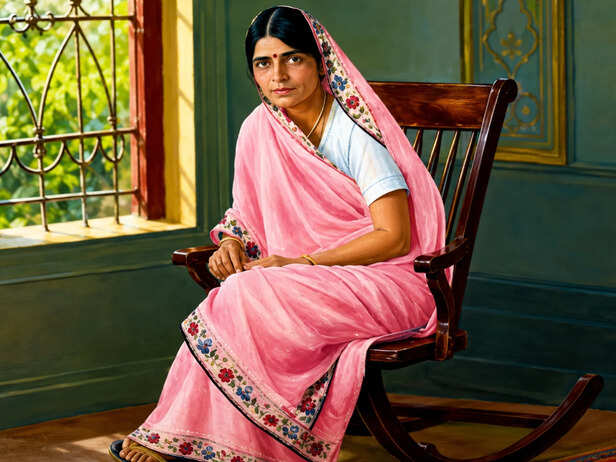
Hansa Jivraj Mehta
Hansa Jivraj Mehta
Image credit : ChatGPT(AI)
If there is any woman who deserves to be known by everyone at home, it is none other than Hansa Mehta. Being a member of the assembly's advisory committee on fundamental rights, she strongly advocated the incorporation of the right of gender equality in the constitution as a right rather than a recommendation. The impact of Hansa Mehta was not confined within the national boundaries; being a part of the UN Human Rights Commission, it is said that it was she who modified the wording of the declaration of human rights from "All men are born free and equal" to "All human beings are born free and equal."
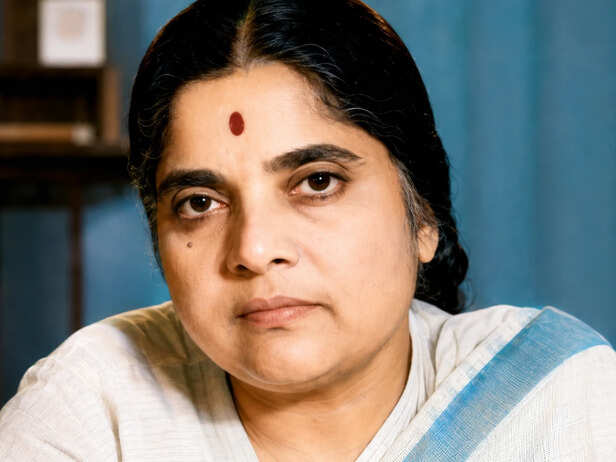
Durgabai Deshmukh
Durgabai Deshmukh
Image credit : ChatGPT(AI)
No woman debated as much as G. Durgabai did in the Assembly discussions. She was a lawyer who had founded the Andhra Mahila Sabha and had always been an advocate of education for women and inheritance rights for women. Later in life, she worked very hard to set up the Central Social Welfare Board. While she fought for women's welfare in her speech, she set up the organization to provide it.
Rajkumari Amrit Kaur
Coming from an aristocratic background, Rajkumari Amrit Kaur sacrificed her luxurious lifestyle to work for the Indian freedom movement under the leadership of Mahatma Gandhi and was imprisoned several times by the British government due to her activities. In the Assembly, she emphasized the importance of free and compulsory education and was an ardent opponent of untouchability and discrimination. She went on to become India's first Health Minister and the lady responsible for establishing AIIMS.
Vijaya Lakshmi Pandit
Sucheta Kripalani
There can be few more poignant images associated with India’s struggle for Independence than that of Sucheta Kripalani, singing “Vande Mataram” in the Constituent Assembly at the stroke of midnight on 14-15 August 1947, while the entire subcontinent was in turmoil due to Partition. A freedom fighter who had strived ceaselessly for the rehabilitation of women refugees during Partition, she went on to become India’s first woman Chief Minister. Her presence in the Assembly was a testimony to the fact that the Constitution was being framed amidst one of the worst human upheavals in history.
Dakshayani Velayudhan
Begum Aizaz Rasul
As the only Muslim lady in the Assembly, Aizaz Rasul deliberately chose to remain in India despite the Partition and spoke up for the interests of Muslim women in the new republic. She was among the strongest voices in the Assembly regarding minority issues, and she always opposed the system of separate electorates, advocating integration and secularism. Being part of the Assembly was in itself a rejection of the claim that India’s Muslims did not have an interest in drafting the Constitution.
Ammu Swaminathan
The Women’s India Association was founded by Ammu Swaminathan in 1917 in collaboration with Annie Besant, many decades before the struggle for independence was even thought about. By the time she arrived at the Constituent Assembly, she had devoted thirty years of her life organizing the women politically. She was strongly in favour of equality of women in the constitution.
Annie Mascarene
Annie Mascarene was an important voice in the deliberations regarding federalism and the unification of princely states, during a time when even the geography of India was not clear. Being a trained lawyer and one of the most aggressive freedom fighters from Travancore, she later went on to become the first woman from Kerala to ever be part of the Lok Sabha.
Renuka Ray
One of the strongest voices among the women in the Assembly was Renuka Ray, who strongly advocated for the rights of equality and justice for women. In particular, she had always said that the rights of women could not be left to the mercy of men in power, but should be made a matter of law.
Why They Were "True Feminists"
Unlock insightful tips and inspiration on personal growth, productivity, and well-being. Stay motivated and updated with the latest at My Life XP.
Frequently Asked Questions (FAQs)
They fought for equality, education, social justice, respect and women’s rights in the process of drafting the Constitution.
Did any of the women become part of the Drafting Committee?
No. None of the 15 women members became a part of the Drafting Committee that was headed by Dr B.R. Ambedkar.
Why are these women significant?
Their inclusion indicated that the idea of Indian freedom and democracy should include women as equal citizens.
Why is the contribution of these women significant on the day of Independence?
Freedom does not only mean freedom from colonial rule; it also means making a country in which all citizens will have equal rights.