5 Silent Eye Warning Signs You Should Never Ignore
Noopur Kumari | Tue, 19 May 2026
Millions of people worldwide suffer from preventable vision problems because early symptoms are often ignored. From blurred vision and headaches to redness, floaters, and night vision difficulties, your eyes may quietly signal serious underlying conditions such as cataracts, diabetes, dry eye disease, or retinal damage. Experts warn that regular eye exams and early treatment can prevent long-term complications and even blindness. Understanding these silent warning signs may help protect not only your eyesight but also your overall health.

Most people think eye problems begin with major vision loss. But the truth is far more dangerous. Your eyes often send quiet warning signals long before serious damage begins. A little blur, slight irritation, occasional headaches, or trouble seeing at night may seem harmless at first. Many people blame stress, mobile screens, or lack of sleep. But sometimes, these small symptoms are your body’s way of asking for help. And ignoring them for too long can permanently affect your vision. That is why doctors say early eye warning signs should never be taken lightly.
Blurred Vision Is Not Always Screen Fatigue
![Young professional rubbing eyes while working on laptop]()
Most people experience occasional blurry vision after spending hours on phones or laptops. But when vision repeatedly shifts between clear and blurry, it should not be ignored. Experts say this may signal refractive problems, early cataracts, or even changes linked with diabetes. The dangerous part is that these conditions often develop slowly without pain. Many people continue daily life assuming the problem will disappear naturally. By the time vision becomes severely affected, treatment may become more difficult. That is why repeated blurry vision deserves professional attention instead of home remedies or guesswork.
![Close-up of red and irritated human eyes]()
Frequent headaches during reading, driving, or screen use are often dismissed as stress. But eye specialists say they may indicate uncorrected vision issues, poor eye alignment, or dry eye disease. Over time, continuous strain can reduce comfort and concentration during normal activities. In some cases, infections or inflammation may also develop silently. Many people unknowingly ignore these symptoms for months because they seem minor. However, persistent eye discomfort is often the body’s way of warning that something deeper needs medical attention before long-term damage begins affecting vision quality.
![Driver struggling with bright lights at night]()
Red or watery eyes are commonly blamed on dust, allergies, or lack of sleep. But when irritation becomes frequent, doctors warn it could point to dry eye syndrome, infection, or inflammation. Left untreated, these conditions may slowly damage the eye surface and increase the risk of complications. The biggest problem is that people often buy random eye drops without understanding the real cause. Temporary relief can hide the deeper issue while the condition quietly worsens. Persistent redness is not just discomfort — sometimes it is an early signal of serious eye stress.
Night
Many people notice glare from headlights or difficulty seeing clearly at night but ignore it as ageing. However, experts say poor night vision can be linked to early cataracts or retinal problems. These symptoms usually appear gradually, which makes them easy to overlook. Over time, they begin affecting driving, reading signs, and daily confidence after sunset. Light sensitivity may also increase, making bright environments uncomfortable. Doctors warn that ignoring these changes for too long can delay diagnosis and allow silent eye damage to progress further.
Occasional floaters are common and usually harmless. But a sudden increase in floaters, flashes of light, or shadow-like areas in vision can become extremely dangerous. Eye experts say these symptoms may indicate retinal detachment, a serious condition requiring immediate medical care. Ignoring such signs can sometimes lead to permanent vision loss. Because the symptoms often appear suddenly, many people panic too late. That is why doctors strongly advise seeking emergency eye evaluation whenever flashes or sudden visual changes appear unexpectedly.
Many people believe eye exams are only needed when changing glasses. But routine check-ups can detect glaucoma, diabetic eye disease, retinal damage, and blood pressure-related problems long before symptoms become severe. The most dangerous eye conditions often progress silently without pain. Early diagnosis dramatically improves treatment success and reduces the risk of permanent damage. Doctors repeatedly stress that regular eye exams are one of the simplest ways to protect both vision and overall health. In many cases, a small check-up today can prevent major vision loss tomorrow.
Unlock insightful tips and inspiration on personal growth, productivity, and well-being. Stay motivated and updated with the latest at My Life XP.
1. Why should blurry vision never be ignored?
Frequent or fluctuating blurry vision may signal refractive errors, cataracts, diabetes-related eye changes, or other underlying conditions that need medical attention.
2. Can headaches be connected to eye problems?
Yes, regular headaches and eye strain can be caused by uncorrected vision issues, poor eye alignment, dry eyes, or excessive screen exposure.
3. Are red or watery eyes always harmless?
Not always. Persistent redness or irritation may indicate dry eye syndrome, infections, allergies, or inflammation that can damage the eye if untreated.
4. Why is night vision difficulty considered dangerous?
Trouble seeing at night or increased glare sensitivity may be an early sign of cataracts or retinal problems that gradually worsen over time.
5. What are eye floaters and when should they become a concern?
Small floaters are common, but sudden flashes of light, a rapid increase in floaters, or shadowy vision may indicate retinal detachment and require urgent medical care.
Blurred Vision Is Not Always Screen Fatigue

Young professional rubbing eyes while working on laptop
Most people experience occasional blurry vision after spending hours on phones or laptops. But when vision repeatedly shifts between clear and blurry, it should not be ignored. Experts say this may signal refractive problems, early cataracts, or even changes linked with diabetes. The dangerous part is that these conditions often develop slowly without pain. Many people continue daily life assuming the problem will disappear naturally. By the time vision becomes severely affected, treatment may become more difficult. That is why repeated blurry vision deserves professional attention instead of home remedies or guesswork.
Headaches And Eye Strain Can Be Early Warnings
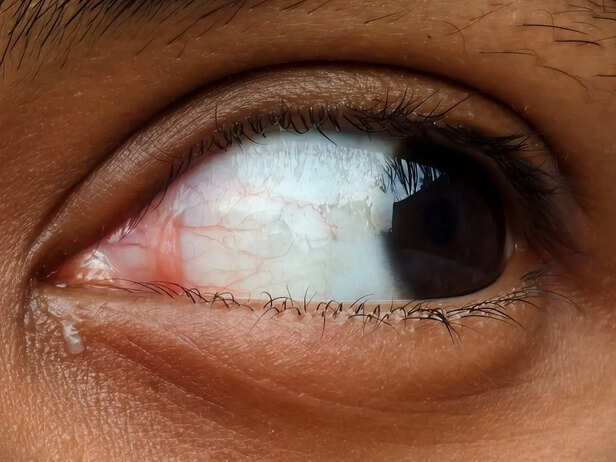
Close-up of red and irritated human eyes
Frequent headaches during reading, driving, or screen use are often dismissed as stress. But eye specialists say they may indicate uncorrected vision issues, poor eye alignment, or dry eye disease. Over time, continuous strain can reduce comfort and concentration during normal activities. In some cases, infections or inflammation may also develop silently. Many people unknowingly ignore these symptoms for months because they seem minor. However, persistent eye discomfort is often the body’s way of warning that something deeper needs medical attention before long-term damage begins affecting vision quality.
Redness And Irritation Should Never Be Ignored

Driver struggling with bright lights at night
Red or watery eyes are commonly blamed on dust, allergies, or lack of sleep. But when irritation becomes frequent, doctors warn it could point to dry eye syndrome, infection, or inflammation. Left untreated, these conditions may slowly damage the eye surface and increase the risk of complications. The biggest problem is that people often buy random eye drops without understanding the real cause. Temporary relief can hide the deeper issue while the condition quietly worsens. Persistent redness is not just discomfort — sometimes it is an early signal of serious eye stress.
Night Vision Problems Can Signal Hidden Damage
Floaters And Flashes Can Become Medical Emergencies
Why Regular Eye Exams Matter More Than You Think
Unlock insightful tips and inspiration on personal growth, productivity, and well-being. Stay motivated and updated with the latest at My Life XP.
Frequently Asked Questions (FAQs)
Frequent or fluctuating blurry vision may signal refractive errors, cataracts, diabetes-related eye changes, or other underlying conditions that need medical attention.
2. Can headaches be connected to eye problems?
Yes, regular headaches and eye strain can be caused by uncorrected vision issues, poor eye alignment, dry eyes, or excessive screen exposure.
3. Are red or watery eyes always harmless?
Not always. Persistent redness or irritation may indicate dry eye syndrome, infections, allergies, or inflammation that can damage the eye if untreated.
4. Why is night vision difficulty considered dangerous?
Trouble seeing at night or increased glare sensitivity may be an early sign of cataracts or retinal problems that gradually worsen over time.
5. What are eye floaters and when should they become a concern?
Small floaters are common, but sudden flashes of light, a rapid increase in floaters, or shadowy vision may indicate retinal detachment and require urgent medical care.