Why India Called Dutch Remarks A ‘Lack Of Knowledge’
Noopur Kumari | Tue, 19 May 2026
India has strongly rejected reported remarks by Dutch leaders regarding press freedom and minority rights. During PM Modi’s Netherlands visit, Indian diplomat Sibi George defended India as a vibrant democracy built on diversity, peaceful coexistence, and democratic values. He argued that criticism often comes from a lack of understanding about India’s civilisational depth and religious harmony. The exchange has now sparked global debate online, with many discussing whether foreign nations truly understand India’s unique social and political structure.

A single question during Prime Minister Narendra Modi’s Netherlands visit suddenly turned into a major diplomatic moment. What began as a discussion on press freedom and minority rights quickly became a powerful defence of India’s democracy, diversity, and civilisational identity. But what truly shocked many people was the sharp phrase used by India’s top diplomat “lack of understanding.”
Why did India respond so strongly? And what deeper message was New Delhi trying to send to the world? The answer reveals far more than a routine political disagreement.
![PM Modi-Dutch PM Jetten hold bilateral talks as India, Netherlands exchange several MoUs]()
The controversy began when a Dutch journalist questioned why there was no joint press interaction during PM Modi’s visit. The conversation soon shifted toward concerns about press freedom and minority rights in India. What seemed like a routine media question quickly became tense. India’s response was immediate and firm. Instead of avoiding the topic, officials directly challenged the assumptions behind the criticism. That sudden shift transformed the interaction into one of the most discussed diplomatic moments from the entire Netherlands visit.
![PM Modi lands in Amsterdam for second leg of five-nation tour, to meet Dutch PM Jetten]()
Sibi George strongly defended India by saying such questions arise because of a “lack of understanding.” His statement immediately grabbed headlines. He explained that India cannot be judged through a narrow political lens because it is a civilisation that is more than 5,000 years old. According to him, India’s complexity, diversity, and democratic culture are often misunderstood abroad. His words were not only a rebuttal to criticism but also an attempt to reshape how the world views India’s social and political identity.
India’s response focused heavily on religious diversity and coexistence. Officials pointed out that Hinduism, Buddhism, Jainism, and Sikhism all originated in India and continue to flourish there. They also highlighted how Jewish communities lived in India for centuries without persecution. Christianity and Islam, too, became deeply rooted in Indian society over time. By presenting these examples, India attempted to show that religious pluralism is part of the country’s foundation itself. This argument became one of the strongest emotional and historical points during the diplomatic exchange.
Indian officials also highlighted the country’s election process as proof of democratic health. They pointed to massive voter participation and peaceful transfers of power across states. According to the government, this level of democratic engagement reflects public trust in the system. Officials argued that despite being one of the world’s most populated countries, India continues to function through democratic methods rather than instability or violence. This defence aimed to counter global criticism by presenting India’s electoral process as one of the strongest examples of democracy anywhere in the world.
One of the most discussed moments came when India stated that minority populations have increased significantly since independence. Officials claimed this growth itself reflects safety and coexistence within the country. The statement quickly sparked reactions online, with supporters praising the argument while critics questioned the broader political realities. Regardless of differing opinions, the point became central to India’s defence strategy. It shifted the debate away from allegations and toward measurable demographic changes, making the discussion far more intense across international media and social platforms.
This was not just a disagreement between two governments. It reflected a larger global debate about democracy, media freedom, national identity, and foreign criticism. As India’s international influence grows, scrutiny from global media and foreign leaders is also increasing. But India’s response showed that New Delhi is now far more willing to openly challenge narratives it believes are unfair or incomplete. That is why this moment matters beyond one press conference. It reveals how modern diplomacy is increasingly becoming a battle of narratives, perception, and national image.
Unlock insightful tips and inspiration on personal growth, productivity, and well-being. Stay motivated and updated with the latest at My Life XP.
1. Why did India reject the Dutch remarks?
India rejected the remarks because officials believed the criticism about press freedom and minority rights came from a misunderstanding of India’s democracy, diversity, and social structure.
2. What did the Indian diplomat say during the response?
Sibi George said such concerns arise due to a “lack of understanding” about India and highlighted the country’s 5,000-year-old civilisation, democracy, and religious diversity.
3. What concerns were raised by the Dutch side?
According to reports, questions were raised regarding press freedom, minority rights, and the absence of a joint press conference during PM Modi’s Netherlands visit.
4. Did the Dutch Prime Minister officially criticise India?
Reports from Dutch media claimed concerns were discussed regarding media freedom and minority rights in India. However, the exact context of the remarks remains debated.
5. How did India defend its democracy?
India pointed to high voter participation, peaceful elections, and democratic transfers of power as evidence that the country remains a vibrant democracy.
Why did India respond so strongly? And what deeper message was New Delhi trying to send to the world? The answer reveals far more than a routine political disagreement.
The Question That Changed The Mood Instantly
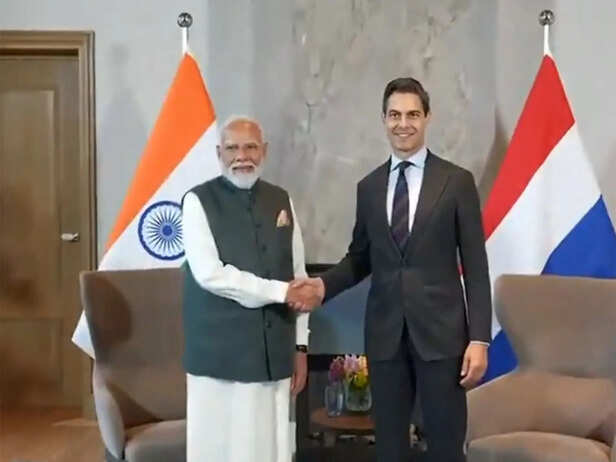
PM Modi-Dutch PM Jetten hold bilateral talks as India, Netherlands exchange several MoUs
The controversy began when a Dutch journalist questioned why there was no joint press interaction during PM Modi’s visit. The conversation soon shifted toward concerns about press freedom and minority rights in India. What seemed like a routine media question quickly became tense. India’s response was immediate and firm. Instead of avoiding the topic, officials directly challenged the assumptions behind the criticism. That sudden shift transformed the interaction into one of the most discussed diplomatic moments from the entire Netherlands visit.
India’s ‘Lack Of Knowledge’ Remark Drew Attention
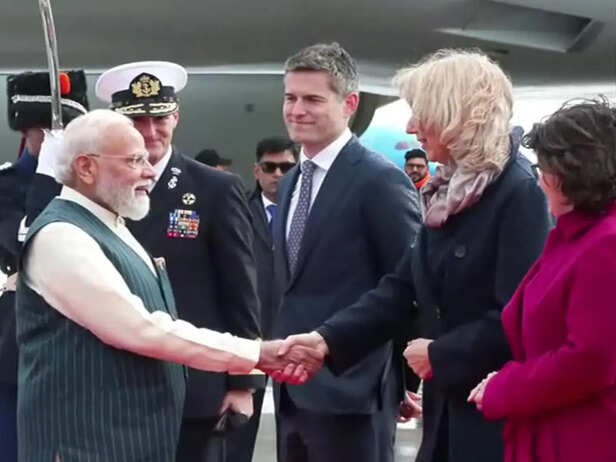
PM Modi lands in Amsterdam for second leg of five-nation tour, to meet Dutch PM Jetten
Sibi George strongly defended India by saying such questions arise because of a “lack of understanding.” His statement immediately grabbed headlines. He explained that India cannot be judged through a narrow political lens because it is a civilisation that is more than 5,000 years old. According to him, India’s complexity, diversity, and democratic culture are often misunderstood abroad. His words were not only a rebuttal to criticism but also an attempt to reshape how the world views India’s social and political identity.
The Religious Diversity Argument Became Central
Elections Became India’s Biggest Defence
The Minority Population Claim Sparked Debate
Why This Diplomatic Moment Matters Globally
Unlock insightful tips and inspiration on personal growth, productivity, and well-being. Stay motivated and updated with the latest at My Life XP.
Frequently Asked Questions (FAQs)
India rejected the remarks because officials believed the criticism about press freedom and minority rights came from a misunderstanding of India’s democracy, diversity, and social structure.
2. What did the Indian diplomat say during the response?
Sibi George said such concerns arise due to a “lack of understanding” about India and highlighted the country’s 5,000-year-old civilisation, democracy, and religious diversity.
3. What concerns were raised by the Dutch side?
According to reports, questions were raised regarding press freedom, minority rights, and the absence of a joint press conference during PM Modi’s Netherlands visit.
4. Did the Dutch Prime Minister officially criticise India?
Reports from Dutch media claimed concerns were discussed regarding media freedom and minority rights in India. However, the exact context of the remarks remains debated.
5. How did India defend its democracy?
India pointed to high voter participation, peaceful elections, and democratic transfers of power as evidence that the country remains a vibrant democracy.