7 Heart Attack Signs Women Should Never Ignore
Noopur Kumari | Aug 31, 2026, 10:19 IST
A heart attack may not always look the way people expect, especially in women. A new definition of myocardial infarction focuses more on its underlying cause, including conditions such as spontaneous coronary artery dissection. Here are seven important things women should know about heart attack symptoms, diagnosis, risks and why recognising warning signs early can make a critical difference.

Heart Attack Signs Women
Image credit : Freepik
For years, many people imagined a heart attack as one unmistakable event: crushing chest pain, a blocked artery and an immediate emergency. But the reality can be far more complicated, particularly for women. Some women experience chest discomfort, while others may notice breathlessness, nausea, unusual tiredness, dizziness or pain in the back, neck or jaw. The medical world has also taken an important step forward. A new 2026 definition of myocardial infarction focuses more closely on why the heart attack happened rather than simply placing it into an old numbered category.
That change matters because understanding the cause can influence how doctors investigate and manage the patient.
![The New Heart Attack Classification Explained]()
The traditional system classified myocardial infarctions into five numbered types. The new 2026 definition groups heart attacks into primary, secondary and procedure-related myocardial infarction, with the aim of better reflecting what is happening inside the patient’s body. A primary heart attack is linked to an acute coronary problem. A secondary heart attack occurs when another condition creates an imbalance between the heart’s oxygen supply and demand. Procedure-related infarction is associated with medical or surgical procedures. This shift puts the cause of the heart attack at the centre of diagnosis rather than relying mainly on a numerical label.
![When a Heart Attack Has No Typical Blockage]()
One of the biggest changes in thinking is recognising that a heart attack does not always come from the classic plaque rupture and artery blockage. Women can experience conditions such as spontaneous coronary artery dissection, or SCAD, coronary artery spasm or a clot that travels from another part of the body. SCAD is particularly important because it is an under-recognised cause of heart attacks in younger women and can occur without the usual profile of severe coronary artery disease. Recent European Society of Cardiology information highlights SCAD as an important cause that doctors need to recognise.
The
The familiar image of someone clutching their chest can make a heart attack easier to recognise, but symptoms can vary. Women may experience chest discomfort, shortness of breath, extreme fatigue, nausea or vomiting, dizziness, or pain affecting the upper back or neck. Some symptoms can even resemble indigestion or a less serious illness. That is why unusual symptoms should not automatically be dismissed. The CDC lists chest discomfort, upper back or neck pain, heartburn, nausea, extreme fatigue, dizziness and shortness of breath among possible heart attack symptoms.
The new classification is important because two people can have elevated cardiac biomarkers for very different reasons. Doctors need to establish whether there is an actual myocardial infarction and, if so, what caused it. The 2026 definition encourages the use of imaging and incorporates sex-specific cardiac troponin thresholds, helping clinicians interpret heart injury more carefully. This does not mean every elevated troponin level is automatically a heart attack. Instead, doctors consider biomarkers alongside symptoms, ECG findings, imaging and the overall clinical picture.
Heart attacks are often associated with older age, but that assumption can become dangerous when it causes symptoms in younger women to be ignored. SCAD is one example of a condition that can cause a heart attack in younger, otherwise healthy women. The European Society of Cardiology describes SCAD as a common yet under-recognised cause of heart attacks in younger women. Other cardiovascular risk factors still matter at every age, including high blood pressure, high cholesterol and smoking. The CDC also identifies high blood pressure as a major heart disease risk factor among women.
A woman does not need to have every classic heart attack symptom before taking the situation seriously. New or unexplained chest discomfort, breathing difficulty, faintness, unusual weakness, nausea or pain involving the back, neck or jaw can require urgent assessment, especially when symptoms are sudden or severe. The most important step is not trying to diagnose the problem at home. A heart attack is a medical emergency, and symptoms should be evaluated promptly by trained healthcare professionals. The CDC specifically advises knowing heart attack symptoms and seeking treatment when they occur.
The most useful lesson may be the simplest one: knowing your cardiovascular risk before an emergency happens. Blood pressure, cholesterol, smoking, diabetes, weight, physical activity and family history can all influence heart disease risk. Women should also discuss relevant health history with their doctors rather than assuming heart disease is mainly a man's problem. In the United States, more than 60 million women, or about 44%, are living with some form of heart disease, according to the CDC.
The new definition of myocardial infarction is more than a change in medical terminology. It reflects a broader effort to understand what actually caused a heart attack and to recognise different pathways to heart injury. For women, that matters because conditions such as SCAD may not fit the traditional picture doctors and patients have long associated with heart attacks.
The most important takeaway is simple: do not wait for a heart attack to look exactly like the one you have seen in movies or heard about from someone else. If symptoms are sudden, unusual or concerning, seek urgent medical care.
Experiencing frequent stress, fatigue, or health challenges? Your name energy may be worth exploring. Check it here.
Unlock insightful tips and inspiration on personal growth, productivity, and well-being. Stay motivated and updated with the latest at My Life XP
That change matters because understanding the cause can influence how doctors investigate and manage the patient.
The Old Heart Attack Labels Are Changing
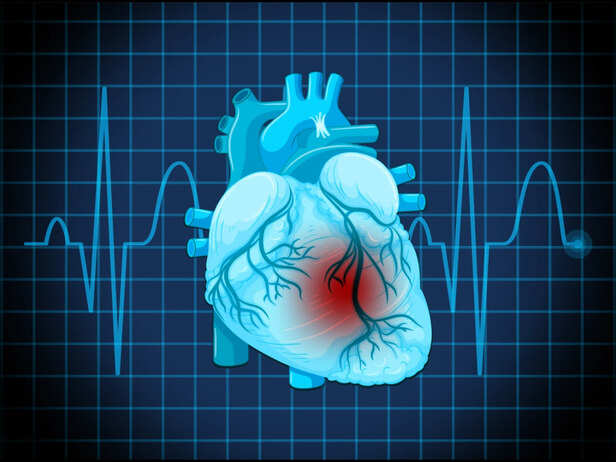
The New Heart Attack Classification Explained
Image credit : Freepik
The traditional system classified myocardial infarctions into five numbered types. The new 2026 definition groups heart attacks into primary, secondary and procedure-related myocardial infarction, with the aim of better reflecting what is happening inside the patient’s body. A primary heart attack is linked to an acute coronary problem. A secondary heart attack occurs when another condition creates an imbalance between the heart’s oxygen supply and demand. Procedure-related infarction is associated with medical or surgical procedures. This shift puts the cause of the heart attack at the centre of diagnosis rather than relying mainly on a numerical label.
A Blocked Artery Is Not the Only Cause
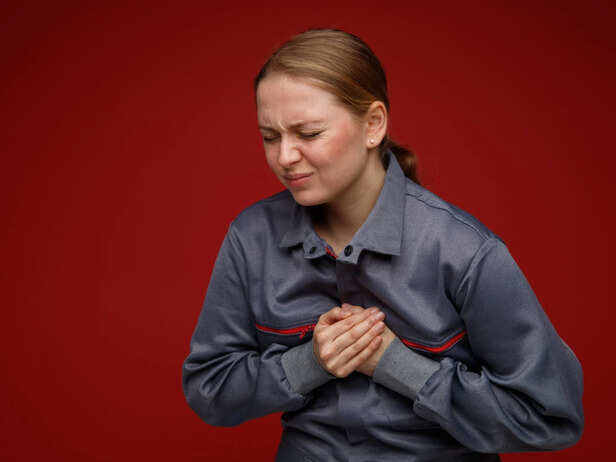
When a Heart Attack Has No Typical Blockage
Image credit : Freepik
One of the biggest changes in thinking is recognising that a heart attack does not always come from the classic plaque rupture and artery blockage. Women can experience conditions such as spontaneous coronary artery dissection, or SCAD, coronary artery spasm or a clot that travels from another part of the body. SCAD is particularly important because it is an under-recognised cause of heart attacks in younger women and can occur without the usual profile of severe coronary artery disease. Recent European Society of Cardiology information highlights SCAD as an important cause that doctors need to recognise.
The Symptoms May Not Look Dramatic
The New Definition Looks Beyond the Number
Women Should Not Assume They Are Too Young
Waiting For “Classic” Symptoms Can Be A Mistake
Knowing Your Risk Could Change The Story
The Bigger Message For Women
The most important takeaway is simple: do not wait for a heart attack to look exactly like the one you have seen in movies or heard about from someone else. If symptoms are sudden, unusual or concerning, seek urgent medical care.
Experiencing frequent stress, fatigue, or health challenges? Your name energy may be worth exploring. Check it here.
Unlock insightful tips and inspiration on personal growth, productivity, and well-being. Stay motivated and updated with the latest at My Life XP