Why Hanuman Ji Is Called ‘Balbeera’: The Real Meaning
Noopur Kumari | Aug 31, 2026, 07:00 IST
This chaupai highlights the power of sincerely remembering Hanuman Ji. It does not reject worship of other deities, but presents Hanuman Ji as a divine form representing immense strength and blessings. “Balbeera” reflects his courage and power. The verse teaches that when fear, संकट or पीड़ा feels overwhelming, faith can provide inner strength.

Hanuman Chalisa
Image credit : ChatGPT(ai)
What if one chaupai of the Hanuman Chalisa carries a deeper message than simply asking Hanuman Ji to remove our troubles? The lines “Sankat Kate Mite Sab Peera, Jo Sumire Hanumat Balbeera” are often recited with devotion, but their deeper meaning reveals why Hanuman Ji is remembered as a powerful source of courage, strength and protection. Goswami Tulsidas Ji’s words point towards something much deeper about faith and remembrance. Once you understand this meaning, you may never recite these lines in quite the same way again.
![Hanuman Ji in a Divine and Peaceful Form]()
The chaupai “Sankat Kate Mite Sab Peera, Jo Sumire Hanumat Balbeera” is among the most powerful lines associated with Hanuman Chalisa. At first, its meaning appears simple: remembering Hanuman Ji helps remove संकट and पीड़ा. But the thought behind these words goes deeper. Tulsidas Ji connects remembrance with strength, suggesting that devotion can transform the way a person faces difficult situations. The chaupai does not merely speak about problems disappearing. It also reminds devotees of the courage required to move through difficult moments with faith and determination.
![Truth Behind Worshipping Hanuman Ji]()
This is where many readers can misunderstand the verse. The idea is not that devotees should stop worshipping other gods and goddesses. Rather, Hanuman Ji is traditionally understood as a divine form carrying immense spiritual power and blessings. His devotion to Lord Rama also represents complete surrender to the divine. Therefore, remembering Hanuman Ji can be understood as focusing the mind on a powerful symbol of devotion, courage and divine protection. The message is less about choosing one deity over another and more about recognising the spiritual strength represented through Hanuman Ji.
The word “Sumire” is especially important in this chaupai. It means remembering, recalling or keeping Hanuman Ji in one’s thoughts. This is more than simply repeating words mechanically. True remembrance involves attention, faith and an emotional connection. When someone feels anxious or helpless, focusing the mind through prayer or chanting can create a sense of stability. That is why Hanuman Ji’s remembrance has remained meaningful for generations of devotees. The chaupai suggests that devotion can become an inner source of courage when life feels uncertain or overwhelming.
The phrase “Sankat Kate” means that troubles or difficulties are removed. But this does not have to be understood only as a promise that every external problem will magically disappear. There is another powerful way to understand it. When fear becomes smaller, the mind becomes stronger, and a person can face challenges with greater clarity. Hanuman Ji’s character itself reflects this quality. Whether facing powerful enemies or impossible situations, he remains courageous and focused. The chaupai therefore inspires devotees to seek not only relief from संकट but also the strength to confront it.
The words “Mite Sab Peera” refer to the removal of pain and suffering. Everyone experiences a different kind of पीड़ा. It may come from fear, disappointment, uncertainty, loneliness or difficult circumstances. The verse offers a deeply comforting thought: you do not have to face every difficult moment without inner support. For devotees, remembering Hanuman Ji can create a feeling of courage and emotional strength. The spiritual message is therefore beautifully simple. When the heart feels burdened, turning towards faith can help a person find the strength needed to continue moving forward.
The final words “Hanumat Balbeera” reveal why Hanuman Ji is described with such powerful imagery. “Bal” points towards strength, while “Veer” refers to a brave or heroic person. Together, the expression highlights Hanuman Ji as a figure of immense power and courage. His strength, however, is never shown as arrogance. It is guided by devotion and service to Lord Rama. That combination makes his character especially inspiring. Hanuman Ji represents the idea that real strength is not simply physical power. It is the courage to stand firm, serve others and remain devoted even when circumstances become difficult.
The deeper lesson of this chaupai can still speak to modern life. We may not face the same battles described in ancient stories, but we all encounter fear, pressure, setbacks and uncertainty. Remembering Hanuman Ji can become a simple spiritual practice that brings the mind back to courage and faith. Chant the chaupai slowly, understand its meaning and allow its words to settle in your mind. The real power lies not only in saying the words but in living their message. When संकट arrives, remember “Balbeera” and remind yourself that courage can be stronger than fear.
Unlock insightful tips and inspiration on personal growth, productivity, and well-being. Stay motivated and updated with the latest at My Life XP.
The Chaupai Holds a Deeper Message
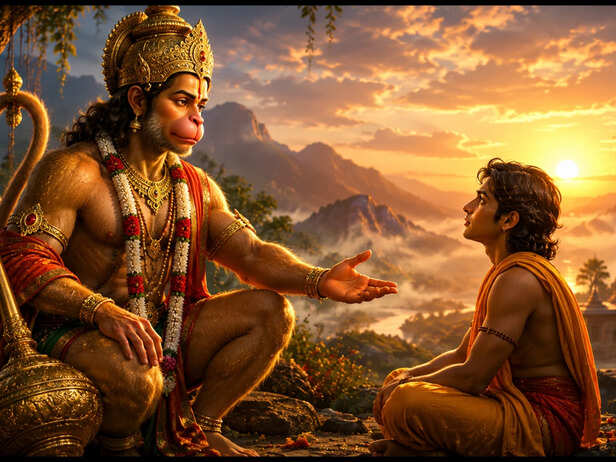
Hanuman Ji in a Divine and Peaceful Form
Image credit : chatgpt(ai)
The chaupai “Sankat Kate Mite Sab Peera, Jo Sumire Hanumat Balbeera” is among the most powerful lines associated with Hanuman Chalisa. At first, its meaning appears simple: remembering Hanuman Ji helps remove संकट and पीड़ा. But the thought behind these words goes deeper. Tulsidas Ji connects remembrance with strength, suggesting that devotion can transform the way a person faces difficult situations. The chaupai does not merely speak about problems disappearing. It also reminds devotees of the courage required to move through difficult moments with faith and determination.
Does This Mean Other Gods Are Not Needed?
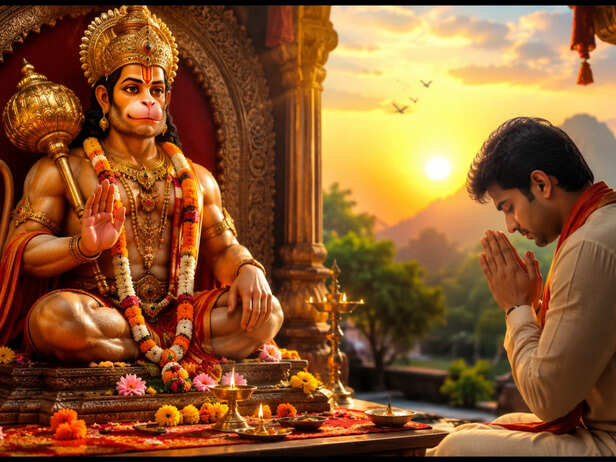
Truth Behind Worshipping Hanuman Ji
Image credit : chatgpt(ai)
This is where many readers can misunderstand the verse. The idea is not that devotees should stop worshipping other gods and goddesses. Rather, Hanuman Ji is traditionally understood as a divine form carrying immense spiritual power and blessings. His devotion to Lord Rama also represents complete surrender to the divine. Therefore, remembering Hanuman Ji can be understood as focusing the mind on a powerful symbol of devotion, courage and divine protection. The message is less about choosing one deity over another and more about recognising the spiritual strength represented through Hanuman Ji.
Why Remembrance Matters So Much
The Promise of “Sankat Kate”
What Does “Mite Sab Peera” Really Mean?
Why Tulsidas Ji Calls Him “Balbeera”
The Chaupai’s Message for Today
Unlock insightful tips and inspiration on personal growth, productivity, and well-being. Stay motivated and updated with the latest at My Life XP.