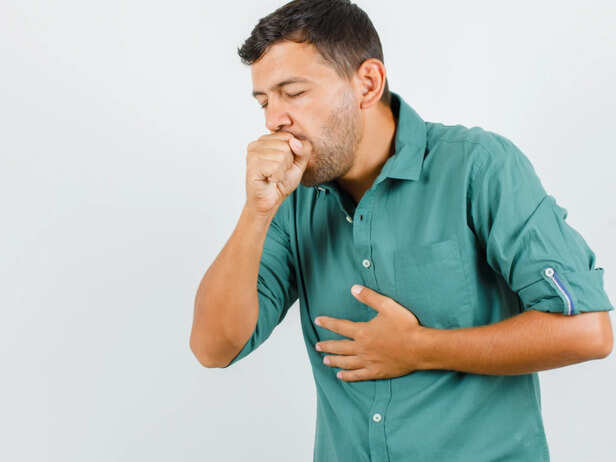
Many people associate COPD with persistent coughing, wheezing and breathlessness. However, changes in lung health can develop much earlier, sometimes before noticeable breathing difficulties appear.COPD is a chronic respiratory condition that restricts airflow and makes it difficult to breathe. It commonly includes conditions such as emphysema and chronic bronchitis.
COPD May Begin Before Breathing Problems Become Severe
According to the World Health Organization (WHO), COPD caused approximately 3.4 million deaths worldwide in 2023, making it the third leading cause of death globally.One of the major challenges is that people may ignore early respiratory symptoms or mistake them for ageing, seasonal allergies or repeated chest infections.Medical experts are increasingly focusing on identifying people who have early lung abnormalities but do not yet meet the standard criteria for COPD. Recognising these changes can help doctors monitor lung function, identify risk factors and provide appropriate care before the condition progresses.
What Are Pre-COPD Conditions?
Pre-COPD is a medical term used for people who have certain symptoms, structural lung changes or abnormalities in lung function but do not yet meet the diagnostic criteria for COPD.These individuals may have a history of smoking, exposure to air pollution, household cooking smoke or workplace dust and chemicals.Importantly, having pre-COPD does not mean a person will definitely develop COPD. Some people may experience stable lung function, while others may develop airflow obstruction over time.Doctors are particularly interested in identifying these early changes because they provide an opportunity to monitor respiratory health and address avoidable risk factors.
5 Early Lung Changes That May Indicate a Higher Risk of COPD
1. Persistent Cough and Mucus Production
A cough that continues for weeks or keeps returning should not always be dismissed as a seasonal problem.People exposed to cigarette smoke, indoor cooking fumes or workplace pollutants may develop persistent coughing and mucus production.These symptoms can indicate irritation and inflammation in the airways. Although they do not automatically mean someone has COPD, they deserve medical attention, particularly when accompanied by a history of long-term exposure to lung irritants.
2. Reduced Lung Function Even Before COPD Develops
Some people have abnormal lung-function test results even when they do not meet the diagnostic criteria for COPD.One recognised pattern is called Preserved Ratio Impaired Spirometry (PRISm).In this condition, the ratio of air exhaled in the first second to the total amount exhaled remains relatively preserved, but the amount of air a person can forcefully breathe out in the first second is lower than expected.PRISm can indicate impaired lung function and may be associated with an increased risk of developing airflow obstruction.However, it does not always progress to COPD. Some individuals may return to normal lung-function readings, while others may continue to have abnormalities.
3. Structural Changes Visible on Lung Scans
Sometimes, changes in the lungs can be identified through imaging even before conventional breathing tests confirm COPD.For example, a CT scan may reveal:
- Early signs of emphysema, involving damage to the tiny air sacs in the lungs.
- Thickening of airway walls.
- Other structural abnormalities that may affect breathing.
These findings can help doctors understand what is happening inside the lungs, particularly in people with a history of smoking or long-term exposure to pollutants.However, a CT scan is not required for everyone. Doctors decide whether imaging is necessary based on symptoms, medical history and other test results.
4. Breathlessness During Everyday Activities
Feeling unusually breathless while climbing stairs, walking short distances or performing routine household activities can be an early warning sign of respiratory problems.People sometimes attribute this to poor fitness, weight gain or ageing.However, persistent or worsening breathlessness should be evaluated, especially when accompanied by coughing, wheezing or a history of smoking.Although breathlessness has several possible causes, identifying the underlying reason early can help prevent delays in appropriate treatment.
5. Faster-Than-Expected Decline in Lung Function
Lung function naturally changes with age. However, some individuals experience a faster decline than expected.Repeated lung-function assessments can help doctors identify this pattern, particularly in people who smoke or have prolonged exposure to environmental pollutants.A rapid decline may suggest ongoing damage or an increased risk of developing chronic respiratory disease.Monitoring these changes can help doctors decide whether further investigations or closer follow-up are necessary.
Who Is at a Higher Risk of Developing COPD?
Smoking is one of the most recognised risk factors for COPD, but it is not the only cause.Several other exposures and health conditions can contribute to long-term lung damage.People who should pay particular attention to their respiratory health include:
- Current and former smokers: Long-term exposure to cigarette smoke can damage airways and lung tissue.
- People exposed to household smoke: Regular inhalation of smoke from wood, coal, crop residue and other biomass fuels can increase respiratory risks.
- People working in dusty environments: Construction workers, factory employees, miners and people exposed to chemical fumes may face occupational risks.
- People living with prolonged air pollution exposure: Poor outdoor air quality can contribute to respiratory problems.
- People with a history of childhood respiratory problems: Premature birth and repeated severe respiratory infections during childhood may affect lung development.
- People with certain genetic conditions: Alpha-1 antitrypsin deficiency is an inherited condition that can increase the risk of developing COPD, sometimes at a younger age.
These risk factors do not mean someone will necessarily develop COPD, but they make it important to discuss persistent respiratory symptoms with a healthcare professional.
How Can Doctors Identify Early Lung Problems?
![Lungs Show Warning Signs ]()
Lungs Show Warning Signs
Doctors generally begin by understanding a person's medical history, symptoms and exposure to potential lung irritants.One of the most important investigations is
spirometry, a lung-function test that measures how much air a person can breathe out and how quickly they can do so.During the test, the patient takes a deep breath and blows forcefully into a device called a spirometer.Spirometry helps doctors assess airflow obstruction. A post-bronchodilator FEV1/FVC ratio below 0.70, in the appropriate clinical context, confirms airflow obstruction consistent with COPD.
Other investigations may include:
- Chest imaging, including CT scans when clinically indicated.
- Additional lung-function tests to assess gas exchange.
- Tests for specific genetic conditions when suspected.
- Follow-up assessments to monitor changes in lung function.
Not everyone needs all these investigations. Doctors select tests according to individual symptoms and risk factors.
Can Early Intervention Prevent COPD?
Recognising early lung abnormalities creates an opportunity to address factors that may contribute to further damage.Although there is currently no proven medication that reliably prevents every case of pre-COPD from progressing, certain measures can help protect lung health.
1. Stop smoking: Quitting smoking is one of the most important steps to reduce further lung damage. Even people who have smoked for many years can benefit from stopping.
2. Reduce exposure to air pollution: Avoiding smoke, improving indoor ventilation and using cleaner cooking fuels can reduce exposure to harmful particles.
3. Follow workplace safety measures: People working around dust, chemicals and fumes should use appropriate protective equipment and follow occupational safety guidelines.
4. Manage existing respiratory conditions: Conditions such as asthma and recurrent respiratory infections should be evaluated and managed appropriately.
5. Maintain regular medical follow-up: People with persistent symptoms or identified lung abnormalities may need repeat lung-function tests to monitor changes over time.
These measures cannot guarantee that COPD will be prevented, but reducing harmful exposures and addressing respiratory problems early can make an important difference.
Why Early Attention to Lung Health Matters
COPD does not always begin with severe breathing difficulties. In some people, changes in lung structure and function may appear long before a formal diagnosis.Recognising these abnormalities can help doctors identify people who need closer monitoring and timely intervention.For individuals with a history of smoking, prolonged pollution exposure or repeated respiratory symptoms, paying attention to changes in breathing is particularly important.The goal is not to assume that every early lung abnormality will become COPD, but to identify potential risks before they lead to greater health problems.
Protecting lung health begins with recognising the warning signs, reducing harmful exposures and seeking medical advice when breathing problems persist.Experiencing frequent stress, fatigue, or health challenges? Your name energy may be worth exploring. Check it here.Unlock insightful tips and inspiration on personal growth, productivity, and well-being. Stay motivated and updated with the latest at
My Life XP.